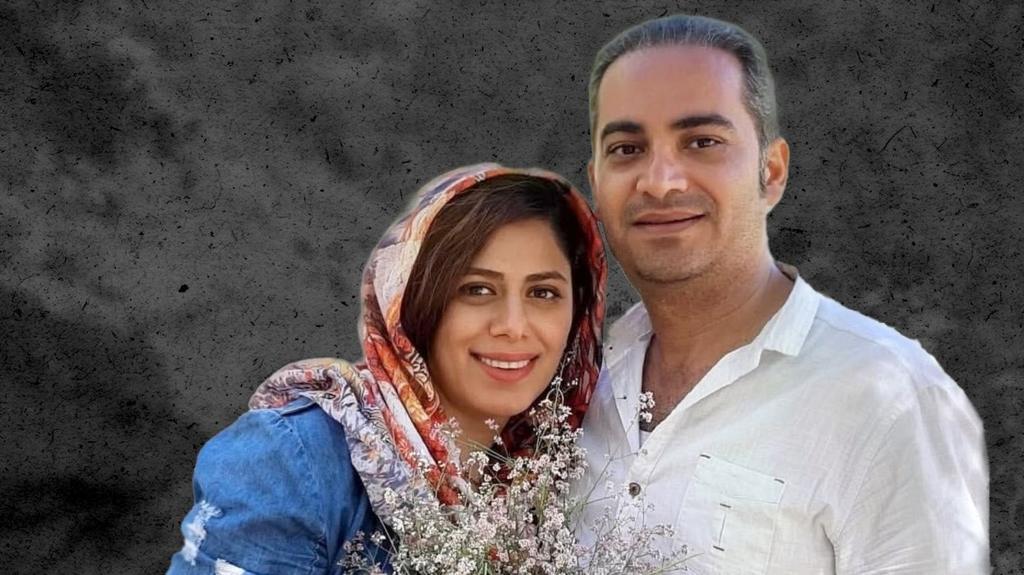
In an unprecedented journalistic investigation, BBC's Persian service has succeeded in identifying and documenting the names and faces of thousands of individuals killed during the violent crackdown on protests that shook Iran. This monumental verification effort, which required months of research and cross-referencing of sources, sheds light on the human scale of a crisis that the Iranian government has systematically attempted to obscure. Titled "Those Who Did Not Return," the project constitutes the most exhaustive and detailed tally of fatalities to date, challenging official figures and giving voice to silenced families.
The protests, triggered in September 2022 following the death in custody of Mahsa Amini, a young Kurdish woman detained by the so-called "morality police," rapidly spread across the country, evolving into a broad movement questioning the authority of the Islamic Republic. The response from security forces was immediate and brutal, employing live ammunition, tear gas, and mass arrests. While Iranian authorities offered significantly lower death tolls and attributed fatalities to "agitators" and "terrorists," human rights organizations and independent media denounced a massacre. The BBC Persian investigation now fills the void of verified information, compiling data from medical sources, human rights lawyers, local activists, and, crucially, the direct testimonies of the victims' families.
The investigation team managed to confirm the identity of at least 3,000 deceased individuals, including women, men, and adolescents from all provinces of the country. The data reveals alarming patterns: a significant proportion of the victims were shot in the head, chest, or heart, suggesting lethal intent on the part of security agents. Among the deceased are at least 120 children under the age of 18. The province of Sistan and Baluchestan, home to the Sunni Baluch minority, recorded one of the highest per capita mortality rates, indicating a particularly disproportionate repression in regions with ethnic minorities. "Every name on this list is a story of a life cut short, a family shattered," stated one of the project's lead journalists, who requested anonymity for security reasons. "Our goal is not just to count numbers, but to restore the dignity and memory of those they tried to erase."
The impact of this revelation is profound on multiple levels. Firstly, it provides the victims' families and the Iranian diaspora with an irrefutable historical document that contradicts the state narrative. Secondly, it strengthens calls from the international community to establish accountability mechanisms, possibly before the International Criminal Court, for crimes against humanity. Organizations such as Amnesty International and the UN Mission to Investigate the Protests in Iran have described the report as "instrumental and devastating." Finally, the project sets a new standard for investigative journalism in contexts of extreme censorship, demonstrating that, despite internet blackouts, threats, and persecution, the truth can emerge through meticulous and collaborative work.
The conclusion is clear: the crackdown in Iran was massive, systematic, and lethal. The BBC Persian investigation not only quantifies the human cost of a regime determined to quell dissent at any price but also archives for history the names of those who paid the ultimate price for demanding freedom and dignity. This archive of memory stands as a digital monument against oblivion and a powerful resource for future justice, reminding the world that behind every statistic there is a face, a name, and a life that deserves to be remembered.