In an unexpected twist in political and corporate communication strategies, several candidates for public office and business leaders are submitting their narratives and speeches to a panel of critics considered the most honest and direct: children. This methodology, which transcends traditional adult focus groups, aims to validate the clarity, authenticity, and emotional resonance of a message before its mass release. The premise is simple yet powerful: if a child can understand and connect with a story, the message is likely to be universally effective. This approach is revealing fundamental flaws in speeches carefully crafted by teams of advisors, forcing candidates to simplify their language, prioritize emotion over cold data, and ultimately, humanize their communication.
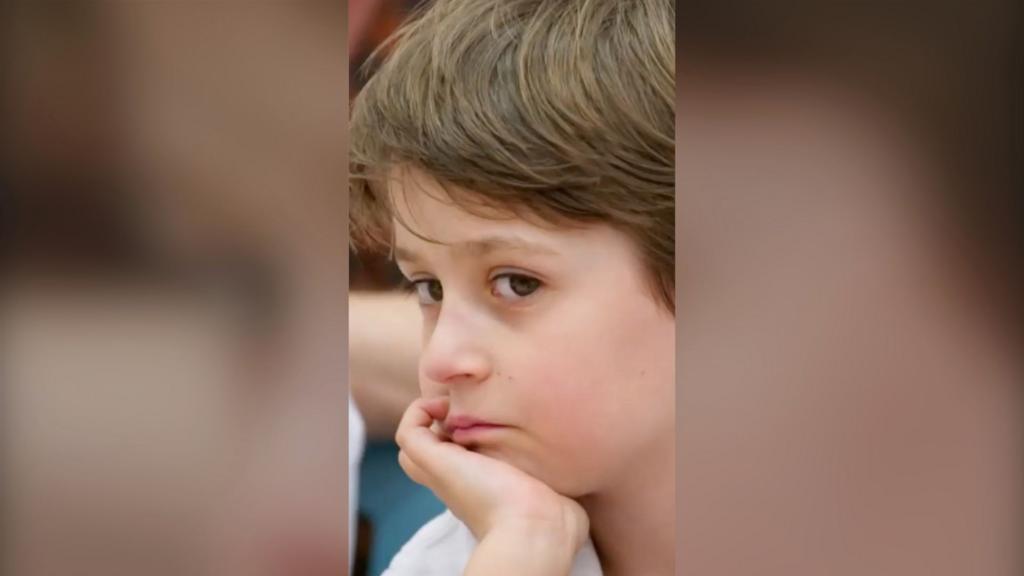
The context for this trend emerges in a saturated media landscape, where the average citizen is overloaded with information and has developed acute skepticism towards traditional political language. Campaigns, in their quest to break through the noise and forge a genuine connection, have turned to unconventional methods. Specialized consulting firms now offer "testing with child audiences" services, bringing together groups of children aged 8 to 12 to listen to preliminary versions of speeches, campaign slogans, or brand narratives. Facilitators observe reactions in real-time: body language, attention span, spontaneous questions, and unfiltered comments. Relevant data from an internal study cited by one such firm indicates that approximately 70% of messages adults rate as "persuasive" are dismissed by children as "boring," "confusing," or "not believable."
Statements from those involved are revealing. "It was humbling," admitted a mayoral candidate who preferred to remain anonymous. "I explained my infrastructure plan with charts and data points, and a ten-year-old looked at me and said, 'Does that mean the park near my house won't flood when it rains?'. I realized I had completely missed the human point of politics." Meanwhile, communication consultant Maria López explained, "Children don't have the social filter of adults. They don't care about hurting susceptibilities. If something doesn't make sense, they say so. If a promise sounds false, they point it out. It's the best 'fluff' detection system that exists."
The impact of this practice is multifaceted. First, it is driving a tangible shift in rhetorical style, favoring personal stories, simple analogies, and a more conversational tone. Second, it is generating an ethical debate: is it appropriate to use children as testing instruments for political messages, potentially exposing them to complex content? Proponents argue it is about assessing communicative clarity, not influencing the opinions of minors. Finally, the phenomenon highlights a deeper crisis of trust: the need to validate authenticity with the purest critics suggests a vast gap between the language of elites and the everyday concerns of ordinary people.
In conclusion, the adoption of children as final critics underscores a desperate search for authenticity in a political and commercial world perceived as artificial. This method, more than a mere campaign tactic, acts as a brutal mirror reflecting the disconnect of conventional public discourse. If the ultimate test for an important message is its ability to resonate with the inquisitive mind and sincere heart of a child, then the future of communication may depend on our ability to recover the simplicity, honesty, and human narrative that, apparently, only the young are capable of demanding without compromise.