The world of English football is immersed in an unprecedented whirlwind of change. Chelsea Football Club, one of the Premier League giants, has officially begun the search for a new head coach for the 2024-25 season, following the mutual agreement to part ways with Mauricio Pochettino. This move comes against the backdrop of a historically volatile season, where England's top football division has set a new and somber record: the highest number of managerial sackings in a single campaign. The figure has surpassed a dozen, reflecting a culture of impatience and short-termism that appears to have taken hold in the offices of club owners.
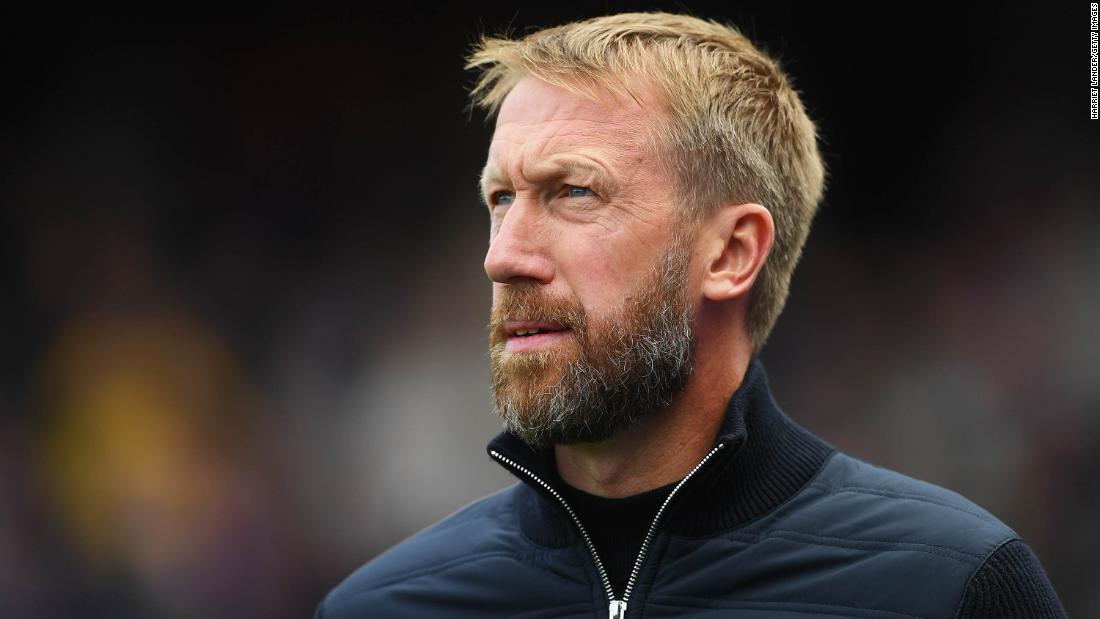
Chelsea's case is particularly illustrative of the frenetic cycle. Just six months ago, Graham Potter was unveiled as the architect of a new era, the man tasked with implementing a long-term football project under the new ownership consortium led by Todd Boehly. However, his tenure at Stamford Bridge was brief and tumultuous, ending in April 2023. His successor, Frank Lampard, took over on an interim basis before the club appointed Mauricio Pochettino in the summer of 2023. Now, after just one season of mixed results, the club and the Argentine manager have decided to go their separate ways, leaving the team at a crossroads once again. This constant churn in the dugout contrasts with the stability that has historically characterized the most successful clubs and raises serious questions about the sporting strategy of the new ownership regime in London.
The context for this search is a Premier League that has seen over a dozen managers fall throughout the 2023-24 season. Clubs like Tottenham Hotspur, Wolverhampton Wanderers, Leeds United, Everton, Southampton, and Leicester City, among others, have made the decision to change managers mid-campaign, seeking a spark to reverse their fortunes. This phenomenon is not entirely new, but the scale this year is extraordinary. Sports analysts point to the immense financial pressure derived from staying in the Premier League, where television rights revenues are astronomical, as well as the growing expectations of owners, fans, and investors. Patience has become a luxury that very few executives are willing to afford.
In statements to specialized media, several experts have commented on the situation. "The Premier League has become a league of immediate results. The long-term project is a nice phrase in the presentation, but it rarely survives three bad results in a row," said Gary Neville, former Manchester United captain and now a pundit. Meanwhile, the sporting director of a mid-table club, who preferred to remain anonymous, stated: "The fear of relegation is paralyzing. When you see yourself approaching the relegation zone, panic takes over the board, and the manager is usually the scapegoat. It's a vicious cycle."
The impact of this chronic instability is multifaceted. For clubs, it means costly severance payments and the constant need to reboot sporting projects, making it difficult to consolidate a style of play or an academy philosophy. For players, constant managerial turnover can generate instability and a lack of clear direction. And for the managers themselves, the Premier League is increasingly perceived as a minefield where a bad run of form can cost them their job in a matter of weeks, despite many of them signing multi-year contracts. This culture also discourages betting on young managers who need time to develop their ideas, favoring instead experienced names and "firefighters."
The conclusion is clear: the record sackings in the Premier League are a symptom of a larger disease in modern football. Chelsea's search for its fourth permanent manager in just over two years under Boehly's ownership is not an anomaly but the extreme manifestation of a widespread trend. As long as revenues continue to grow and the stakes remain so high, impatience is likely to continue reigning. Stability, that fundamental pillar of sustained sporting success exhibited by clubs like Sir Alex Ferguson's Manchester United or Arsène Wenger's Arsenal, seems a concept on the brink of extinction in the hyper-competitive and financialized Premier League of the 21st century. Chelsea's next manager, whoever it may be, will know they are stepping onto ground where the margin for error is minimal and the clock is already ticking.