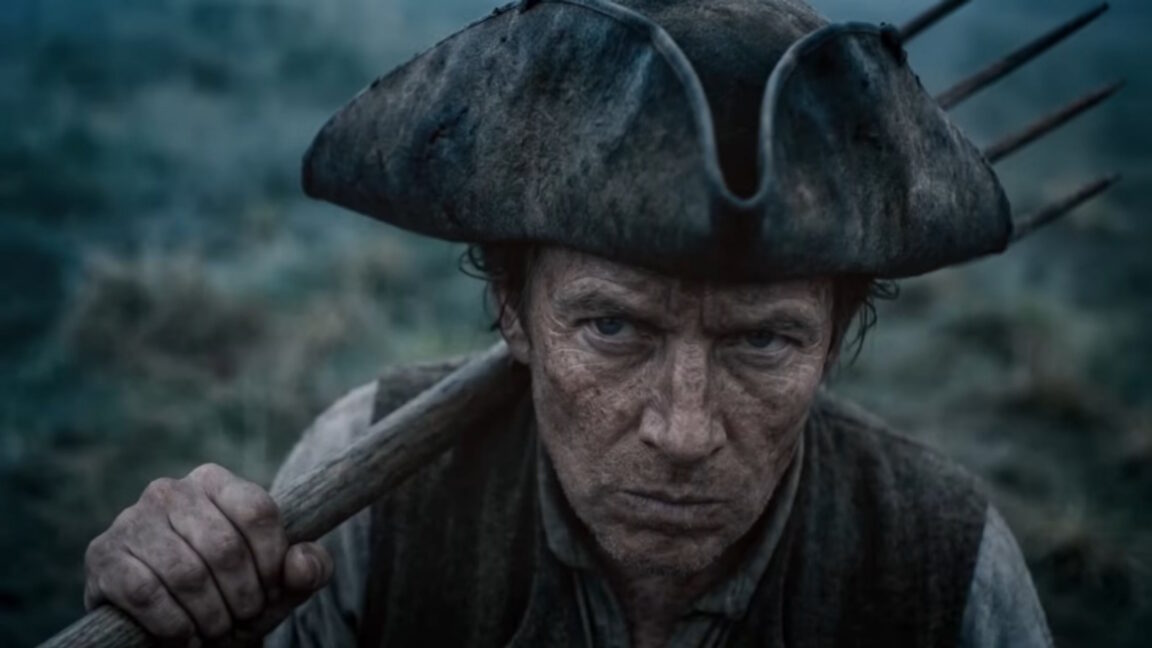
Acclaimed director Darren Aronofsky, known for intense and visually daring films like "Requiem for a Dream" and "The Fountain," has stunned the industry by embarking on a historical docudrama project that uses generative artificial intelligence to recreate scenes and figures from the past. According to sources close to the production, the process is meticulous and slow, taking "weeks" to produce just minutes of usable video footage. This artistic decision places Aronofsky at the heart of the debate on the ethical and creative use of AI in filmmaking, a field torn between fascination with new tools and fear of the dehumanization of art.
The project, still untitled, focuses on a specific historical period that producers are keeping under wraps. The choice to use AI is not about cost savings, they insist, but a quest for authenticity and narrative possibilities unattainable with traditional methods. "The idea is to transcend the limitations of existing film archives and recreation with actors," explained a production source on condition of anonymity. "For certain events where no footage exists, or where physical representation always carries a degree of interpretation and anachronism, AI offers a path to visualize the past in a way that can feel more organic and less mediated by the aesthetics of a later filmmaking era."
The technical process, however, is enormously complex. It is not simply a matter of typing a prompt into a video generator. Teams of historians, screenwriters, and prompt artists work together to define each scene in extreme detail: setting, costumes, facial expressions, lighting, and movement. The algorithms then generate thousands of iterations, of which only a tiny fraction meet the historical and artistic standards demanded by Aronofsky and his team. This "curation" phase is what consumes weeks of work for a few minutes of final footage. The director is personally involved in this selection, applying his renowned critical eye to a stream of machine-generated content.
Reaction within the industry is polarized. Some documentary pioneers see enormous potential. "It's a tool like computer animation or digital effects were. It allows you to tell stories that would otherwise be impossible," commented an Oscar-winning documentary filmmaker. On the other hand, critics and purists warn of the dangers. "We are legitimizing the creation of a 'synthetic history.' Who guarantees the veracity of what the AI shows? Its sources are internet data, full of biases and errors," argued a film historian. Furthermore, questions arise about the impact on jobs such as historical reenactors, extras, and even character actors.
The impact of this project, regardless of its final reception, will be significant. If Aronofsky achieves a convincing and artistically valid result, it could open the floodgates to a new documentary subgenre, unleashing a race to master these tools. Production companies and streaming networks, always eager for innovative content, are watching very closely. However, it will also force an urgent conversation about ethical and verification frameworks. Should such documentaries carry an "AI-generated content" label? How is the process audited to prevent the propagation of anachronisms or historical falsehoods?
In conclusion, Darren Aronofsky's bet on AI for a historical docudrama is much more than a technological anecdote. It is a bold experiment at the very frontier of non-fiction storytelling, challenging our notions of authenticity, authorship, and the representation of the past. The lengthy production time, far from being a mere curiosity, underscores the complexity of directing artificial creativity toward rigorous narrative ends. The success or failure of this film will be measured not only in box office returns or awards but in its ability to define whether artificial intelligence will be remembered as a new lens through which to observe history or as a dangerous eraser of reality.