In a political shift marking the end of a progressive era in Northern Europe, Finland's Prime Minister Sanna Marin conceded defeat on Sunday as her Social Democratic Party lost the country's parliamentary election. The nail-bitingly close results delivered a clear victory to the opposition center-right National Coalition Party (NCP), led by Petteri Orpo, who is now poised to form the next government. The election, held against a backdrop of economic anxiety, national security following the NATO membership bid, and the future of the Finnish welfare state, became a referendum on the leadership of Marin, one of the continent's youngest and most charismatic political figures.
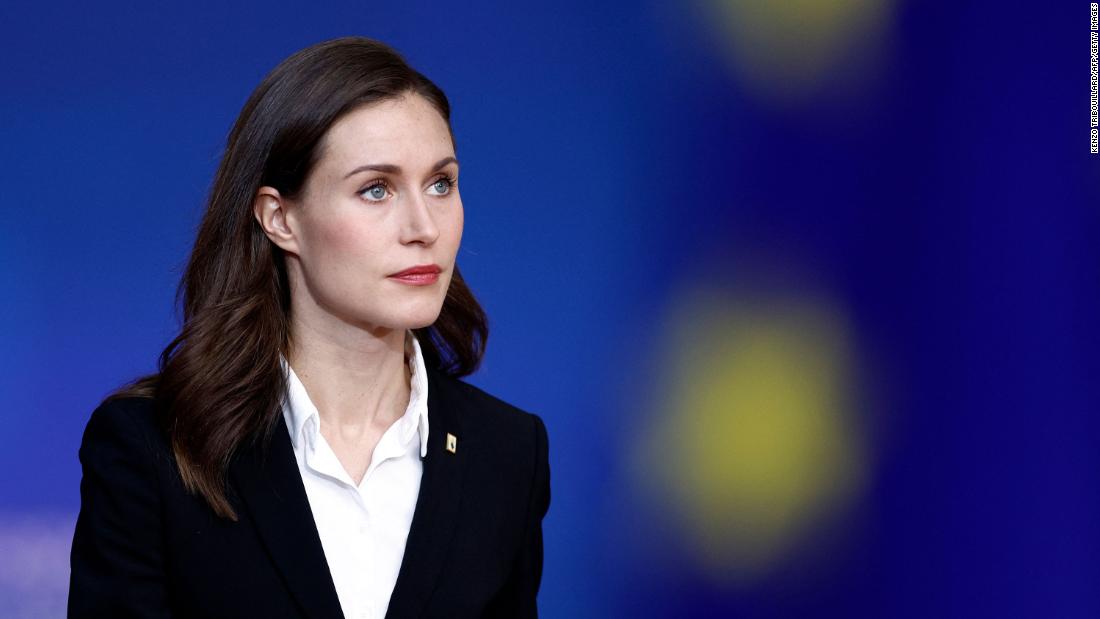
The final count showed the National Coalition Party with 20.8% of the votes, followed very closely by the right-wing populist Finns Party with 20.1%. Marin's Social Democrats came in third with 19.9%, a razor-thin margin but enough to alter the political landscape. Addressing her supporters in Tampere, the 37-year-old Marin showed sportsmanship and accepted the voters' verdict. "The Finnish people have voted, and the National Coalition Party is the winner. I congratulate the National Coalition Party on their victory and I congratulate their leader, Petteri Orpo. The Social Democrats have gained support, we have gained more seats than before, but we were not the largest party," she stated, highlighting her government's achievements during the turbulent years of the pandemic and the war in Ukraine.
The context of this election cannot be overstated. Finland, which has traditionally maintained a neutral foreign policy, applied for NATO membership in May 2022—a historic move driven by Russia's invasion of Ukraine and backed by a vast parliamentary majority that included Marin's government. This process, now in its final stages of ratification, has redefined Finnish national security. However, on the campaign trail, the domestic economy emerged as the top concern for voters. Inflation, energy costs, rising public debt, and debates over the future funding of the generous Nordic welfare state dominated the discourse. Orpo's NCP campaigned on a platform of spending cuts and economic reforms to balance public finances, a message that resonated with a cautious electorate.
Marin's defeat concludes a four-year tenure that catapulted her to international fame. Assuming office in 2019 at age 34, she became the world's youngest sitting head of government at the time. Her leadership during the COVID-19 pandemic was widely praised for its clarity and science-based approach. Subsequently, her staunch support for Ukraine and her crucial role in the decision to seek NATO membership cemented her image as a decisive leader on the global stage. Domestically, however, she faced criticism from the opposition over public spending and, more recently, controversy over her private life following leaked videos from a private party last summer, though an official investigation cleared her of any wrongdoing.
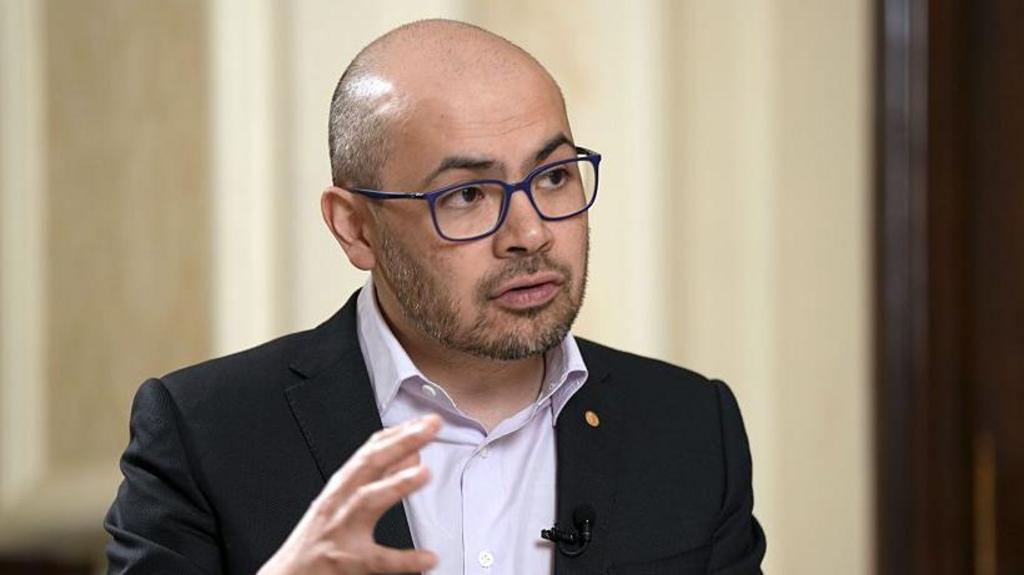
The immediate political impact is that Petteri Orpo, a seasoned 53-year-old politician, will begin complex negotiations to form a coalition government. The landscape is intricate: while the NCP is the top-voted party, it will need allies to secure a majority in the Eduskunta, the Finnish parliament. Options include a right-wing coalition with the Finns Party and possibly other smaller groups, or a broader, more centrist coalition that could even include the Social Democrats, though the latter is considered less likely. Finnish politics is characterized by broad, consensus-based coalition governments, meaning negotiations could stretch for several weeks. Future policy towards Russia, the implementation of NATO membership, and economic reforms will be the cornerstones of the talks.
In conclusion, the 2023 Finnish election represents a significant, albeit moderate, shift in the country's course. It was not a crushing defeat for Sanna Marin and the Social Democrats, who actually slightly increased their representation, but it was a clear signal that voters prioritized conservative economic stewardship in a time of global uncertainty. Marin's legacy, however, remains intact in the realm of foreign and security policy, where her leadership left an indelible mark by guiding Finland into NATO. The country now prepares for a new chapter under a likely center-right government, which will need to navigate the challenges of integrating into the Atlantic Alliance while maintaining the social cohesion and economic robustness that define this Nordic nation.