The escalating tensions in the Middle East, with the potential for open conflict between Iran and a coalition of Western and regional powers, is not an isolated event. Its shockwaves have the potential to impact the daily lives of citizens worldwide, from gasoline prices to job security. This analysis, backed by data and expert projections, breaks down five main channels through which a large-scale war could reverberate across the global economy and personal security.
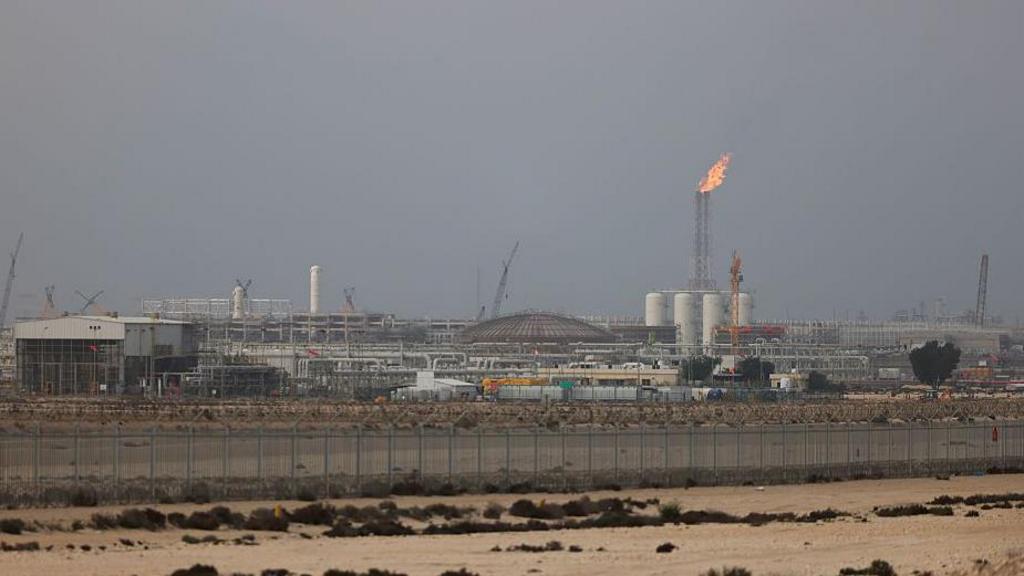
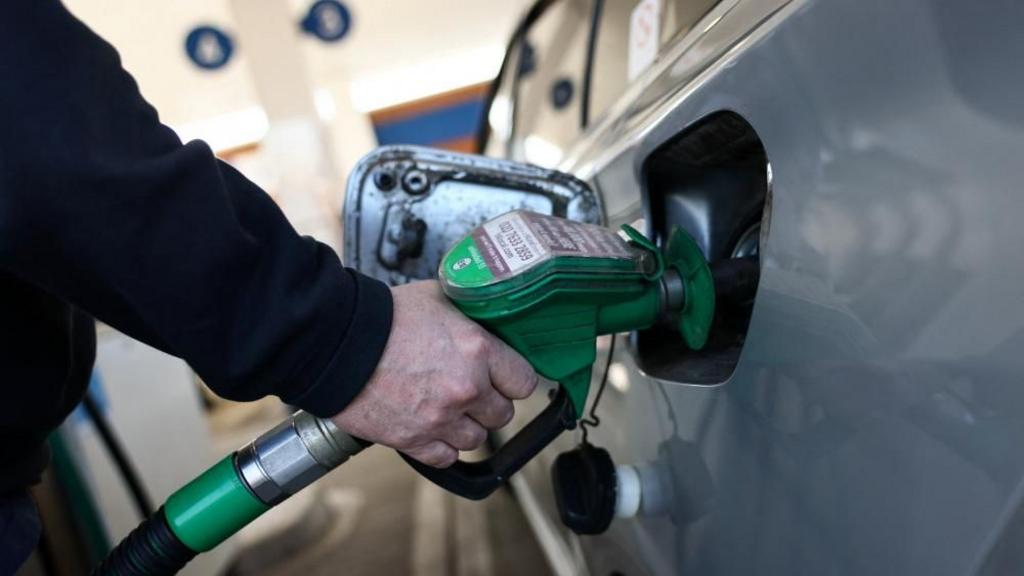
First, the most immediate and tangible impact would be felt in energy markets. Iran is a crucial player in the Strait of Hormuz, a chokepoint through which roughly 20% of the world's oil passes. Any disruption to this transit, whether from blockades, attacks on infrastructure, or extreme sanctions, would trigger a supply crisis. Historical charts show that previous tensions in the region have caused spikes of over 30% in crude prices within weeks. For the consumer, this would translate into drastic increases in the price of gasoline, heating gas, and electricity, making transportation and general living more expensive. Imported inflation would become a central headache for central banks.
Second, global food security would face additional pressures. The region is a major corridor for the trade of grains and fertilizers. A prolonged conflict would disrupt maritime supply chains, increasing logistical costs and delivery times. Countries dependent on food imports, especially in North Africa and Asia, could see the prices of staple goods rise. Experts from the World Food Programme have already warned about the fragility of the system. 'A geopolitical shock of this magnitude in such a critical region would be a severe blow to global commodity markets,' a senior analyst recently noted. This would affect supermarket shelves around the world.
The third channel is financial instability. Markets hate uncertainty, and an open war would trigger a flight to assets considered safe havens, such as the US dollar, gold, and bonds from stable governments. At the same time, stock markets would experience high volatility and likely significant corrections. Retirement savings, investments in index funds, and the value of investment portfolios could decline. Volatility charts (VIX index) during past crises show patterns of panic that take months to dissipate. Small and medium-sized enterprises, which rely on credit and consumer confidence, would be particularly vulnerable.
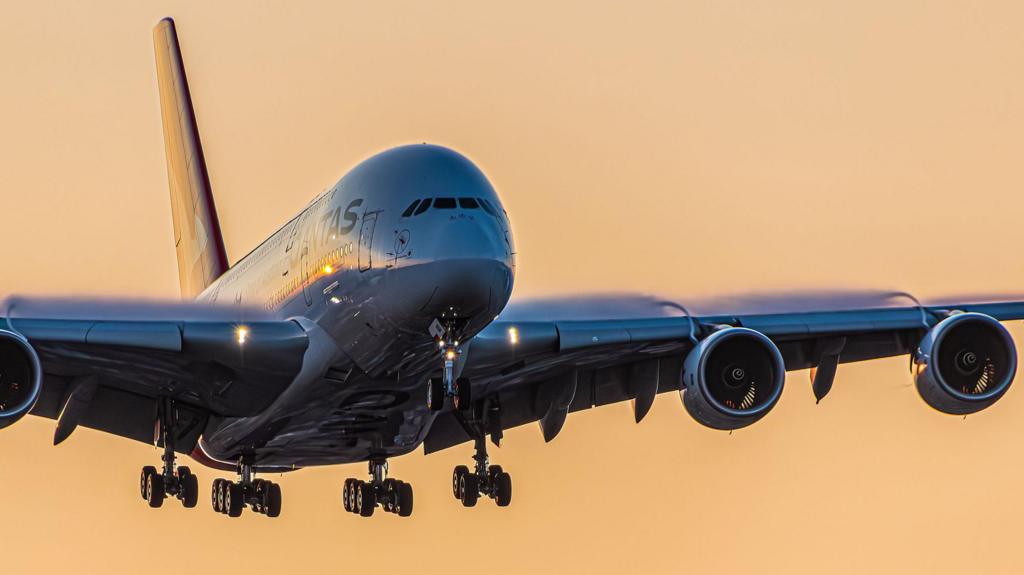
Fourth, security and geopolitics would be reconfigured. A conflict of this nature would likely trigger a series of actions by state and non-state actors, increasing the risk of cyberattacks on critical infrastructure, disruptions to air traffic, and greater militarization. Citizens could face heightened security checks on international travel and a general sense of insecurity. Furthermore, a massive humanitarian crisis with displaced people would be almost inevitable, putting pressure on asylum and international aid systems.
Finally, the fifth impact would be on social and political cohesion at the domestic level in many countries. The economic strains stemming from the war would exacerbate social divisions, increasing unrest and the potential for protests. Governments would be forced to divert spending toward defense, possibly cutting budgets in health, education, or infrastructure. Political polarization could intensify around the stance toward the conflict. In conclusion, while the epicenter of a conflict with Iran would be thousands of miles away for many, its effects would filter through the interconnected global economy, affecting purchasing power, food security, personal savings, and the stability of the environment in which we live. Preparation and understanding of these transmission channels are key to navigating a potentially turbulent landscape.