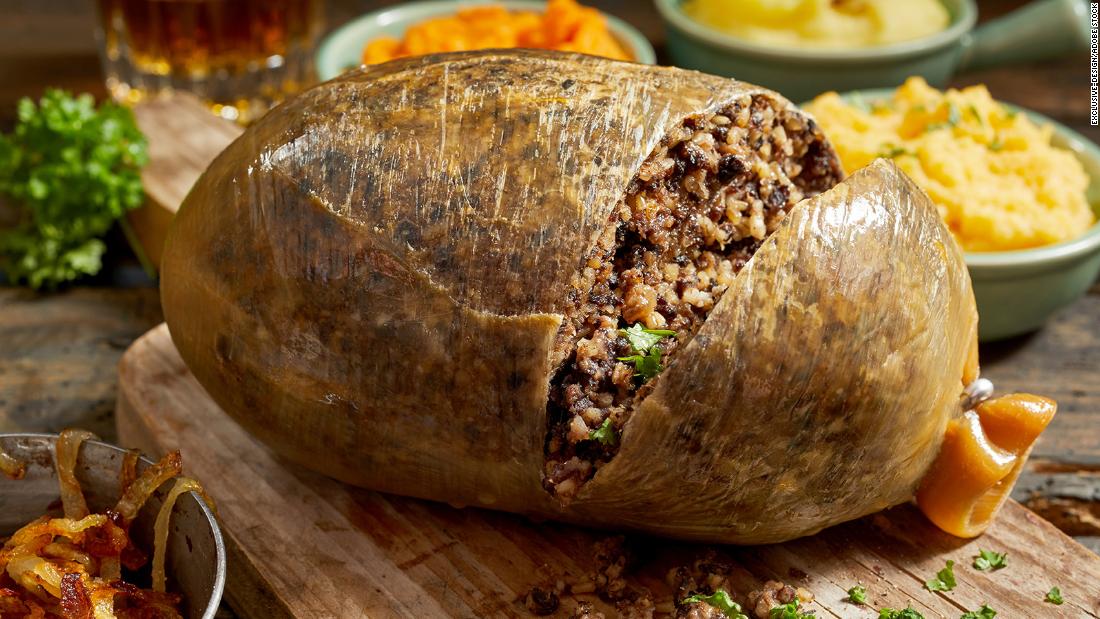
In the world of gastronomy, few dishes create as clear a divide as haggis, Scotland's national dish. This preparation, consisting of minced sheep offal (heart, liver, and lungs) mixed with onion, oatmeal, suet, spices, and salt, all stuffed into the animal's stomach and boiled for hours, is a cultural icon in the north of Great Britain. However, since 1971, its importation into the United States has been strictly banned by the Food and Drug Administration (FDA), which prohibits the consumption of sheep's lung for human consumption. This ban has created a curious paradox: what in Scotland is celebrated as a fine-dining delicacy is considered an illegal product in the United States.
The historical context of haggis is shrouded in legend and tradition. Although its precise origin is debated, with some theories linking it to the culinary practices of ancient Rome or the Vikings, it solidified as a quintessentially Scottish dish in the 18th century, thanks in part to national poet Robert Burns, who dedicated his 'Address to a Haggis' to it in 1786. The dish was born of necessity: it was an ingenious way to use all parts of the animal, wasting nothing, in a time of scarcity. Today, it is the centerpiece of Burns Supper celebrations every January 25th, where the poem is recited before the haggis is ceremoniously pierced.
Fascination with this dish transcends Scottish borders. One of its most prominent advocates was the iconic American chef and writer Anthony Bourdain. Bourdain, known for his adventurous palate and unfiltered criticism, expressed his admiration for haggis on multiple occasions. In his book 'Kitchen Confidential' and on his show 'Parts Unknown,' he praised its richness, texture, and deep flavor, while humorously acknowledging its 'sinister' composition and the challenge it posed for the average diner. 'It is gloriously delicious,' he once said, 'though I admit the description of its ingredients can make anyone recoil.' His endorsement was a crucial seal of approval for presenting haggis to the world as a product of high cuisine, and not merely as a folk curiosity.
In contemporary Scotland, haggis has undergone a remarkable evolution. Far from being limited to the traditional boiled version, chefs at Michelin-starred restaurants have reinvented it. Haggis can be found as a fried bonbon, as ravioli filling, in pâté, and even in vegetarian versions made with lentils, nuts, and oatmeal. This culinary renaissance has helped sophisticate its image, attracting a new generation of diners. Sector data shows it remains a massive product: it is estimated that around 1,500 tonnes of haggis are consumed in Scotland each year, with a clear peak during the Burns Night season.
The impact of the American ban is more symbolic than practical for Scots, but it illustrates a fascinating cultural and regulatory clash. While the FDA maintains its stance based on food safety concerns regarding lungs, haggis advocates argue that the prolonged cooking process eliminates any potential risk. Some Scottish producers have created 'for export to the USA' versions that omit the lung, but purists insist it's not the same. This situation has turned haggis into a forbidden object of desire for many Americans, who can only taste the authentic version by traveling to Scotland, adding an aura of exclusivity and mystery.
In conclusion, haggis embodies the essence of cuisine as a cultural expression: humble in its origins, rich in tradition, and capable of evolving without losing its soul. The ban in the United States, far from condemning it to obscurity, has fueled its legend. The passion of figures like Anthony Bourdain showed that, once the initial prejudice is overcome, one discovers a dish of extraordinary depth and flavor. More than a simple offal stew, haggis is a symbol of resilience, culinary ingenuity, and national pride that continues to challenge palates and regulations alike, securing its place not only on the Scottish table but in the global gastronomic imagination.