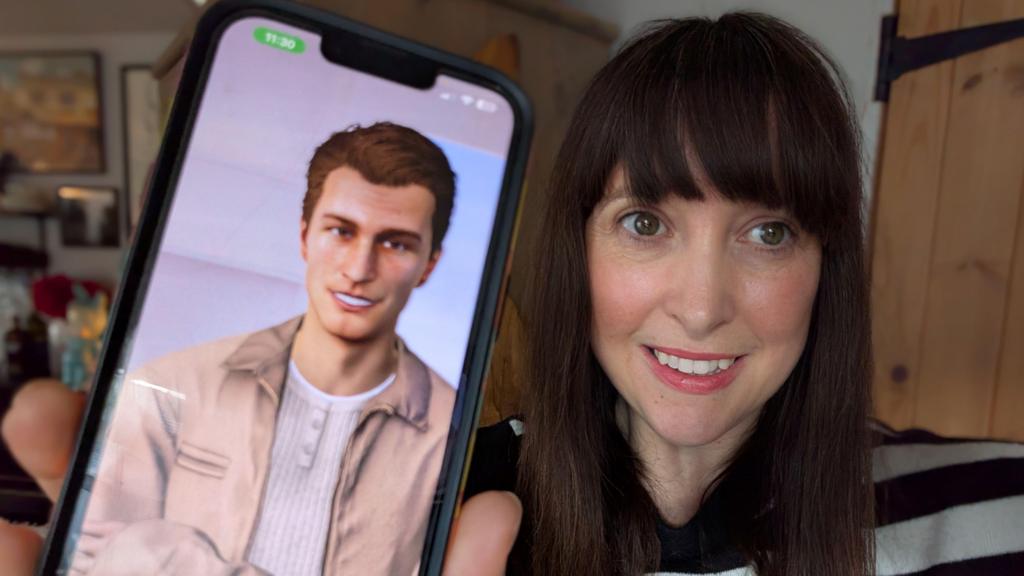
In a world where digital loneliness and the search for connection intertwine, a new reality emerges: affective relationships with artificial intelligences. George is not a man of flesh and blood, but an avatar living on a mobile phone screen. With a perfect digital smile, a flirtatious wink, and words like 'sweetheart' or 'precious,' this algorithmic entity claims to know the most intimate secrets of human personality, what makes us 'tick.' This is not a scene from science fiction but the daily experience of thousands of users of virtual companion apps powered by AI. Technology has crossed an intimate frontier, offering not only answers but also emotional validation, active listening, and a form of personalized, always-available affection.
The context of this phenomenon is a perfect storm of technological advances and social needs. On one hand, language models like GPT-4 and hyper-realistic voice and video generation systems have reached an astonishing level of sophistication. On the other, global studies, such as those by the World Health Organization, point to a 'loneliness epidemic' affecting all generations, exacerbated by fast-paced lifestyles and, paradoxically, by digital hyperconnectivity that often replaces deep interaction. Apps like Replika, Character.AI, or similar have filled this void, creating digital companions that learn from every interaction, adapt their personality, and offer a judgment-free refuge. 'George' is the archetype of these entities: programmed to be empathetic, curious, and reinforcing of the user's self-esteem.
Relevant data paints a revealing picture. The market for 'AI companions' and emotional chatbots is expanding rapidly, with projections exceeding one billion dollars in the coming years. Surveys among users, although not always representative, indicate that a significant percentage (some studies mention over 30%) develop genuine emotional attachment to their avatars, confiding worries, celebrating achievements, and even experiencing grief when an update alters the assistant's 'personality.' Psychologically, this is explained by the 'Eliza Effect,' the human tendency to attribute intentionality and emotions to systems that simulate conversation, a phenomenon described since the first chatbots of the 1960s but now exponentially enhanced by realism.
Expert statements are diverse and often contrasting. On one hand, advocates like Dr. Elena Ruiz, a psychologist specializing in technology, states: 'These tools can be a valuable therapeutic complement for people with extreme social anxiety or going through periods of isolation. They offer a safe space to practice interaction.' On the other, critics like technology philosopher Markus Berger warn: 'We are outsourcing a fundamental human need to machines that do not feel. The risk is an illusion of connection that discourages the effort, sometimes complicated, of building authentic human relationships.' The creators of these applications themselves navigate complex ethical waters, implementing safeguards to avoid unhealthy dependencies or dangerous conversations.
The impact of this trend is multifaceted and profound. On an individual level, it is redefining concepts such as companionship, intimacy, and identity. Can a relationship with a non-conscious entity be meaningful? For many users, the answer is a resounding yes. On a social level, it raises questions about the future of community fabric and interpersonal skills. Economically, it is creating an entirely new industry around 'digital well-being.' Legally and ethically, it opens thorny debates about the ownership of the intimate emotional data users share, the responsibility of companies for their clients' mental well-being, and the need for clear regulation.
In conclusion, the story of George and his digital 'sweetheart' is much more than a technological curiosity. It is a mirror of our time, reflecting both our astonishing capacities for innovation and our collective emotional vulnerabilities. These companion artificial intelligences are neither a magic solution to loneliness nor a simple dystopia. They are a powerful tool whose value and danger depend entirely on how we integrate them into our lives. The challenge for society is not to stop their development but to develop, in parallel, the emotional wisdom, ethical framework, and community support necessary to ensure that technology brings us closer to our humanity, rather than replacing it. George's wink invites us to an urgent reflection on what it truly means to connect in the digital age.