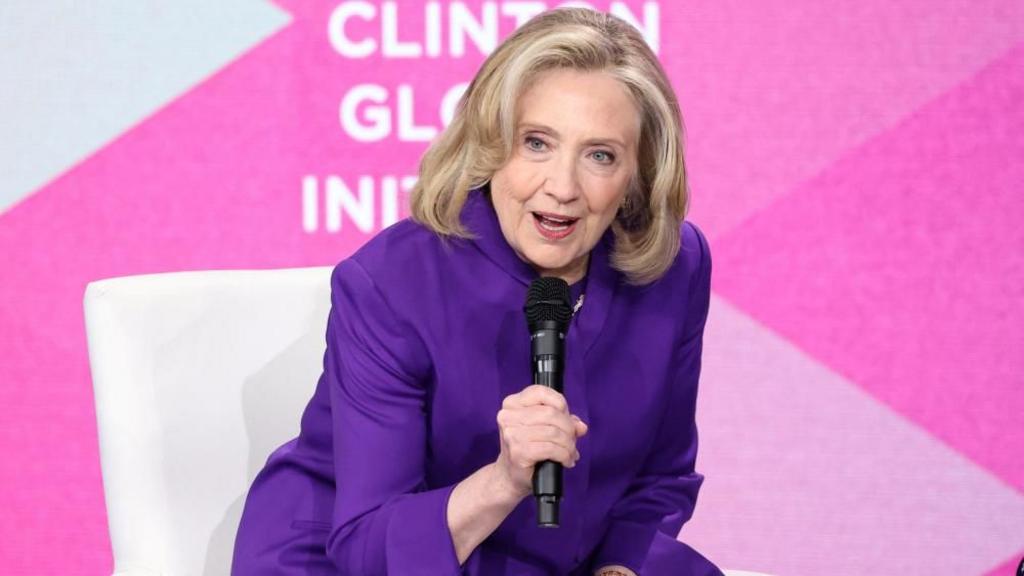
In a move set to reignite scrutiny over elite political connections to the late financier Jeffrey Epstein, former Secretary of State Hillary Clinton has been called to appear before a U.S. House of Representatives committee. The Republican-led panel, focused on investigating sex trafficking networks and Epstein's influence, is seeking testimony from public figures who had any form of interaction or connection with the convicted sex offender. The news arrives amid intense political polarization and renewed public interest in the Epstein case, years after his death in a federal jail cell under circumstances that remain officially unresolved.
The context of this subpoena traces back to the establishment of the Select Committee on the Sex Trafficking Crisis and Epstein's Influence, formed earlier this year by the Republican majority in the House. The committee's stated goal is to "thoroughly investigate sex trafficking networks, examine the reach of Jeffrey Epstein's influence, and ensure accountability." While Clinton has not been accused of any crime related to Epstein, her name has surfaced in the past in connection with flights on the financier's private plane, though her representatives have vehemently denied any knowledge of illegal activities. The subpoena is part of a broader effort by the committee to interview a wide array of individuals, from former Epstein associates to law enforcement officials and public figures.
Relevant data indicates that Epstein's private plane, dubbed the "Lolita Express," ferried a variety of prominent passengers over the years, including politicians, businessmen, and academics. Flight logs have been the subject of public and legal scrutiny for years. Hillary Clinton, according to available records and statements from her team, used the plane on at least one occasion in 2002 for a charity trip to Africa, accompanied by her daughter Chelsea and a security detail. Her spokesperson has previously stated they had no knowledge at the time of the heinous crimes for which Epstein would later be convicted. The subpoena aims to clarify the nature and extent of any interactions, as well as any information Clinton may have later obtained about Epstein's activities.
As of now, no official statements from Hillary Clinton regarding the specific subpoena have been made public. However, a spokesperson close to the former Secretary of State, speaking on condition of anonymity, indicated to media outlets that "Mrs. Clinton has always been willing to cooperate with legitimate investigations" and that her team is reviewing the request. On the other side, Committee Chairman, Republican Representative James Comer, issued a statement asserting: "The American people deserve complete and transparent answers about how a predator like Epstein operated with such impunity and who may have facilitated him, intentionally or not. We are committed to following the facts wherever they lead." This stance reflects the highly partisan nature of the investigation in Washington's current political climate.
The impact of this potential appearance is multifaceted. Politically, it injects a new element of controversy into the election year, allowing Republicans to maintain focus on alleged connections between Democratic elites and despicable figures. For the justice movement for Epstein's victims, it represents an opportunity to push for greater transparency, though there is also a risk the process will be perceived as politicized. Legally, while charges against a figure like Clinton are unlikely, testimony under oath before a Congressional committee carries significant weight and could generate new lines of inquiry into Epstein's network. The event will also attract massive media coverage, ensuring Epstein's legacy and the quest for justice for his victims remain in the public consciousness.
In conclusion, the subpoena of Hillary Clinton before the House committee on Epstein marks a significant chapter in the prolonged saga to unravel the deceased financier's network. While the former Secretary of State is one of many public figures whose paths crossed with Epstein's, her prominence guarantees her testimony will be scrutinized minutely. The appearance, likely to be partly public, will serve as a test both for the seriousness of the Congressional investigation and for the political narrative surrounding elite accountability. Regardless of the outcome, the act reinforces the notion that the Epstein case, with its ramifications of power, wealth, and abuse, remains an open wound in the social and political fabric of the United States, demanding a closure that has so far been elusive for victims and the public alike.