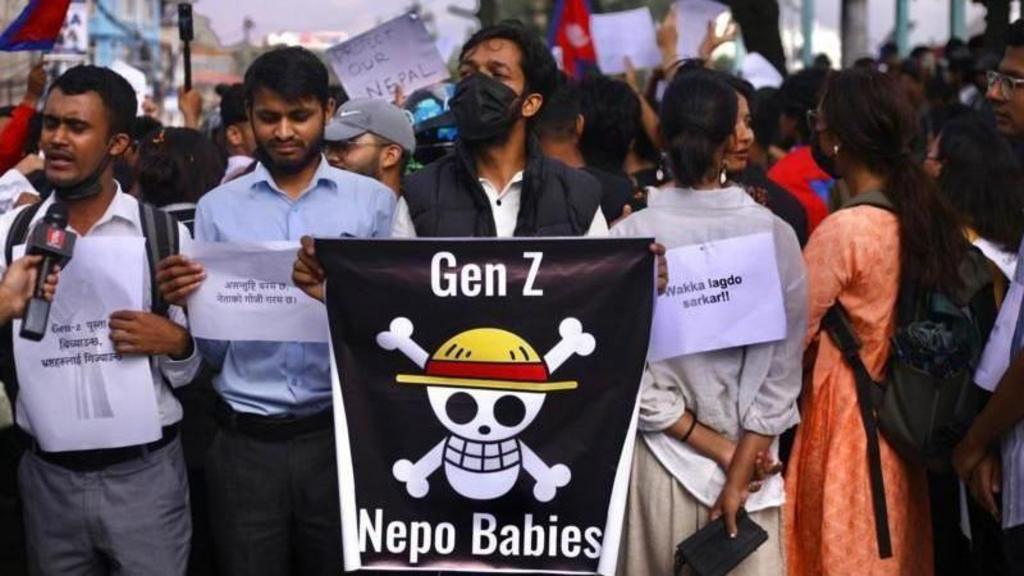
Nepal's political landscape is at a crucial inflection point as citizens head to the polls amid growing discontent over systemic corruption and nepotism. One question resonates powerfully in this election campaign: where are the so-called 'nepo kids,' the children of powerful political figures who have traditionally inherited positions of influence? This electoral cycle appears to mark a departure from that dynamic, as public anger against corruption has become the central theme, displacing narratives of family lineage that have defined Nepali politics for decades. Voters, especially the youth and urban middle class, are demanding accountability and clean governance, weary of scandals that have diverted vital resources from the country's development.
The context of this election is complex. Nepal, a young federal republic that emerged from a decade of civil war and abolished the monarchy in 2008, has struggled to consolidate its democracy. The main political parties, many led by dynasties or long-standing figures, have frequently been embroiled in allegations of embezzlement, patronage, and influence peddling. However, in recent years, a series of high-profile scandals, including cases related to public contracts, procurement of medical equipment during the pandemic, and licensing, have pushed citizens' patience to the brink. Civil society movements and more aggressive investigative journalism have shed light on these practices, creating an unprecedented climate of demand.
Relevant data underscores the magnitude of the problem. According to Transparency International, Nepal consistently ranks low on the Corruption Perceptions Index. Nepal's Commission for the Investigation of Abuse of Authority (CIAA) has seen a significant increase in complaints filed by citizens. Furthermore, the cost of political campaigns has skyrocketed, fueling suspicions that candidates need to raise funds through questionable means, creating a vicious cycle of political debts and favors that must later be repaid. This environment has made it risky for parties to openly field candidates perceived as beneficiaries of nepotism ('nepo kids'), whose candidacies could be met with skepticism and protests.
Statements from key figures reflect this shift in mood. A leader of an opposition party recently stated, 'The people do not want heirs, they want heroes who will fight corruption and bring development.' Local political analysts note that while dynastic power structures have not disappeared, they have been forced to operate with greater discretion. 'The 'nepo kids' have not vanished, but they have temporarily retreated behind the scenes or been placed in less visible positions, waiting for the anti-corruption storm to subside,' commented a professor of political science at Tribhuvan University.
The impact of this focus on corruption is profound. First, it has redefined the electoral agenda, forcing parties to include concrete promises of reform in their manifestos, such as strengthening the CIAA, implementing transparency laws, and digitizing public services to reduce discretion. Second, it has empowered independent candidates and figures outside the establishment who make the fight against corruption their main banner. Third, there is genuine hope that this could be a decisive moment to break the cycles of impunity that have hindered Nepal's economic and social progress.
In conclusion, the elections in Nepal are witnessing a remarkable phenomenon: the issue of corruption has temporarily eclipsed dynastic politics, forcing a recalibration in party strategies. The visible absence of 'nepo kids' at the forefront is symptomatic of a broader citizen demand for meritocracy and ethical governance. If this momentum translates into a clear mandate for the winners and sustained pressure to implement reforms, it could mark the dawn of a new era in Nepali politics. However, the real challenge will come after the elections, when campaign promises must turn into legislative and administrative action against entrenched interests. The future of Nepal's democracy may depend on whether this anti-corruption clamor succeeds in institutionalizing permanent change or is merely a parenthesis before the return of politics as usual.