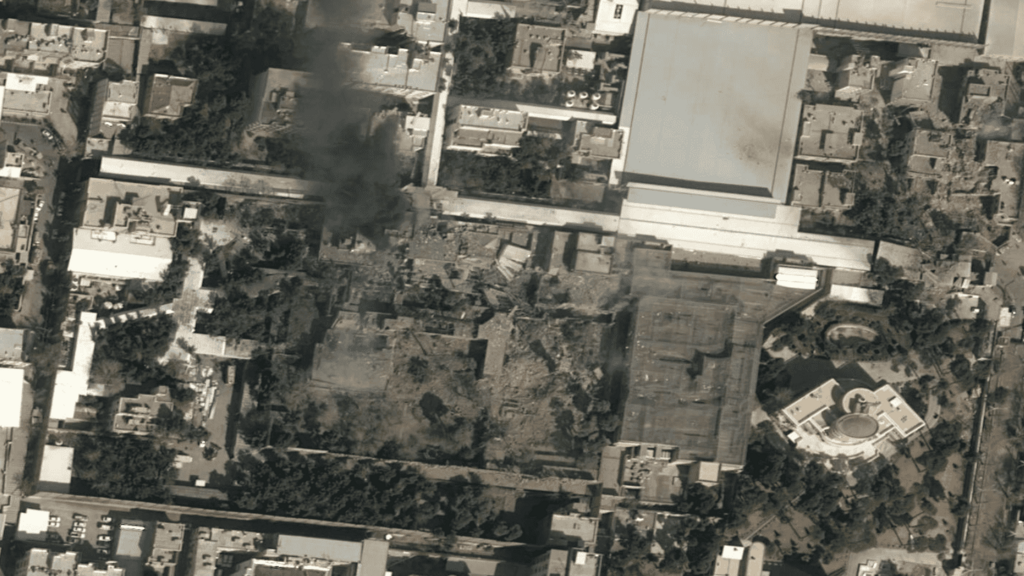
In an event shaking the foundations of global politics and Middle Eastern stability, internal sources and intelligence reports have confirmed the death of Iran's Supreme Leader, Ayatollah Ali Khamenei. The news, which has not yet been fully officially confirmed by the Iranian government, has triggered a series of retaliatory military strikes by the Armed Forces of the Islamic Republic, targeting what Tehran has called "centers of conspiracy and aggression." The situation is unfolding amid extreme tension and a dense fog of war, with the risk of regional and international escalation palpable in the air.
Ali Khamenei, 84, has been Iran's most powerful political and religious figure for over three decades, wielding ultimate authority over all state affairs, foreign policy, and the armed forces, including the influential Islamic Revolutionary Guard Corps (IRGC). His leadership has defined the nation's ideological and strategic posture, from its nuclear program to its support for proxy groups in the region. The exact nature of his death remains the subject of intense speculation and disinformation. Some government-aligned channels suggest a targeted attack or a major security incident, while external actors remain silent or deny any involvement. The absence of a clear official statement from the Office of the Supreme Leader only adds mystery and apprehension to the crisis.
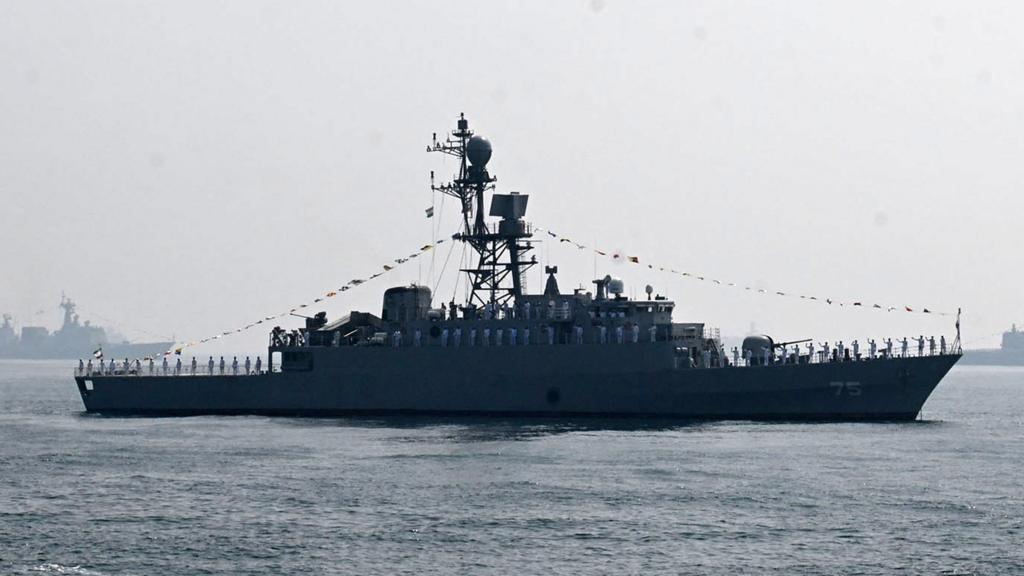
In response, Iran has initiated what its military commanders are calling "Operation Blood Promise." Initial reports indicate missile launches and drone attacks from Iranian territory. While operational details are murky, there are indications that targets could include facilities in neighboring countries that Tehran has historically accused of harboring its enemies. Israel's air defense network, as well as U.S. military bases in Iraq and Syria, are at their highest alert level. Global markets have reacted with panic, with Brent crude oil prices surging over 15% in Asian trading, reflecting fears of a massive disruption to energy supply from the Persian Gulf.
"The enemy has made a strategic mistake of historic proportions," declared an Iranian military spokesman in a televised statement. "The response of the Iranian nation will be swift, decisive, and will extend beyond what the enemy can imagine. Vengeance for our Leader's blood is a path we will walk to the end." This belligerent language underscores the gravity of the situation. Meanwhile, Western and regional governments have issued urgent calls for restraint. A U.S. State Department spokesperson stated, "We are closely monitoring reports and are in communication with our allies. We urge all parties to avoid actions that lead to further escalation."
The immediate impact is deep uncertainty regarding succession in Iran. The Assembly of Experts, the body responsible for appointing the new Supreme Leader, would convene under circumstances of maximum pressure and potential internal division. Simultaneously, the power vacuum could trigger internal power struggles among factions within the Iranian establishment, including the IRGC and the civilian government. Regionally, Iran's allied groups, such as Hezbollah in Lebanon and militias in Yemen and Iraq, may feel compelled to act, opening multiple fronts of conflict. The international community faces its greatest crisis diplomacy test in years, with the specter of an open conflict involving multiple powers.
In conclusion, the alleged death of Ali Khamenei is not merely the loss of a leader; it is a geopolitical turning point of the first order. Iran, wounded and seeking vengeance, has opted for an immediate military response, risking a spiral of violence that could redefine the map of the Middle East. The coming days will be critical in determining whether containment mechanisms and emergency communication channels can prevail over the logic of retaliation and conflict. The world watches with alarm as one of the most dangerous situations in recent decades unfolds, where every calculated move or miscalculation could have catastrophic consequences.