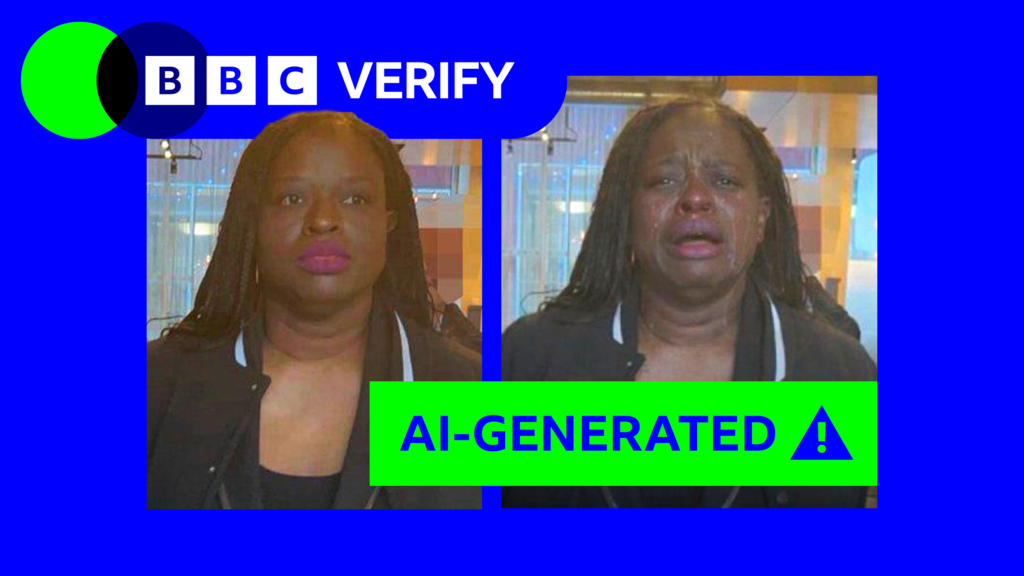
In an incident that has reignited debates about misinformation and the use of editing tools by government institutions, activist and civil rights attorney Nekima Levy Armstrong has publicly denounced the White House administration for posting a digitally altered image of her arrest. The photograph, shared on the White House's official social media accounts, showed Armstrong being detained by police officers in front of a church in Minneapolis, where she had organized a protest against immigration policies and ICE (Immigration and Customs Enforcement). However, subsequent analysis revealed that the image had been manipulated, adding elements not present in the actual scene, in what Armstrong calls an attempt to criminalize and discredit peaceful activism.
The context of this event dates back to a series of demonstrations coordinated by immigrant rights advocacy groups in several U.S. cities. Armstrong, a prominent figure in the racial and social justice movement, had organized a vigil and peaceful protest on the grounds of a historic church, a space traditionally considered a sanctuary. The protest aimed to draw attention to ICE raids and conditions in detention centers. According to witnesses and local media reports, police intervention was swift and forceful, resulting in Armstrong's arrest and that of several other protesters on charges of disorderly conduct and resisting arrest.
The controversy emerged hours later when the White House's official social media account posted the edited image alongside a message claiming that the protesters had "violated the law and disturbed the peace of a house of worship." The image, which quickly went viral, showed added details, such as an increased police presence and an altered facial expression on Armstrong, suggesting aggressiveness. Digital forensic experts and verification journalists confirmed that the photograph had been manipulated with editing software, raising serious ethical and legal questions about the use of fake content by a government.
At a press conference convened from the headquarters of a civil rights organization, Nekima Levy Armstrong addressed the media with strong statements. "This is not just a mistake; it is a deliberate campaign of misinformation designed to silence dissenting voices and manipulate public opinion," the activist stated. "By distorting the reality of a peaceful arrest, the White House is crossing a dangerous line that erodes trust in our institutions and threatens freedom of speech. We demand a public apology and the immediate removal of that fake image." Armstrong also announced that her legal team is evaluating legal actions for defamation and violation of her civil rights.
The impact of this incident transcends the individual case and touches sensitive nerves in the current political and social landscape. Organizations such as the ACLU (American Civil Liberties Union) and Reporters Without Borders have issued statements condemning the government's use of fake images, warning that it sets a worrying precedent for manipulating public narrative. In the political arena, opposition lawmakers have requested a congressional investigation into the White House's communication practices, while media ethics experts emphasize the risk of normalizing post-truth in official discourse.
At the civil society level, the case has galvanized activist groups, which have organized solidarity protests and online campaigns under hashtags like #NoFakeNews and #TruthMatters. The church where the arrest occurred also issued a statement supporting Armstrong and rejecting the characterization of the protest as violent, recalling its historic mission to welcome the vulnerable. Meanwhile, the White House, through an unidentified spokesperson, initially defended the post as a "symbolic representation" of the events, though it later removed the image without a detailed explanation, further fueling criticism.
In conclusion, the case of Nekima Levy Armstrong highlights the growing challenges at the intersection of technology, activism, and governance in the digital age. The dissemination of manipulated content by a government institution not only undermines the credibility of official sources but also represents a tangible threat to democratic rights. As editing tools become more accessible, this incident serves as an urgent wake-up call to establish ethical and legal safeguards that protect the integrity of public information. The outcome of this case could influence future policies on government communication and free speech, marking a turning point in the fight against institutionalized misinformation.