Ukrainian President Volodymyr Zelensky has revealed that the United States is pushing for the war with Russia to end by next June. This statement comes at a time of extreme tension, marked by a new wave of Russian attacks on critical energy infrastructure in Ukraine, which have plunged several regions into darkness and exacerbated the already grave humanitarian crisis. Zelensky, in an interview with international media, stressed that despite this American diplomatic push, "difficult issues" and fundamental differences between the parties persist, greatly complicating any peace negotiations. The leader did not specify the exact nature of these pressures or the terms of a possible agreement but made clear that Ukraine's position remains the restoration of territorial integrity within its internationally recognized borders, including Crimea and Donbas.
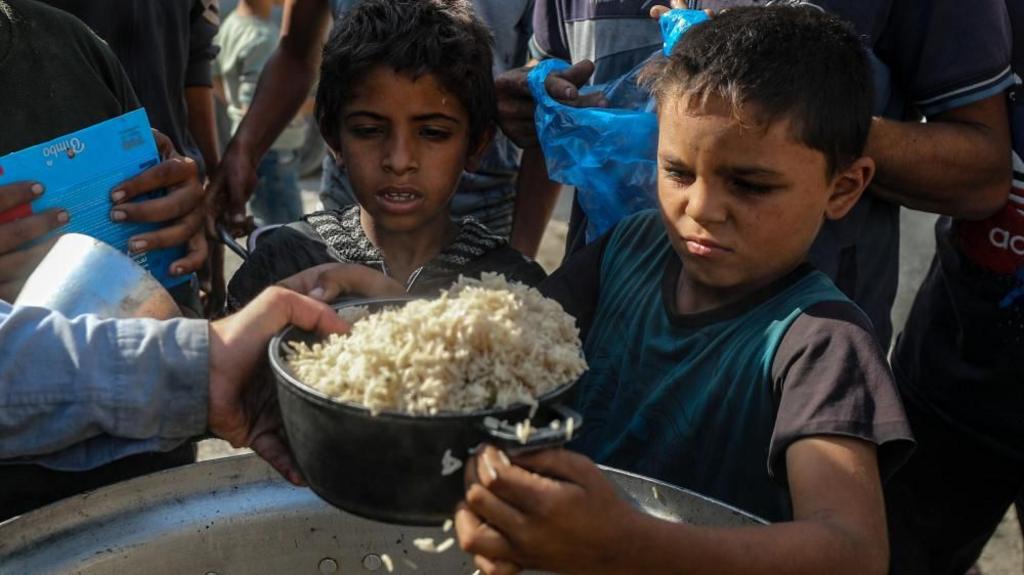
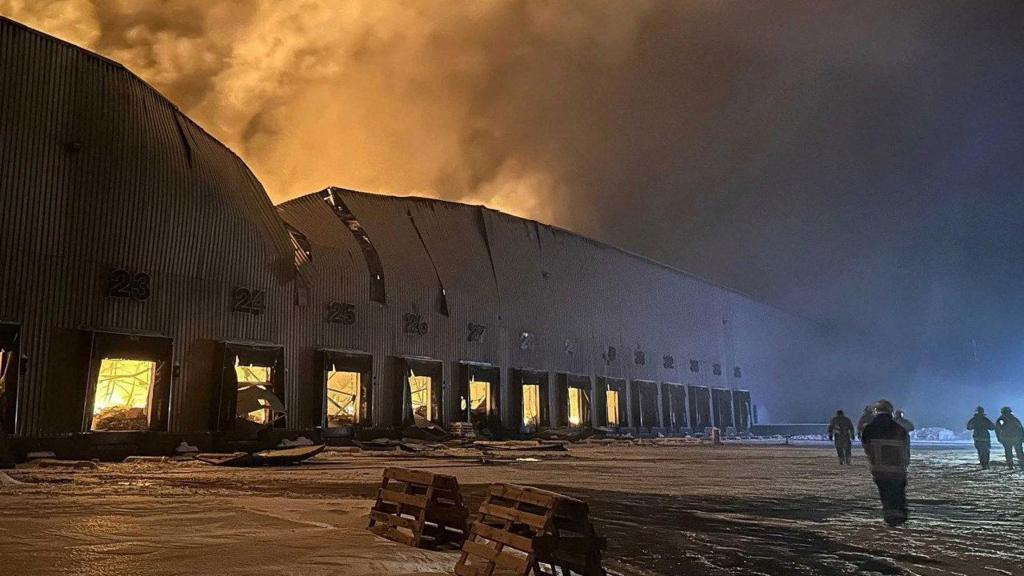
The context of this revelation is a Russian military campaign that has intensified its bombardment of Ukraine's energy system. In recent weeks, missiles and drones have hit power plants, substations, and distribution networks, causing massive blackouts and affecting millions of civilians in the depths of winter. Analysts note that this strategy aims to undermine civilian morale, weaken Ukraine's war economy, and pressure the government in Kyiv to accept terms more favorable to Moscow at a potential negotiating table. The destruction of critical infrastructure is not only an act of war but also constitutes, according to humanitarian organizations, a potential violation of international humanitarian law by endangering the survival of the civilian population.
Data on the impact of these attacks is telling. According to Ukraine's Ministry of Energy, over 50% of the country's power generation capacity has been damaged or destroyed since October. Cities like Kyiv, Odesa, Kharkiv, and Lviv have experienced scheduled blackouts of up to twelve hours a day. The International Energy Agency (IEA) has warned that a full repair of the system could take years and require investments of tens of billions of dollars. Meanwhile, the Office of the United Nations High Commissioner for Human Rights (OHCHR) has documented a 40% increase in civilian casualties during the last quarter, largely attributing it to shelling in urban areas and attacks on vital infrastructure.
"The pressure exists, but peace cannot be built on the surrender of our territory or our sovereignty," Zelensky stated. "There is an understandable desire in many capitals to see an end to this bloodshed, but that end must be just and lasting. The attacks on our power plants are an attempt to freeze us and break us, but they will not succeed." For its part, the US State Department spokesperson, Matthew Miller, neither confirmed nor denied the existence of a specific June deadline but reiterated Washington's "steadfast support" for Ukraine and its commitment to a peace that respects the UN Charter. "Our position is clear: any diplomatic solution must guarantee Ukraine's sovereignty and territorial integrity," Miller said.
The impact of a possible ceasefire or peace agreement by June would be monumental but fraught with uncertainty. On one hand, it would immediately alleviate human suffering, unblock grain exports via the Black Sea—crucial for global food security—and reduce the risk of direct escalation between NATO and Russia. On the other hand, a rushed or poorly structured agreement could freeze the conflict along current front lines, creating a scenario similar to 2014 but on a much larger scale, and setting a dangerous precedent for territorial annexation by force. The international community is divided: while Western nations insist on territorial restitution, other global actors advocate for a compromise solution that takes into account Russian "security concerns," a concept Kyiv rejects as a justification for aggression.
In conclusion, Zelensky's revelation about the June deadline desired by the United States sheds light on the growing diplomatic complexity of the conflict. While Russian missiles continue to fall on power plants, the window for a negotiated solution appears to be narrowing, caught between humanitarian urgency and the principles of sovereignty and territorial integrity. The coming quarter will be decisive, not only for Ukraine's future but for the European and global security order. Kyiv's ability to withstand military pressure, Moscow's willingness to negotiate seriously, and the unity of Western support will define whether June marks the beginning of a fragile peace or merely another bloody phase in a war of attrition that has already changed the world.