The city of Chicago and the nation at large are plunged into deep mourning following the passing of Reverend Jesse Jackson, one of the most emblematic figures of the civil rights movement in the United States. Jackson, who died at 82 after a long battle with health complications, leaves an indelible legacy of fighting racial injustice and economic inequality. For over six decades, his voice resonated in the streets, from pulpits, and in the halls of power, challenging the status quo and opening doors for generations of African Americans and other oppressed minorities.
Born in Greenville, South Carolina, in 1941, Jesse Jackson moved to Chicago in the early 1960s, where he quickly became involved in the civil rights movement. Under the mentorship of Dr. Martin Luther King Jr., Jackson became a key organizer for the Southern Christian Leadership Conference (SCLC). His participation in the historic Selma to Montgomery marches and his presence alongside King at the time of his assassination in Memphis in 1968 profoundly shaped his trajectory. After King's death, Jackson founded Operation PUSH (People United to Save Humanity) in 1971, headquartered in Chicago, dedicated to economically empowering Black communities and combating discriminatory practices.
Jackson's political career reached a historic milestone in 1984 when he became the second African American to mount a large-scale campaign for the Democratic Party's presidential nomination. Although he did not secure the nomination, his 1988 campaign broke barriers, winning numerous primaries and caucuses, and demonstrating the growing political power of the Black electorate. His "Rainbow Coalition" platform sought to unite people of all races and social classes around an agenda of economic and social justice. Census data and sociological studies from the era show how his activism contributed to increased political participation and representation of minorities in elected offices at the local and national levels.
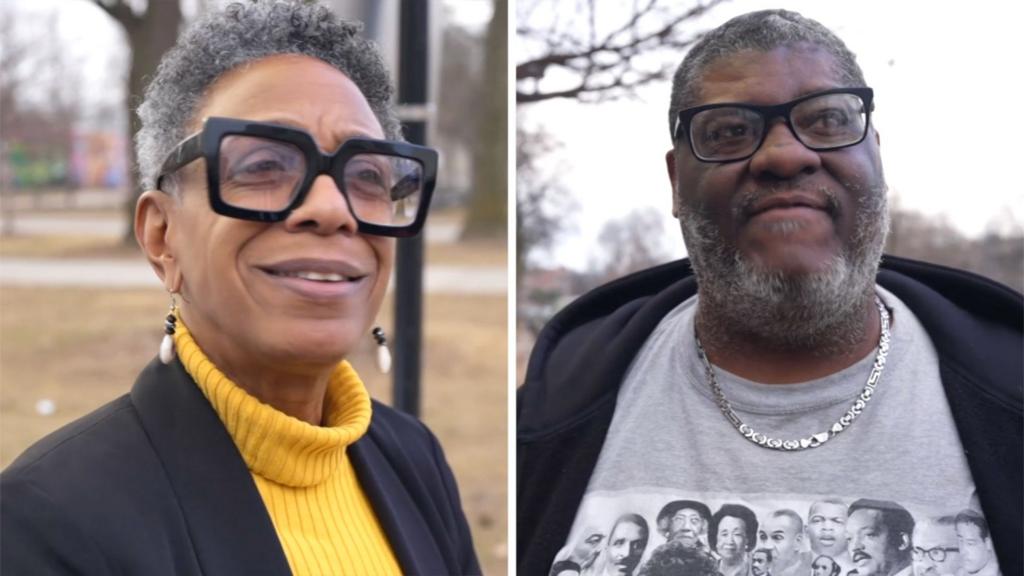
In Chicago, his impact was tangible. Community leaders and ordinary residents expressed their gratitude. Mayor Brandon Johnson stated, "Reverend Jackson was not only a leader for Chicago but for the world. He taught us to fight with dignity and to never take 'no' for an answer when it comes to justice." Illinois Congresswoman Robin Kelly added, "His legacy lives on in every young person who can now dream of being president, in every worker demanding a living wage, and in every community that organizes to demand respect." These statements reflect the widespread sentiment in a city that saw Jackson as a tireless advocate for its most disadvantaged neighborhoods.
The impact of his death transcends the symbolic. Political analysts note that his passing marks the end of an era of civil rights activism based on mass protest and religious mobilization. However, his organization, the Rainbow PUSH Coalition, continues its work, and his son, Jonathan Jackson, has followed in his footsteps in public life. The void he leaves raises questions about who will pick up the torch in the fight against persistent racial inequalities in housing, employment, and the criminal justice system—issues Jackson himself highlighted until his final days.
In conclusion, the death of Jesse Jackson is not just the loss of a historic leader but a moment of national reflection on the path traveled and the road ahead in the pursuit of equality. His strategies of economic boycott, voter registration, and direct negotiation with corporations left a playbook for modern activists. As Chicago celebrates his life with vigils and tributes, his famous rallying cry, "Keep hope alive!" continues to resonate as an enduring reminder that the struggle for justice is a marathon, not a sprint. The gratitude of the city that adopted him, and of the nation, will be everlasting.