The escalating tensions in the Middle East, with the potential for open conflict involving Iran, is not merely a distant geopolitical crisis. Its shockwaves have the potential to directly hit household economies worldwide, affecting everything from gasoline prices to investment stability. Deeply interconnected global markets react with volatility to any threat to stability in a region critical to the world's energy supply. This analysis explores the multiple channels through which a conflict of this magnitude could translate into higher numbers on monthly bills and increased financial uncertainty for families.
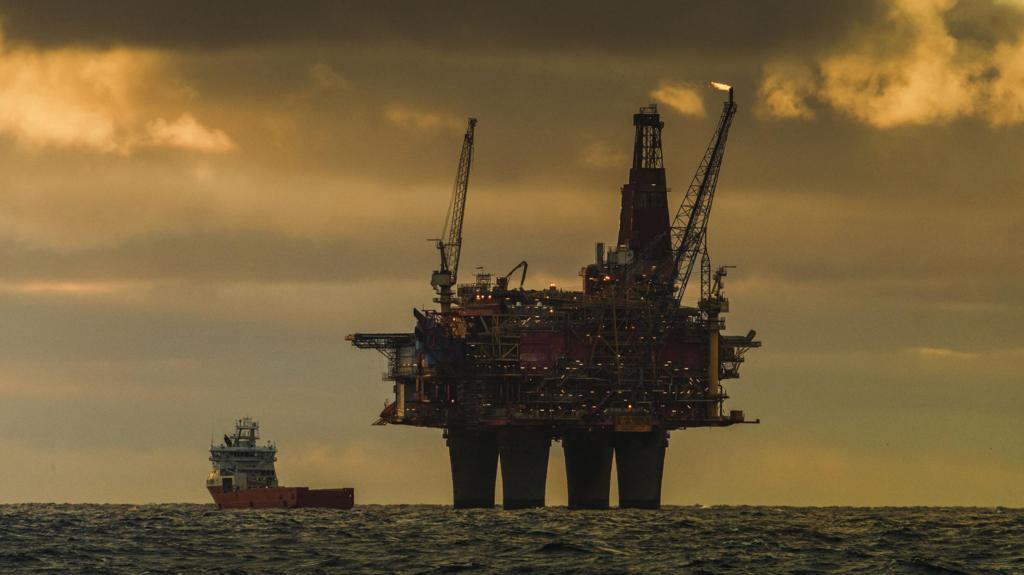
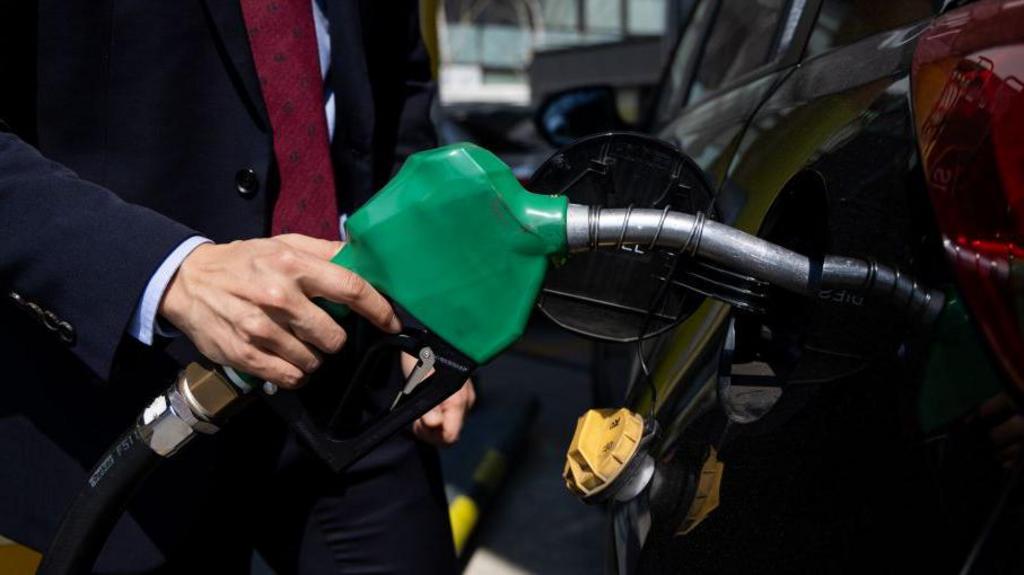
The first and most direct impact would be felt in energy prices. Iran is a key player in the global oil market, and the Strait of Hormuz, under its influence, is a critical chokepoint through which approximately 20% of the world's crude supply passes. Any disruption to this flow, whether from blockades, sabotage, or extreme sanctions, would trigger an immediate spike in barrel prices. Analysts at Goldman Sachs have warned that a prolonged closure of the strait could push oil prices above $150, a scenario that would translate into sharp increases in the price of gasoline, heating oil, and electricity, given the weight of fossil fuels in energy generation. For the average citizen, this means a substantial increase in transportation costs and utility bills.
Beyond energy, general inflation would face upward pressure. The cost of shipping goods would skyrocket, making a wide range of imported products more expensive, from food to consumer electronics. Supply chains, still recovering from recent disruptions, would face new logistical and security hurdles. This inflationary effect would force central banks, such as the Federal Reserve or the European Central Bank, to maintain or even tighten their restrictive monetary policies to contain prices, keeping interest rates at elevated levels. For families, this translates into more expensive mortgages and personal loans, hindering access to credit and cooling the real estate market.
Financial markets are another front of vulnerability. Geopolitical uncertainty typically triggers mass sell-offs in risk assets, such as stocks, and a flight to safety into assets considered secure, like gold or stable government bonds. A sustained drop in stock markets would erode the value of pension plans, investment funds, and savings portfolios. J.P. Morgan Asset Management's chief strategist, David Kelly, recently noted that 'investors need to prepare for significant volatility, as markets are pricing in geopolitical risk premiums not seen since the invasion of Ukraine.' Long-term financial planning would become more complex in this environment.
Finally, the macroeconomic impact could slow global growth, increasing the risk of recession in already fragile economies. Lower growth translates into less job creation and potential wage cuts, directly affecting household income. In conclusion, a conflict with Iran would have ramifications that cross the borders of international politics to materialize in a tangible deterioration of purchasing power. The unanimous recommendation from financial planning experts is prudence: strengthen the emergency fund, diversify investments, and avoid high-cost debt in a period of such uncertainty. Personal financial resilience becomes the best defense against external shocks.