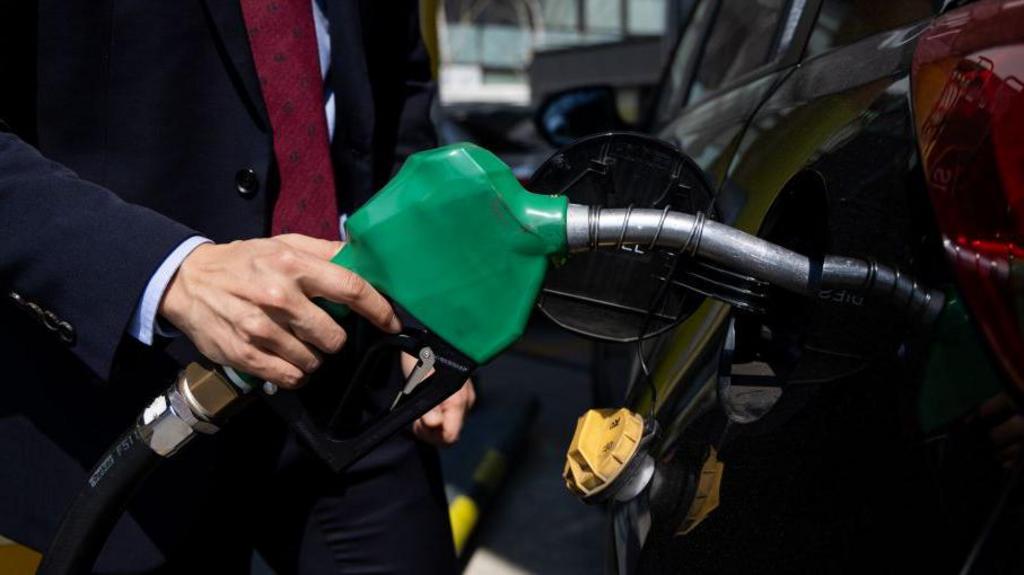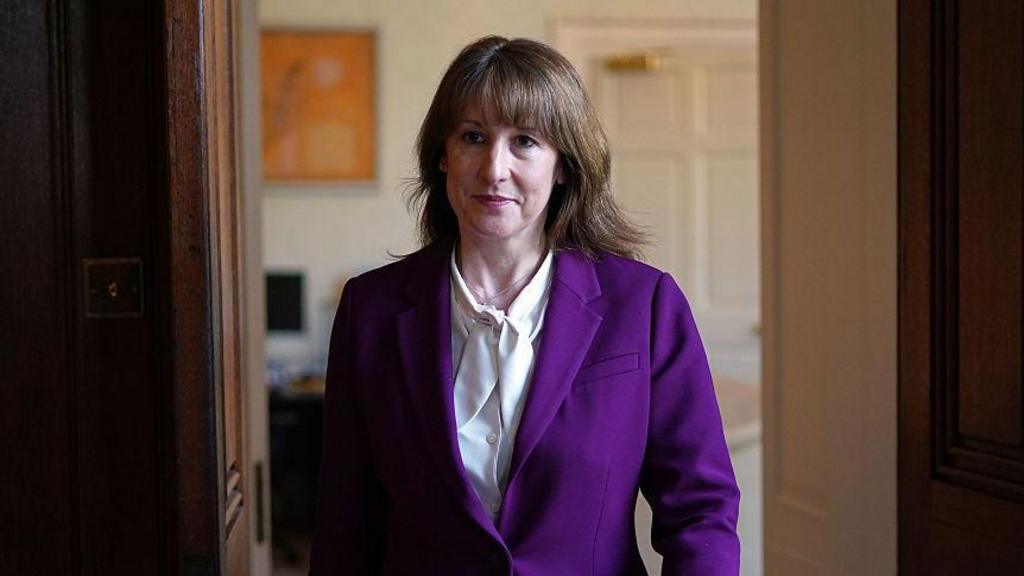
Chancellor of the Exchequer Rachel Reeves has announced that her department will launch a comprehensive review of options to assist households reliant on heating oil, a common fuel in rural and off-grid areas. This announcement comes amid ongoing concern about the cost of living, with energy expenses remaining a significant pressure on family finances, despite recent falls in wholesale prices from the 2022 peaks. An estimated 1.5 million households in the UK, primarily in Scotland, Wales, Northern Ireland, and rural England, use heating oil tanks to warm their homes—a group often described as the "forgotten" consumers of energy policy, which has traditionally focused on grid-connected gas and electricity customers.
The context for this review is a volatile market. Heating oil prices, while having receded from the exorbitant peaks triggered by the war in Ukraine, remain historically high and subject to sharp fluctuations based on crude oil prices and geopolitical tensions. Unlike electricity and grid gas, whose prices are regulated by a cap, the heating oil market is entirely unregulated, leaving consumers at the mercy of local suppliers and wholesale prices. Many of these households are also typically less energy-efficient, living in older, poorly insulated properties, which exacerbates the impact of high prices.
The Treasury review, expected to collaborate with the Department for Energy Security and Net Zero, will examine a range of potential mechanisms. Options under consideration could include extending some form of direct discount or subsidy scheme, similar to the Cost of Living Support Fund but specific to this fuel; creating a collective purchasing mechanism for rural communities to negotiate better prices; or accelerating energy efficiency upgrade and heat pump transition programs for these properties. A Treasury spokesperson stated, "We recognize the unique pressure faced by households dependent on heating oil. This review aims to identify practical, targeted solutions to ensure no one is left behind as we navigate towards a more stable and affordable energy future."
Campaign groups such as Citizens Advice and Action with Communities in Rural England (ACRE) have welcomed the announcement while urging swift action. "These households have been in a perpetual cycle of price anxiety. A harsh winter with high prices can be financially devastating," said a representative from ACRE. The impact of a successful intervention would be significant, not only alleviating immediate financial strain but also contributing to goals of reducing fuel poverty and ensuring a just transition. A poorly designed solution, however, could disincentivize investment in cleaner long-term alternatives.
In conclusion, the review announced by Rachel Reeves marks a crucial political acknowledgment of a gap in the UK's energy safety net. Its success will depend on the ability to design a support mechanism that is both agile enough to respond to market volatility and strategic enough to align these households with net-zero objectives. The outcomes of this review, expected in the autumn, will be a key indicator of the government's depth of commitment to a truly inclusive energy policy that does not leave rural and isolated communities behind.