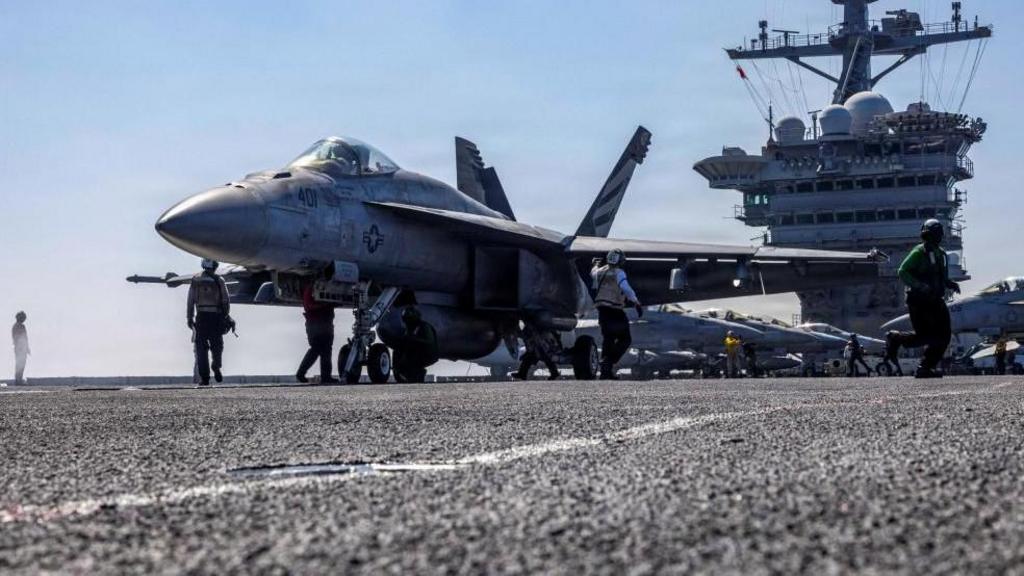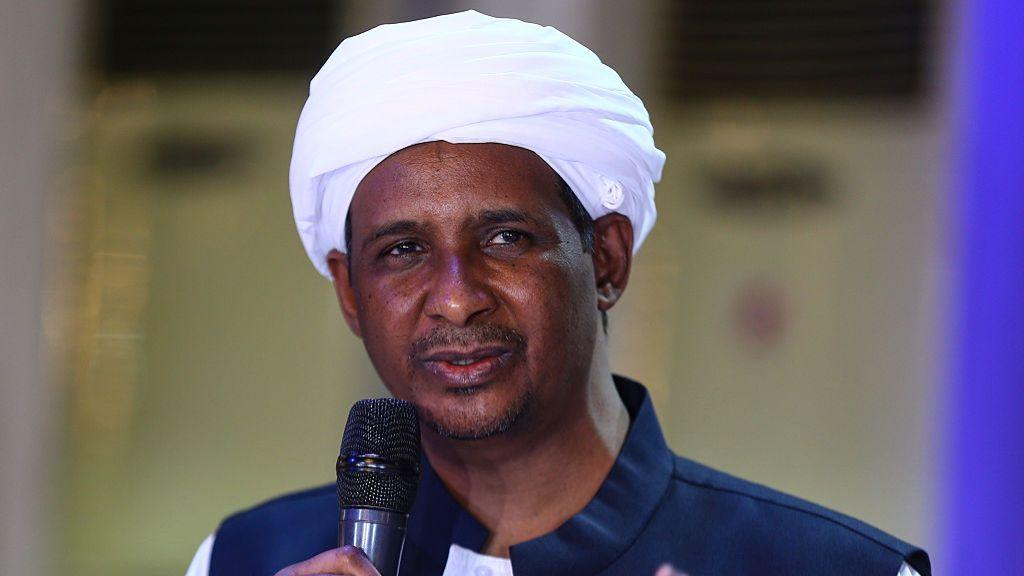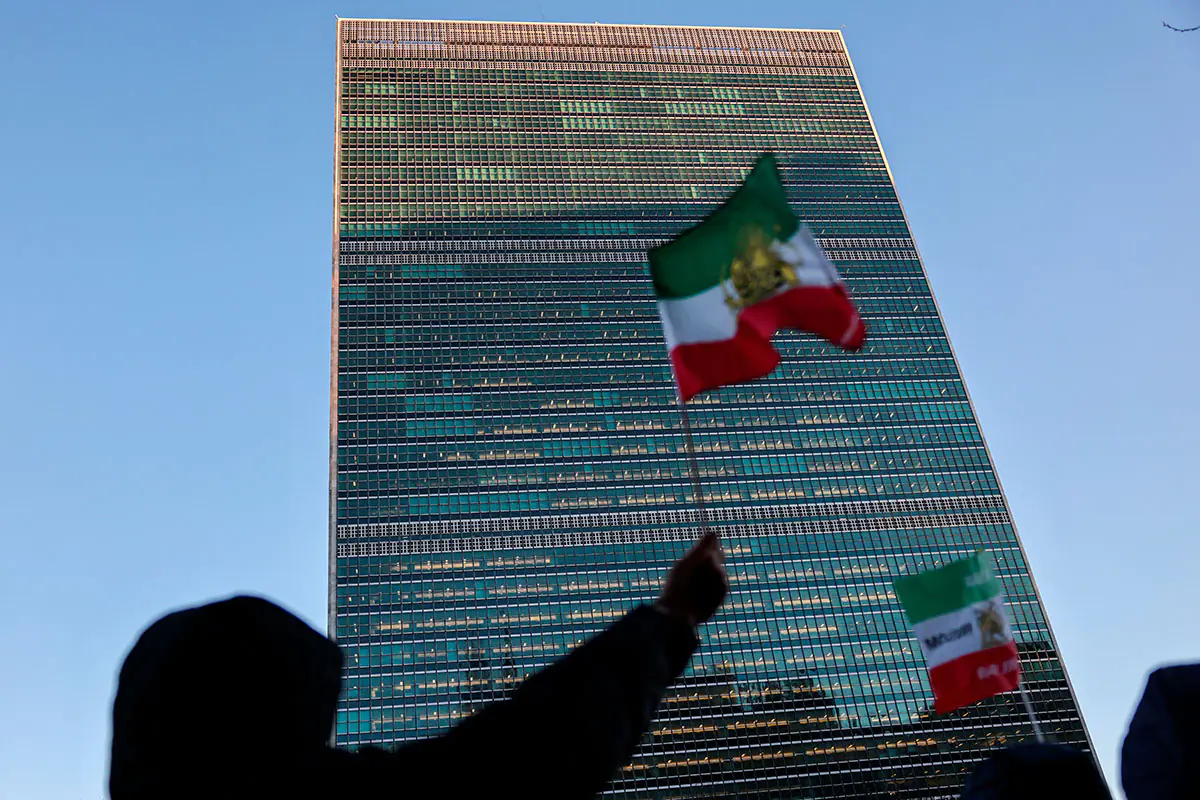
In a strategic message combining military threat with calculated diplomatic openness, Iran has declared it will respond immediately and forcefully to any attack from the United States. The warning, issued by senior officials of the Armed Forces and the Ministry of Foreign Affairs, comes at a time of heightened tension in the Persian Gulf region, where naval incidents and accusations of covert military activities have raised the risk of open conflict. However, alongside this bellicose rhetoric, Deputy Foreign Minister for Political Affairs, Abbas Araqchi, has made statements suggesting a possible willingness to resume talks on Iran's nuclear program, provided Washington lifts the suffocating economic sanctions it has imposed on the Islamic Republic.
The context of this apparent duality dates back to the collapse of the Joint Comprehensive Plan of Action (JCPOA) in 2018, when the Trump administration unilaterally withdrew from the deal and reinstated a severe sanctions regime. Since then, Tehran has gradually reduced its commitments under the pact, enriching uranium to prohibited levels and restricting access for inspectors from the International Atomic Energy Agency (IAEA). The arrival of the Biden administration raised expectations for a restart of negotiations, but progress has been scant, with both sides demanding prior concessions. The threat of direct military retaliation appears aimed at deterring any punitive action by the U.S. or Israel, which has been openly hostile to a new deal, while the offer of dialogue seeks to capitalize on internal pressure in Washington and the international community to ease Iran's economic crisis.
Relevant data indicates that the Iranian stance is not merely rhetorical. The country has significantly developed its ballistic missile and drone capabilities and maintains a network of allied militias across the region, from Yemen to Lebanon, capable of destabilizing global hydrocarbon trade and attacking U.S. interests. An attack could trigger a regional escalation with unpredictable consequences for the world economy, already dependent on the fragile stability of the Strait of Hormuz. On the other hand, the human cost of sanctions in Iran is considerable, with galloping inflation and medicine shortages, explaining the diplomatic urgency. Araqchi stated: 'Our defensive posture is clear, but our priority is the welfare of our people. We are prepared for serious dialogue if unjust economic oppression is lifted.' This statement reflects the difficult position of the Iranian government, caught between the need to project strength to its adversaries and the pressure from a population suffering the consequences of isolation.
The impact of this announcement is multifaceted. Regionally, actors like Saudi Arabia and Israel are watching any sign of rapprochement between Washington and Tehran with concern, fearing a deal that consolidates Iranian influence. For the international community, especially the European JCPOA signatory powers (France, Germany, and the UK), the opening is a glimmer of hope to revive multilateral diplomacy and avoid a new nuclear arms race. In the United States, the news will likely fuel the debate between hawks and doves, with sectors of Congress pressuring President Biden to maintain a hard line and others advocating for flexibility to defuse the crisis. The conclusion is that Iran is playing a high-stakes chess game. Its strategy of 'threat and negotiation' seeks to maximize its bargaining power from a position of relative economic weakness but asymmetric military strength. Success will depend on Washington's ability to interpret these signals not as a sign of weakness but as an opportunity for a managed de-escalation that, although complex, could avoid a devastating conflict and open a new chapter in bilateral relations, provided the security demands of all parties are considered at a genuine dialogue table without maximalist preconditions.