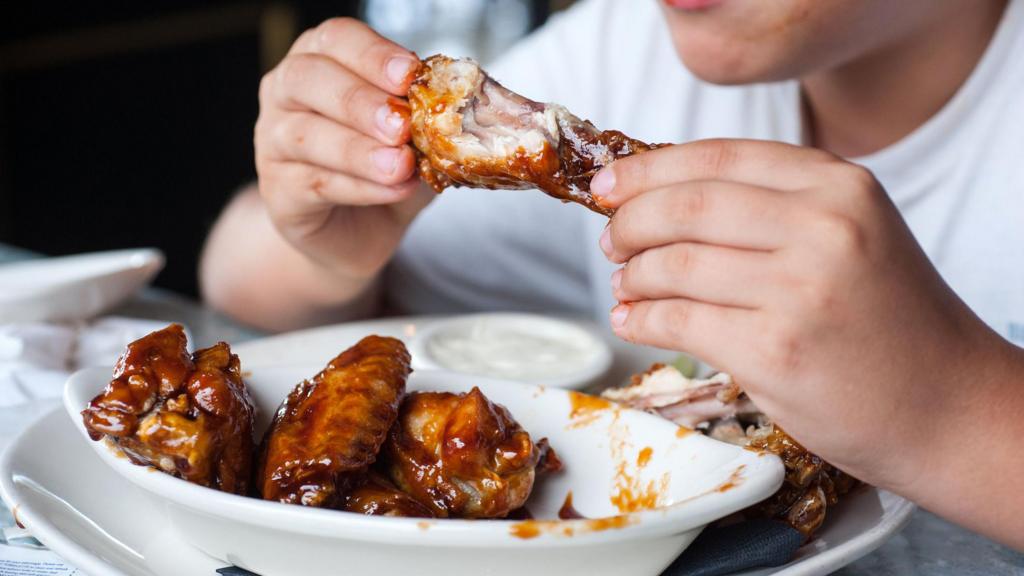
In a move that has sparked fierce controversy among animal welfare groups and consumers, some of the world's largest fast-food chains, including KFC and Nando's, have decided to withdraw from a global pledge to improve the welfare standards of broiler chickens by 2026. This commitment, known as the 'European Chicken Commitment' and backed by over 300 companies across the continent, set specific targets to adopt slower-growing breeds, provide more space and environmental enrichment, and use more controlled stunning methods. The decision by these iconic brands marks a significant shift in the industry's pressure to address ethical concerns in intensive poultry production.
The context for this backtracking lies in a landscape of increasing public scrutiny over industrial farming practices. Over the past decade, organizations like Compassion in World Farming (CIWF) have led campaigns to expose the conditions of overcrowding, unnaturally fast growth rates, and health problems associated with conventional chicken breeds. The Chicken Commitment, launched in 2017, was seen as a direct response to these criticisms, providing a clear roadmap. However, the recent exit of key players suggests that economic challenges, such as food cost inflation and supply chain pressures, are taking precedence over mid-term ethical commitments.
Relevant data indicates the scale of the shift. According to a CIWF report, the withdrawing companies represent a substantial portion of the European chicken market. The original commitment required that by 2026, 100% of chickens raised would meet specific welfare criteria. Slower-growing breeds, for instance, grow at roughly half the speed of conventional ones, reducing problems like leg injuries and heart failure. Abandoning these targets means millions of birds will continue to be raised in systems that activists say cause them unnecessary suffering. The poultry industry argues that such a radical change would increase production costs at a time of financial pressure on consumers.
Statements from the involved parties reflect the deep divide. A spokesperson for KFC's parent company, Yum! Brands, stated: 'We remain committed to animal welfare as a key priority. Our decision to review our involvement in this specific commitment is based on ongoing assessment to ensure we can meet our customers' expectations for quality and affordability.' In contrast, a spokesperson for Compassion in World Farming responded starkly: 'This is a betrayal of chickens and of consumers who expected real progress. These companies are turning their backs on meaningful reform in favor of short-term profits, ignoring overwhelming scientific evidence on animal suffering.'
The impact of this decision is multifaceted. Firstly, it significantly weakens the collective initiative of the Chicken Commitment, potentially encouraging other companies to reconsider their own pledges. Secondly, it erodes consumer trust, as shoppers are increasingly interested in the ethical provenance of their food. Recent surveys show a significant majority of European buyers are willing to pay slightly more for products with higher welfare standards. Finally, it raises questions about the effectiveness of voluntary industry agreements to drive substantial change, suggesting that stricter government legislation may be necessary.
In conclusion, the withdrawal of KFC, Nando's, and other chains from a key chicken welfare pledge represents a worrying turning point in the relationship between the food industry and animal ethics. While companies cite economic pressures and complex supply chains, animal welfare advocates see a broken promise that undermines years of progress. The episode highlights the enduring tension between profitability and corporate responsibility and is likely to reignite public debate about minimum legal standards for farm animal rearing. The future of broiler chicken welfare now appears to depend more than ever on informed consumer choice and the political will to regulate one of the world's largest meat industries.