The worlds of art, photography, and social activism are in mourning. Kwame Brathwaite, the visionary photographer, activist, and pioneer whose images became the visual pillar of the "Black is Beautiful" movement in the 1960s, passed away on April 1 at the age of 85. His death, confirmed by his family and representing gallery, marks the end of an era for a foundational figure who used his lens not only to document but to catalyze profound cultural change.
Born in Brooklyn, New York, in 1938 to a family of Barbadian immigrants, Brathwaite, alongside his brother Elombe Brath, immersed himself in the political and cultural ferment of mid-century Harlem. It was there, in the late 1950s, that he co-founded the African Jazz-Art Society & Studios (AJASS) collective and the famed "Naturally" fashion show in 1962. These spaces were not mere social events; they were political acts of reaffirmation. At a time when Eurocentric beauty standards dominated the media, Brathwaite and his circle radically and elegantly promoted the natural beauty of afro hair, African features, and fashion that celebrated Black heritage.
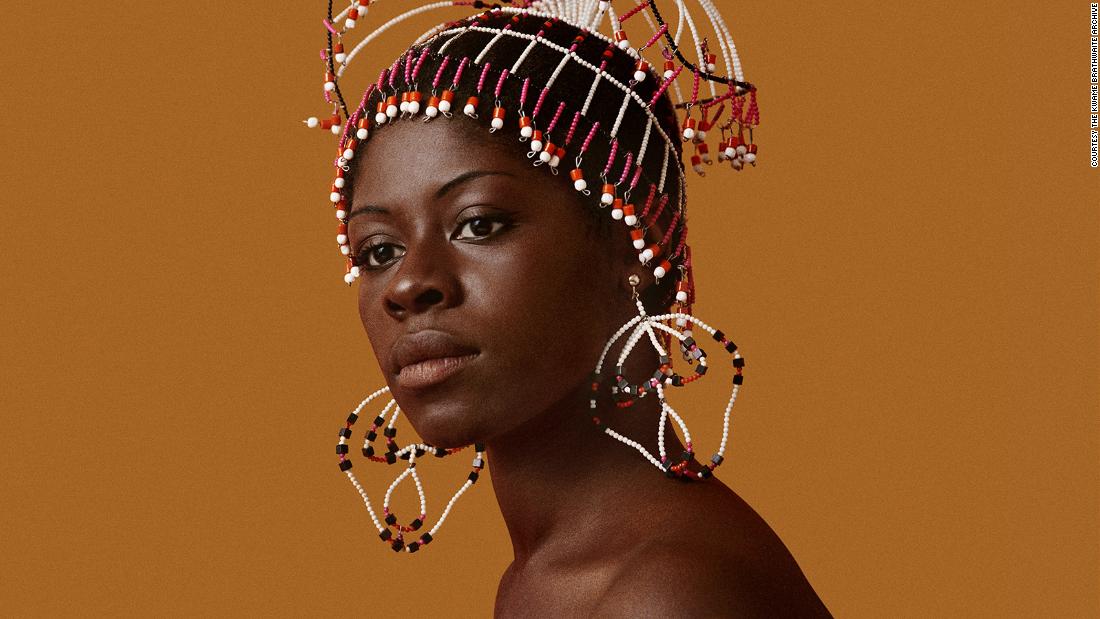
Brathwaite's photographic work is an invaluable archive of this renaissance. His portraits, often in black and white, captured the essence, dignity, and power of his subjects. He did not merely take pictures of models; he created icons. His most famous image is perhaps the 1968 portrait of model Simone with a stunning afro, which became a widely distributed poster and an unmistakable symbol of Black pride. His lens also focused on music giants like Stevie Wonder, Muhammad Ali, and Bob Marley, capturing their charisma from an intimate and respectful perspective. "Kwame understood that the image was power," stated a curator from the Brooklyn Museum recently. "In a society that systematically distorted and belittled the image of Black people, he set out to create a body of work that told the truth: that we were, and are, beautiful, powerful, and complete."
The impact of Brathwaite transcends the photographic frame. His philosophy and practice laid the groundwork for the positive representation of Blackness in fashion, advertising, and entertainment. The "Black is Beautiful" movement he helped visualize was a cultural antidote to discrimination and a crucial component of the struggle for civil rights and Black power. By celebrating Black aesthetics so publicly and beautifully, he directly challenged oppressive canons and empowered a generation to love themselves as they were. His influence is palpable today, from inclusive beauty brand campaigns to the natural hair movement and the growing demand for authentic diversity in all visual media.
Although his name was not as ubiquitous as some of his contemporaries, in recent decades his legacy has been reclaimed and celebrated in major institutions. His work has been exhibited at the Museum of Modern Art in New York (MoMA), the Brooklyn Museum, and the Museum of the African Diaspora, among others. In 2019, "Kwame Brathwaite: Black is Beautiful," the first major monograph dedicated to his work, was published, cementing his place in art history. His death leaves us with a visual archive of resistance and beauty, a permanent testament that the fight for equality is also waged on the terrain of image and self-perception. Kwame Brathwaite did not just capture a movement; with his camera, he helped create it, leaving a legacy that continues to inspire and define what it means to be seen and to see oneself with pride.