A bipartisan group of U.S. lawmakers has leveled a serious accusation against the Department of Justice, claiming the agency has been 'inappropriately' redacting documents related to the late financier Jeffrey Epstein. This action, according to the congressmembers, obstructs transparency and accountability in one of the most notorious sexual exploitation cases of recent decades. The controversy arises amid ongoing efforts to unseal thousands of pages of court records that could reveal the identities of Epstein's associates and alleged accomplices, whose sex trafficking network involved minors and spanned multiple countries.
The context of this dispute dates back to court commitments following Epstein's death in 2019. A federal judge ordered the gradual release of documents related to a defamation lawsuit filed by Virginia Giuffre, one of the lead accusers, against Ghislaine Maxwell, Epstein's former partner and collaborator, who is now serving a 20-year sentence. While several batches of documents have been released, revealing names of prominent figures, lawmakers argue that the redactions applied by the Department of Justice are excessive and lack solid legal justification, potentially protecting individuals who do not deserve such confidentiality.
Relevant data indicates that the documents in question number in the thousands of pages, stemming from federal investigations and civil proceedings. In communications addressed to Attorney General Merrick Garland, legislators have cited specific examples where names of individuals already publicly known through other sources, or whose identities they argue are crucial to understanding the network's scope, have been concealed. 'The persistent opacity undermines public faith that full justice has been served,' stated a senior congressman involved in the oversight. This stance reflects growing frustration on Capitol Hill regarding the handling of Epstein's legacy, a case that has come to symbolize elite impunity.
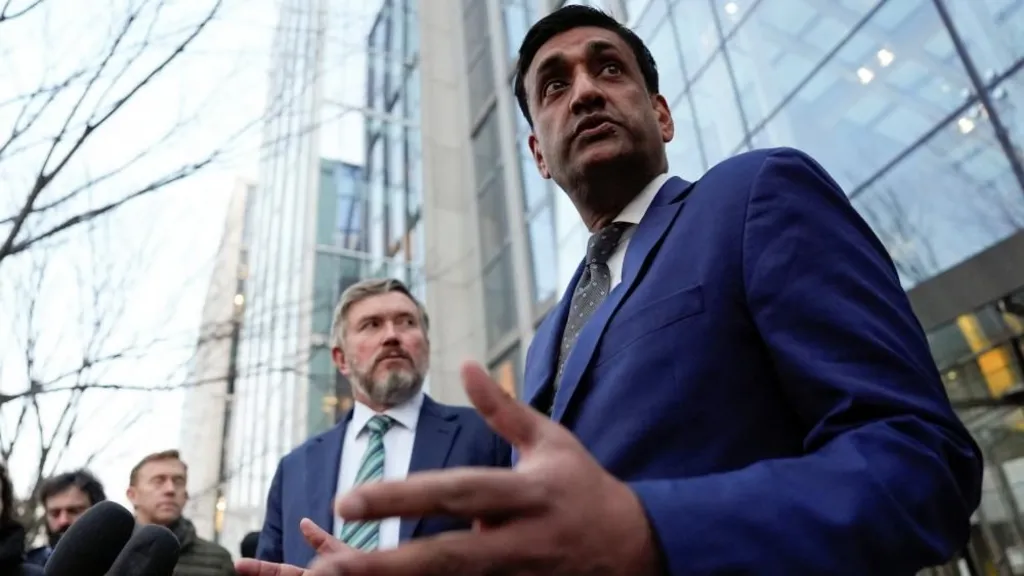
Lawmakers' statements have been forceful. 'The Justice Department appears to be prioritizing the protection of connected powerful interests over the public's right to know the truth,' asserted a representative at a press conference. While the Justice Department has defended its practices, arguing that redactions comply with privacy laws and protect victims and witnesses, critics maintain that the balance has tilted too far toward secrecy. Legal experts consulted note that the dispute highlights the perennial tension between judicial transparency and the protection of unconvicted individuals, a debate especially delicate in cases of high public sensitivity.
The impact of these accusations is multifaceted. Politically, it fuels conspiracy theories and distrust in institutions, making emotional closure difficult for victims. For the judicial system, it raises questions about the integrity of the unsealing process and whether external pressures are influencing decisions. Socially, the Epstein case remains an open wound questioning the ability of power structures to self-regulate and be held accountable for atrocious crimes. Victims and advocacy groups have expressed support for the lawmakers, hoping increased pressure will lead to full disclosure.
In conclusion, the accusation of inappropriate redactions marks a new chapter in the long and tortuous path toward transparency in the Epstein case. As lawmakers promise to continue their oversight, even considering subpoenas or hearings, the Justice Department faces renewed scrutiny over its handling of the files. The outcome of this confrontation will not only determine what more is known about Epstein's network but will also set a precedent for how much light the system can shed on its own failures and the shadows where the powerful operate. The public demand for complete answers remains high, and any perception of a cover-up will only fuel further controversy and institutional distrust.