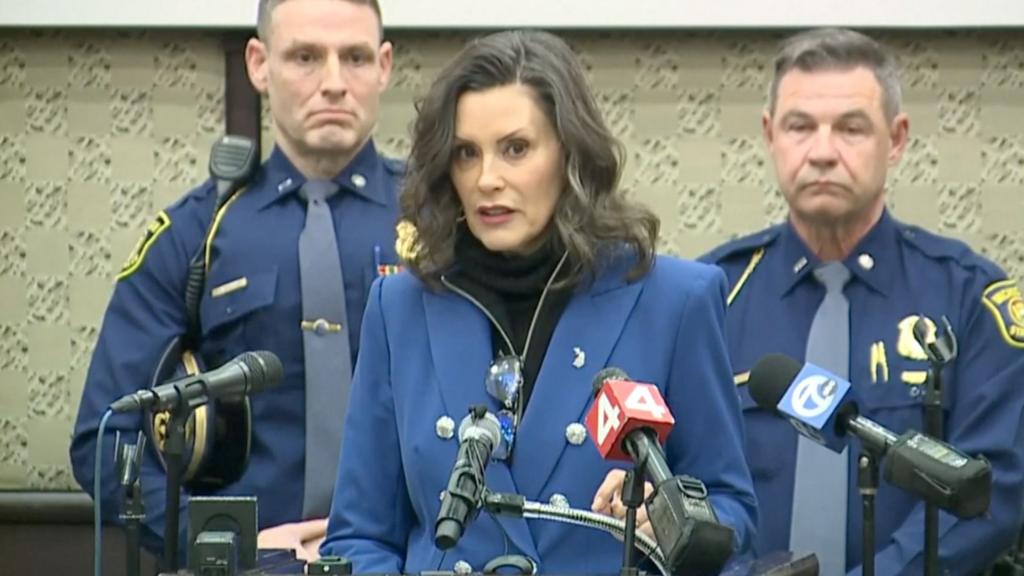
Michigan Governor Gretchen Whitmer addressed the nation with forceful words following the violent attack on a synagogue in the Detroit metropolitan area, calling the incident "hate, plain and simple." The event, which has shocked the local community and sparked a wave of national solidarity, occurred during a religious service when an armed individual burst into the temple with the clear intent to cause harm. Fortunately, the swift intervention of congregants and the subsequent arrival of security forces managed to neutralize the aggressor, averting a tragedy of greater proportions, although at least two minor injuries and an atmosphere of terror among those present were reported.
The context of this attack cannot be separated from the alarming increase in hate crimes and antisemitic rhetoric recorded in the United States in recent years. According to data from the FBI and organizations such as the Anti-Defamation League (ADL), incidents against the Jewish community have experienced a sustained increase, reaching record levels in the last decade. Michigan, in particular, has been the scene of several episodes of intolerance, which has led authorities to reinforce security in places of worship and community centers. This attack occurs at a time of high social and political polarization, where hate speech finds echo in certain sectors of the population and is amplified through social media.
In her statement, Governor Whitmer not only condemned the act itself but also called for unity and collective action. "This is not the time to remain silent. It is the time to raise our voices against hate in all its forms and to protect our communities," stated the Democratic governor. Her words were supported by religious leaders of various faiths, as well as politicians from both parties, who agreed on the need to combat intolerance firmly. The mayor of the city where the attack occurred, for his part, highlighted the resilience of the Jewish community and promised that "the light of hope and solidarity will always overcome the darkness of hate."
The impact of this event transcends the local sphere. It has reignited the national debate on hate crime legislation, security in places of worship, and education in diversity and tolerance. Civil organizations have demanded that Congress approve additional funds to protect religious institutions and strengthen laws that penalize hate incitement. Psychologically, the attack leaves a deep wound in a community that has historically been the target of persecution, generating fear and uncertainty among its members. However, it has also unleashed an unprecedented wave of support, with interfaith vigils and messages of solidarity flooding social media.
In conclusion, the attack on the Michigan synagogue is a grim reminder that hate and intolerance remain very real threats in contemporary society. The firm response from authorities, led by Governor Whitmer, and the community mobilization are encouraging signs that society will not remain passive in the face of such acts. However, the road ahead is long: a sustained effort is required that combines concrete security measures with deep educational and cultural work to eradicate prejudices at their root. As a survivor of the attack rightly stated: "Fear will not paralyze us. It will make us stronger and more united than ever."