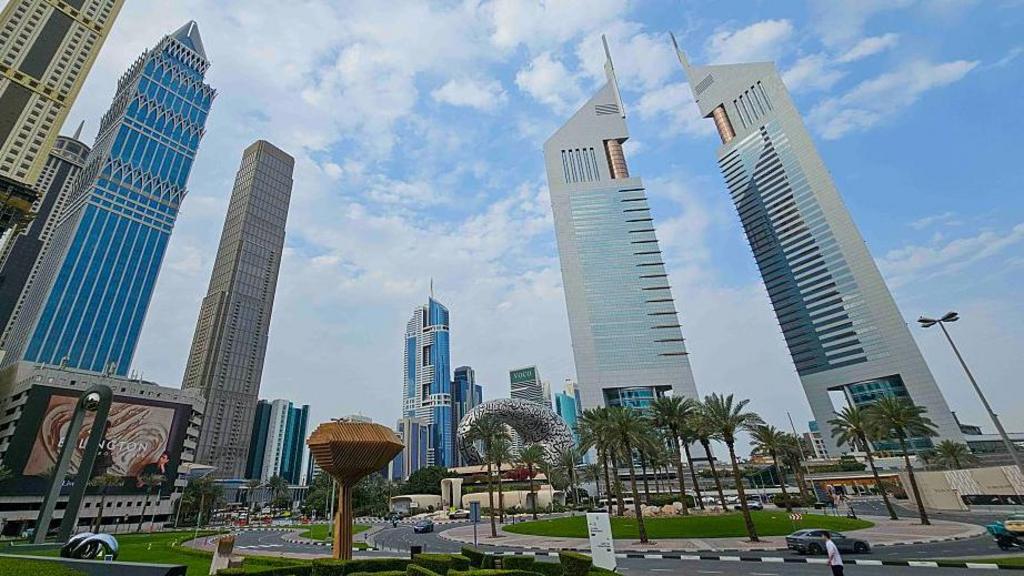
The sudden escalation of geopolitical tensions in the Middle East has triggered an immediate and coordinated response from major global technology companies, which have activated emergency protocols to safeguard their employees and ensure business continuity. Firms like Google, Microsoft, Meta, and Amazon, with significant presence in countries such as Israel, the United Arab Emirates, and Saudi Arabia, have almost simultaneously implemented mandatory remote work policies, temporarily shuttered physical offices, and restricted non-essential business travel to the region. This move reflects a new reality in global corporate management, where geopolitical risks have become a critical operational factor requiring agile and well-rehearsed contingency plans.
The context for this massive corporate response lies in the recent deterioration of security in the region, marked by incidents that have raised alert levels for governments and international bodies. Technology companies, which over the past decade have made significant investments in R&D centers, sales hubs, and regional offices in cities like Tel Aviv and Dubai, now face the challenge of maintaining productivity and innovation while managing an environment of uncertainty. The tech industry is particularly sensitive to such disruptions, as it relies heavily on international collaboration, the free flow of talent, and a stable environment for R&D.
Relevant data indicates that the Middle East and North Africa (MENA) region represents a growing market for technology, with forecasted IT spending exceeding $200 billion annually. Israel, known as the "Startup Nation," hosts crucial R&D centers for giants like Intel, Nvidia, and Apple, in addition to those mentioned. The temporary closure of these facilities, although intended as a precaution, could have a tangible impact on product development cycles and local service delivery. Furthermore, these companies employ tens of thousands of people in the region, whose safety and well-being are now the top priority.
Statements from corporate spokespeople have emphasized the preventive nature of these measures. A Google communiqué stated: "The safety of our employees is our top concern. We have activated our emergency protocols, including remote work for teams in affected areas and a suspension of travel. We continue to monitor the situation very closely." Similarly, a Microsoft representative affirmed: "We are in constant contact with local authorities and are following our global safety guidelines. Our cloud infrastructure and critical services for customers remain operational without disruption." These statements aim to convey control and preparedness to both the internal workforce and global investors and clients.
The impact of this rapid adaptation is multifaceted. In the short term, it tests the resilience of the remote work infrastructures implemented and refined during the COVID-19 pandemic. The ability to switch to a distributed operational mode overnight demonstrates a lesson learned from previous crises. In the medium term, it could accelerate the reevaluation of some companies' physical location strategy, balancing access to talent and markets with exposure to geopolitical risks. For the local tech ecosystem, the temporary withdrawal of the physical presence of these companies could affect collaboration with startups and universities, although the digitization of processes might partially mitigate this effect.
In conclusion, the coordinated response of tech giants to the crisis in the Middle East goes beyond a simple office closure. It represents a case study in the maturity of corporate crisis management protocols in an era of global interdependence and political instability. The ability to protect employees while maintaining essential operations is a testament to the importance of business continuity planning. This event will likely drive additional investment in technologies that facilitate secure remote collaboration and in geopolitical risk intelligence, further integrating these considerations into the core strategy of global corporations. The situation remains fluid, and companies have made it clear that their adaptability will be key to navigating the uncertainty.