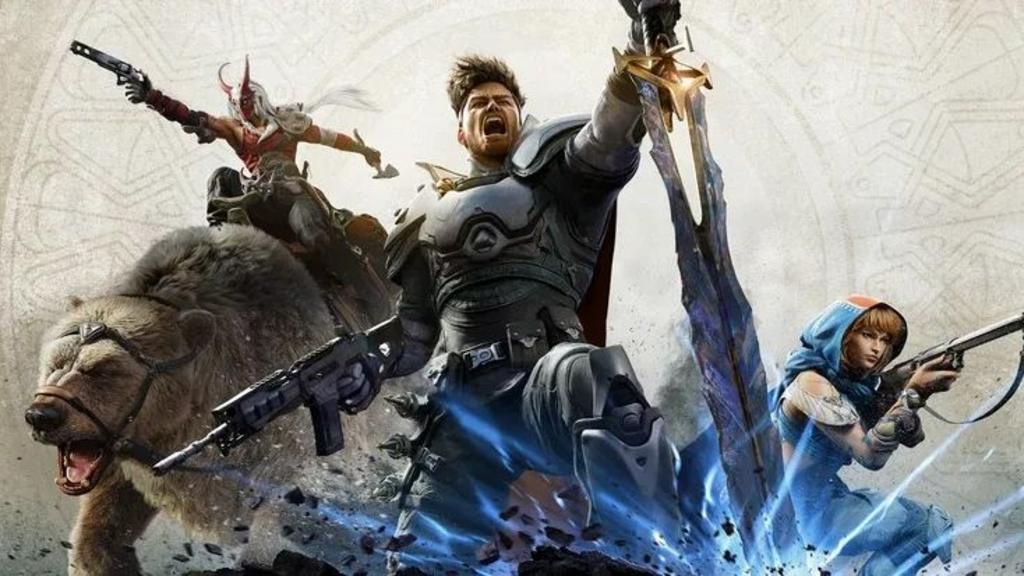
In a move that has rocked the video game industry, the highly anticipated multiplayer role-playing title 'Highguard' has been officially pulled from all digital distribution platforms just three weeks after its release. The decision, announced by independent developer Aether Forge Studios, marks one of the shortest lifecycles for a AAA production video game in recent history, sparking a wave of reactions among players, investors, and industry analysts. The game, which promised an epic fantasy world with large-scale cooperative combat, launched on October 15th with a price tag of $69.99 but was quickly engulfed in a storm of criticism over technical and design issues.
The context for this sudden cancellation lies in the overwhelming volume of negative reviews and catastrophic reception from the community. According to aggregated data from Metacritic, 'Highguard' maintained a user score of 2.1 out of 10, with over 85% of reviews being 'Overwhelmingly Negative'. Players reported a plethora of issues, from connection errors on servers that prevented multiplayer gameplay, to critical bugs causing loss of progress and unexpected application crashes. Furthermore, the game's core design, focused on repetitive quests and a progression system deemed excessively slow and reliant on microtransactions, was widely criticized as 'predatory' and 'out of touch' with modern expectations.
In an official statement published on their website and social media, Aether Forge Studios CEO Marcus Thorne stated: 'This has been one of the most difficult decisions we have made as a studio. We launched 'Highguard' with the vision of creating a memorable experience, but it is clear we did not meet the quality standards our players deserve and that we set for ourselves. After a thorough evaluation, we have determined that the game's fundamental problems would require such a significant restructuring that the most responsible option for our community and our team is to withdraw the game and offer full refunds to all purchasers.' The statement did not mention the studio's future or plans for employees, sparking speculation about potential layoffs.
The financial and reputational impact of this episode is considerable. Aether Forge Studios, which employed a staff of around 150 developers and had invested approximately four years and a budget analysts estimate to be around $40 million in the project, now faces not only the total loss of that investment but also the costs associated with the mass refund process. Platforms like Steam, PlayStation Store, and Microsoft Store typically charge fees for transactions, even on refunds, compounding the loss. For players, while the refund policy is a positive gesture, the disappointment is palpable. Many had invested dozens of hours and, in some cases, additional money on in-game microtransactions, trusting that issues would be fixed with post-launch patches.
This case reignites the debate in the industry about the practice of releasing 'unfinished' games or those with severe technical problems, a phenomenon that has become more common in the era of digital patches. Experts like DFC Intelligence analyst Sarah Jenkins point out that 'Highguard' could become a case study on the limits of consumer patience and the importance of transparency in development. 'Gamers are no longer willing to accept empty promises. A botched launch can kill a franchise or a studio overnight, especially in such a saturated and competitive market,' Jenkins commented. The conclusion is clear: the failure of 'Highguard' serves as a stark warning to other developers about the risks of prioritizing release dates over the quality and stability of the final product. As Aether Forge Studios assesses its future, the industry watches closely, wondering if this event will drive a change towards longer development cycles and more rigorous testing before a game hits the market.