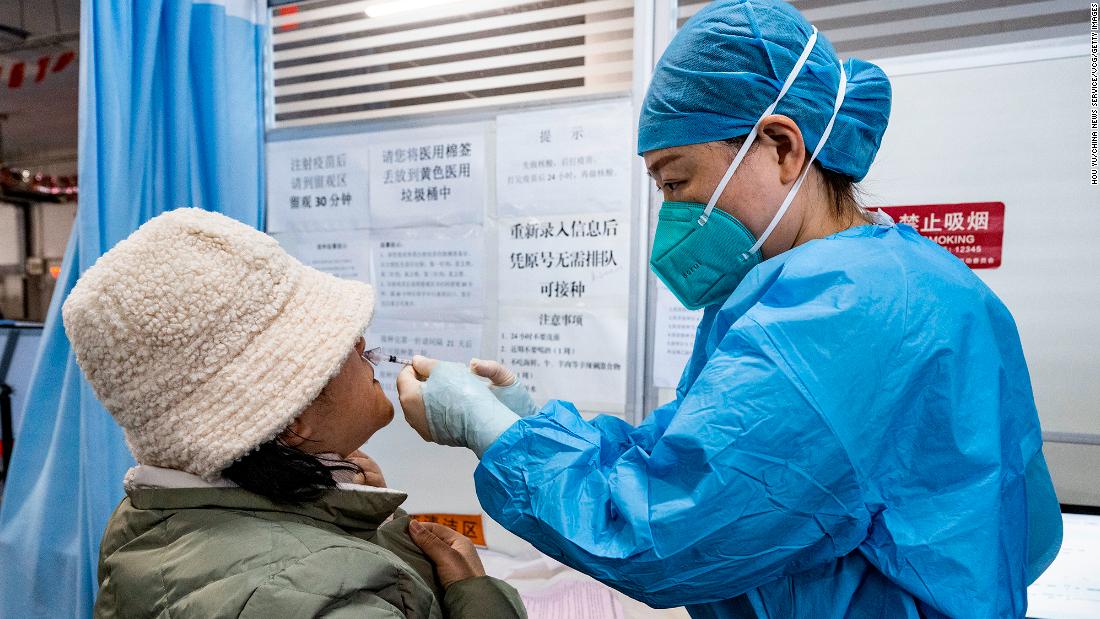
A team of German scientists has announced a significant breakthrough in the fight against Covid-19: the development of a nasal vaccine that, in preclinical studies, has demonstrated the ability to block SARS-CoV-2 infection directly in the upper respiratory tract. This innovative strategy aims to stop the virus at its main point of entry—the nose and throat—before it can establish itself and spread throughout the body, potentially representing a paradigm shift in preventing transmission. The research, led by the Institute of Virology at the University Medical Center Freiburg, focuses on generating potent mucosal immunity at the exact site where infection begins, a goal that current intramuscular vaccines do not optimally achieve.
The context for this development is crucial. Although authorized Covid-19 vaccines have been extraordinarily effective at preventing severe illness, hospitalization, and death, they have a limited capacity to generate sterilizing immunity in the nasal mucosa. This means that while a vaccinated person is well-protected against disease, they can still become infected with the virus and potentially transmit it to others asymptomatically or mildly. The new nasal vaccine aims to overcome this limitation by administering it directly into the nose, training the immune system at the first line of defense. The approach uses a modified viral vector that expresses the SARS-CoV-2 Spike protein, designed to trigger a robust IgA antibody response and localized cellular immunity.
Relevant data, although preliminary and from animal models, are encouraging. In the experiments, animals that received the nasal vaccine showed extremely low or undetectable viral loads in their nasal passages and trachea after being challenged with the virus, compared to control groups. The researchers highlighted the rapid and high production of specific antibodies in the mucosa, creating an effective barrier. "We have observed an almost complete neutralization of the virus in the upper respiratory tract. This is exactly what we need to cut the chains of transmission," explained one of the lead researchers in a preliminary statement. The team is also investigating the breadth of the response against different variants, a critical aspect given the virus's continuous evolution.
The potential impact of this technology is multifaceted. First, it could complement existing vaccination regimens, acting as a mucosal booster that blocks infection and transmission. This would be especially valuable in high-risk settings such as nursing homes, hospitals, and during mass events. Second, nasal administration is less invasive, could increase vaccine acceptance in certain groups, and simplify logistics processes, as it does not require needles or specialized medical personnel for administration. Finally, if proven effective, this approach could set a precedent for developing vaccines against other respiratory pathogens like influenza or Respiratory Syncytial Virus (RSV).
The conclusion, for now, is one of cautious optimism. Scientists emphasize that this is preclinical-stage research and that human clinical trials are needed to confirm safety and efficacy. The path to possible regulatory approval is long and filled with rigorous evaluations. However, the advance underscores the vitality of scientific research in the search for more comprehensive tools to control the pandemic. As the SARS-CoV-2 virus continues to circulate, the development of strategies that not only protect the individual from severe disease but also drastically reduce community transmission remains a top public health priority. This work from Germany adds a promising piece to that complex puzzle.