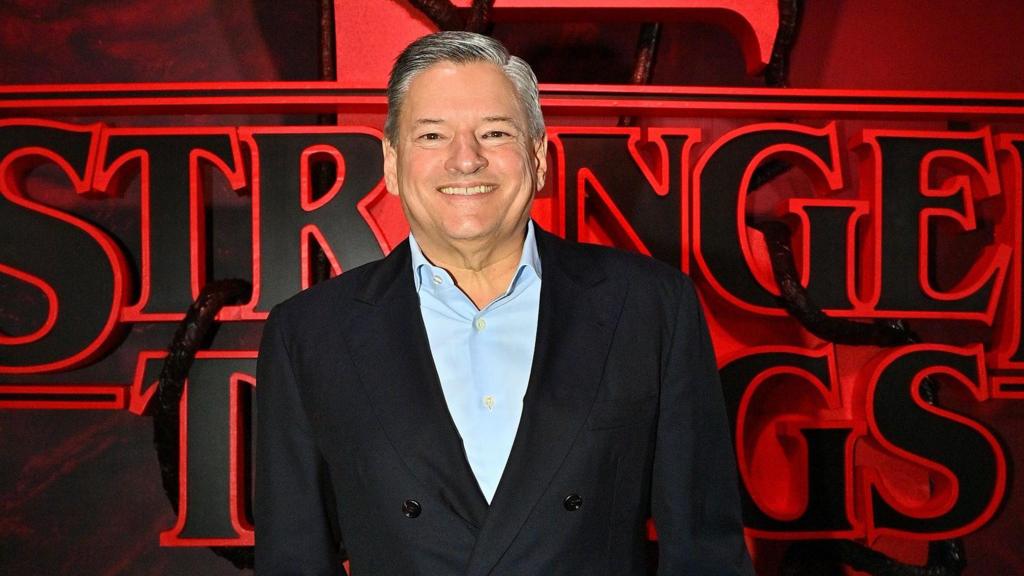
In a statement that has stirred the waters of the entertainment industry, Netflix CEO Ted Sarandos has publicly defended the company's interest in exploring a potential acquisition of Warner Bros. Discovery assets. This maneuver comes at a crucial moment, as the deadline for Paramount Global to evaluate merger or acquisition offers rapidly approaches, setting up a complex corporate chessboard. The convergence of these two potential processes signals a historic inflection point for Hollywood, where consolidation has become the predominant strategy to compete in the streaming era.
The context for this situation is an industry in deep transformation. Following the initial frenzy of traditional studios launching their own streaming services, many companies face a reality of high content costs, stagnant subscriber growth, and profitability pressures. Warner Bros. Discovery, formed by the merger of AT&T's WarnerMedia and Discovery Inc., has been grappling with significant debt and a streaming strategy (Max) seeking its place against giants like Netflix and Disney+. In parallel, Paramount Global, owner of Paramount Pictures, CBS, and Pluto TV, has been the subject of intense speculation about its independent future, with deadlines for formal bids placing the company at the center of acquisition rumors.
Sarandos, in remarks during an earnings call with investors, argued that scale and content library are determining factors for long-term survival. "Our goal has always been to deliver the best value and greatest variety to our members globally," the executive stated. "Evaluating strategic opportunities that strengthen our ability to tell great stories and reach new audiences is not just an option, it's a responsibility to our shareholders." While not confirming a formal bid for Warner Bros., his defense of the strategic logic behind such a move was interpreted by analysts as a clear signal of serious interest.
Financial data underscores the urgency. Warner Bros. Discovery is estimated to have debt hovering around $45 billion, while its Max service reported some 97 million global subscribers at the end of the last quarter. Netflix, for its part, exceeds 260 million paid subscribers worldwide. A merger would undoubtedly create the largest streaming player by subscriber volume and an unprecedented content library, combining franchises like "Harry Potter," "DC Comics," and "Stranger Things" under one corporate roof. However, regulatory challenges would be formidable, requiring approvals in multiple jurisdictions.
The impact of these potential consolidations is multifaceted. For consumers, it could mean greater concentration of premium content on one or two platforms, but it could also reduce competition and potentially increase subscription prices in the long run. For the creative industry, it generates anxiety about the future diversity of voices and projects, as mega-mergers are often accompanied by cost-cutting and production rationalization. Employees at all involved companies face a period of uncertainty regarding restructuring and potential layoffs.
Meanwhile, the clock is ticking for Paramount. It is reported that the special committee of its board of directors is evaluating preliminary offers from several interested parties, including a consortium led by Skydance Media and private equity firm RedBird Capital, as well as possible interest from entertainment giant Apollo Global Management. A Netflix bid for Warner Bros. could drastically alter the landscape, deterring other Paramount bidders or, conversely, accelerating a race to acquire the last remaining major independent studios.
In conclusion, Sarandos's public defense is more than a simple corporate statement; it is a strategic move designed to prepare the market, regulators, and the audience for a new and possibly final major wave of consolidation in entertainment. The outcome of these critical weeks will redefine Hollywood's power structure for the next decade, deciding whether the future of streaming will be dominated by a handful of super-conglomerates or if a degree of plurality will remain. The race for content and global scale has entered its most decisive and dizzying phase.