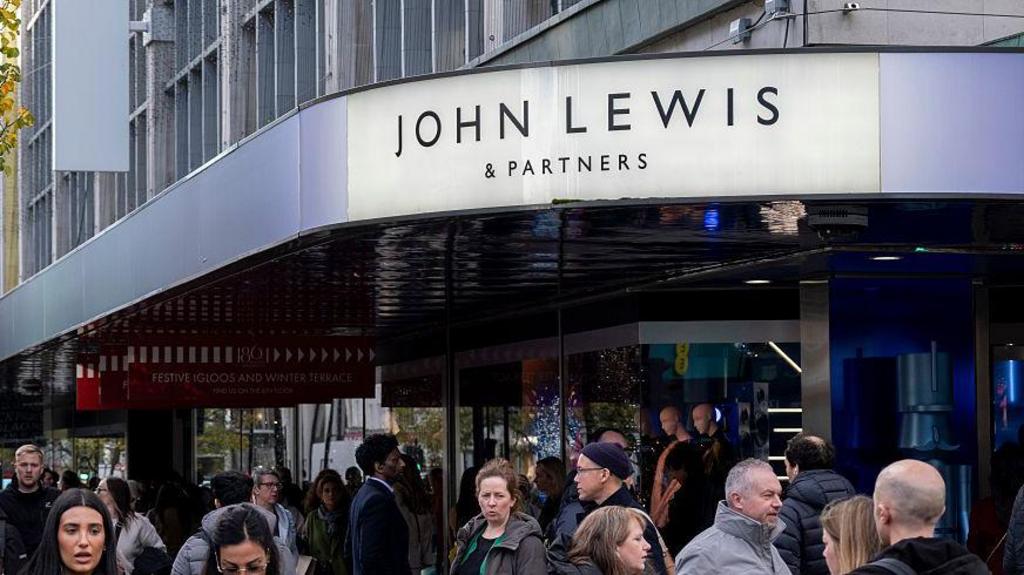
The British retail group John Lewis Partnership has officially announced its withdrawal from the housebuilding business, ending an ambitious plan launched in 2020 to build 10,000 homes on its land. This decision marks a significant setback for the company's diversification strategy. Known for its department stores and Waitrose supermarkets, the partnership had sought to reduce its reliance on the volatile retail sector. The news comes at a time of deep uncertainty for the UK housing market, affected by high interest rates and an economic slowdown.
The original plan, announced with great fanfare nearly four years ago, aimed to convert land parcels owned by the partnership—including parking lots and warehouses—into high-quality residential communities. The vision was to create a new long-term revenue stream and help address the country's affordable housing crisis. However, the company has faced a series of obstacles, from the complexity of the planning and permitting process to the soaring costs of construction and materials following the pandemic and the war in Ukraine. Volatility in the mortgage market has also cooled demand, making the project unviable in its initial form.
Dame Sharon White, Chairman of the John Lewis Partnership, stated in an official communication: "We have made the difficult decision not to proceed with our housing building plan. While we still believe in the long-term potential of this sector, current market conditions and operational challenges mean it is not the right time for our business. Our primary focus must remain on our core retail business." The company has not provided details on the financial losses associated with the aborted project, but analysts estimate that several million pounds have been invested in feasibility studies, consultancy, and design.
The impact of this decision is multifaceted. For John Lewis, it represents a strategic retreat to its core business at a time when the chain is struggling to return to profitability after years of losses. For the UK housing market, it is another sign of the caution prevailing among major investors, which could further slow the development of new homes in a country with a chronic shortage. Local communities that were anticipating new developments on John Lewis land will also be affected, losing potential investment and jobs.
Industry experts have reacted to the news. Sarah Coles, an analyst at Hargreaves Lansdown, commented: "John Lewis's exit from the building sector is symptomatic of an extremely difficult environment. Costs have skyrocketed, financing is more expensive, and buyer demand is weak. This will deter other new entrants from coming into the market." On the other hand, some critics argue that the plan was always too ambitious for a company with no prior experience in large-scale property development.
In the long term, this episode raises questions about the ability of major retail corporations to successfully diversify into radically different industries. John Lewis has said it will now explore "alternative options" for its land assets, which could include sales, leases, or more modest joint development projects. The conclusion is clear: in the current economic climate, even the best-intentioned plans must yield to the hard reality of balance sheets. The partnership's immediate priority will be to stabilize its retail operations and regain the confidence of its partner-owners and customers.