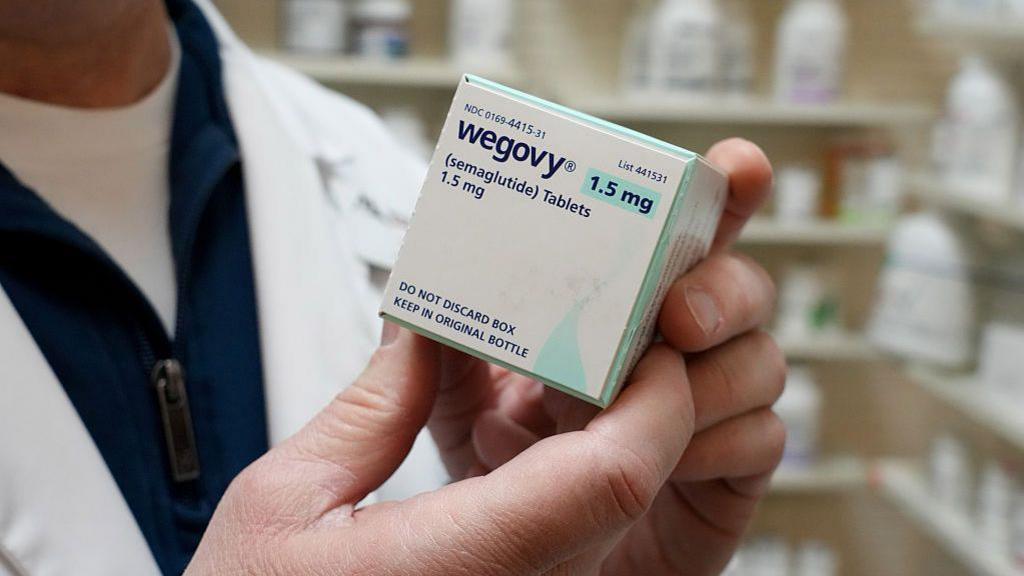
In a move that escalates the legal battle in the lucrative weight-loss drug market, Danish pharmaceutical giant Novo Nordisk has filed a lawsuit against digital health company Hims & Hers Health, Inc. The complaint, filed in a U.S. federal court, accuses Hims & Hers of infringing patents related to GLP-1 class medications, specifically for offering compounded versions of semaglutide, the active ingredient in Novo Nordisk's blockbuster drug Wegovy. Novo Nordisk alleges that Hims & Hers' offerings constitute 'knock-off' products that undermine its intellectual property rights and could confuse consumers.
The backdrop of this dispute unfolds amid unprecedented global demand for GLP-1 class obesity and diabetes medications, led by Novo Nordisk's products, Wegovy and Ozempic. These injectables have generated billions in revenue and transformed the obesity treatment landscape. However, supply shortages have created a secondary market for compounded versions of semaglutide, where specialized pharmacies mix the ingredient to create custom formulations. Hims & Hers, a company connecting patients with healthcare providers and medications online, has moved into this space, offering access to compounded weight-loss drugs as part of its subscriptions.
Novo Nordisk argues in its court filings that its patents cover the use of semaglutide for treating obesity and that Hims & Hers' activities directly infringe these rights. The pharmaceutical giant is seeking a court order to halt the sale of these compounded products, as well as monetary damages. 'Novo Nordisk has invested billions in the research, development, and commercialization of its innovative therapies,' a company spokesperson stated. 'Protecting our intellectual property is critical to continuing innovation and ensuring patients have access to safe, effective, and quality-regulated medicines.'
In response, Hims & Hers has labeled the lawsuit a 'blatant attack' on competition and consumer access. In a statement, the company argued that its compounded medications are legal, prepared in registered 503B compounding pharmacies, and provide a vital alternative in a market plagued by severe shortages. 'This lawsuit is a clear attempt by a pharmaceutical giant to stifle competition and maintain high prices, limiting options for the millions of Americans seeking weight care,' a Hims & Hers representative asserted. The company indicated it intends to vigorously defend against the allegations.
The impact of this litigation extends far beyond the two companies. It could set a crucial precedent for the entire compounding pharmacy industry and the growing telemedicine sector offering weight-management medications. A victory for Novo Nordisk could severely restrict the availability of compounded semaglutide versions, further consolidating the company's market dominance and potentially keeping prices high. Conversely, if Hims & Hers prevails, it could validate an alternative business model that increases competition and access, but would also raise questions about the regulatory and safety equivalence between patented and compounded products.
Furthermore, the case highlights broader tensions in the U.S. healthcare system between pharmaceutical innovation, patent protection, affordability, and access. With Wegovy's price exceeding $1,300 per month without insurance, pressure for lower-cost alternatives is intense. Regulators, including the Food and Drug Administration (FDA), have issued warnings about the potential risks of compounded semaglutide products, as they are not subject to the same rigorous review process as approved drugs. This litigation will likely fuel the debate on how to balance these competing interests.
In conclusion, Novo Nordisk's lawsuit against Hims & Hers marks an aggressive turning point in the commercialization of GLP-1 therapies. It is not merely a technical legal dispute over patents; it is a struggle for control of a market worth tens of billions of dollars and for the future definition of access to obesity medications. The outcome will shape the strategies of other pharmaceutical companies, telemedicine firms, and compounding pharmacies, and will have direct implications for patients seeking weight-loss treatments. The case is likely to be long and complex, with both sides prepared for a significant legal battle that will be closely watched by the entire healthcare industry.