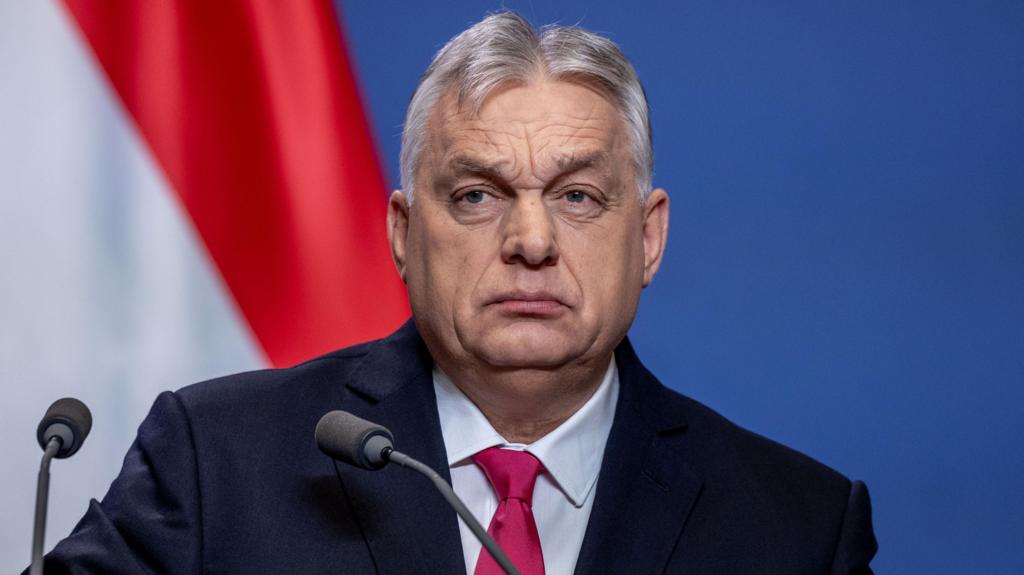
Hungarian Prime Minister Viktor Orbán has leveled a serious accusation against Ukraine, claiming the neighboring country is deliberately disrupting oil supplies to Hungary. These statements, made during a press conference in Budapest, add a new layer of tension to the already complex relationship between the two nations, marked by disagreements over the war and European Union energy policy. Orbán, known for his skeptical stance towards Western sanctions on Russia, argues that Ukrainian actions are jeopardizing Hungary's energy security at a critical time.
The context of this accusation lies in Hungary's deep energy dependence on Russia, a relationship Orbán's government has defended and cultivated despite pressure from Brussels. The main supply route for Russian oil to Hungary is the Druzhba (Friendship) pipeline, which transits through Ukraine. Any interruption or technical issue in this critical corridor has a direct and immediate impact on Hungarian refineries and, by extension, the domestic market. Ukrainian authorities, for their part, have vehemently denied the accusations, attributing any potential fluctuations in flow to routine technical maintenance or the indirect consequences of Russian attacks on Ukraine's energy infrastructure.
"We cannot accept that a country, with which we share a border and from which we expect cooperation, takes measures that intentionally harm our energy supply," Orbán declared. "The security of our citizens comes first, and ensuring a stable energy flow is a matter of national security." Although he did not provide concrete documentary evidence in his public address, his government suggested there are "indications" that the disruptions are not merely technical. Energy experts in the region note that Ukraine does indeed have the physical capability to interrupt or divert flows through its territory, a power that has been used as a geopolitical lever in past disputes over transit fees.
The impact of these accusations extends beyond the bilateral relationship. It comes at a time of intense debate within the EU about future policy towards Ukraine, the renewal of sanctions on Russia, and the pursuit of energy independence. Hungary, under Orbán's leadership, has been the most reluctant member to impose full energy sanctions on Moscow, arguing they would devastate its economy. This new dispute could be used to reinforce his narrative that supporting Ukraine carries direct costs for Hungarian stability, further complicating European cohesion. Markets reacted cautiously, with regional crude prices showing slight volatility on the prospect of a new disruption to traditional flows.
In conclusion, Orbán's accusation is more than a simple complaint about supplies. It is a calculated political move that reflects and amplifies existing fractures in Europe regarding the war in Ukraine. By positioning Hungary as a victim of Kyiv's actions, Orbán seeks to legitimize his independent and pro-Russian stance on foreign and energy policy. As Ukraine fights to defend its sovereignty, it must also navigate complex dynamics with skeptical neighbors like Hungary, where logistical cooperation is intertwined with political distrust. Resolving this dispute will require not only technical verification but also difficult diplomatic dialogue amid a much larger conflict.