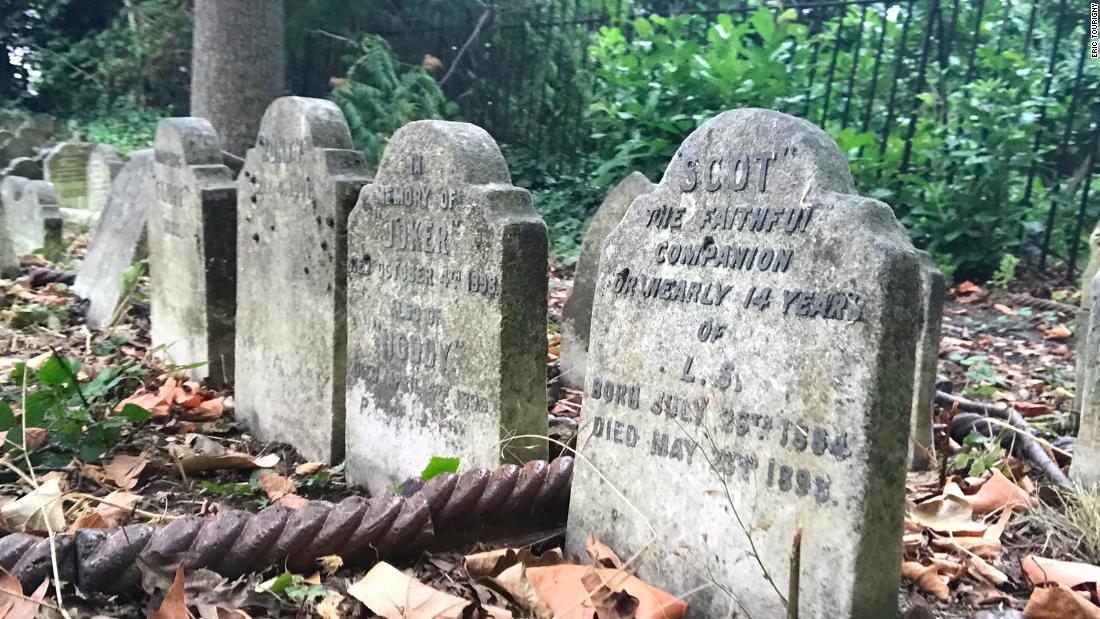
In a quiet corner, away from urban bustle, granite headstones bearing names like "Max," "Luna," or "Simba" line up under the shade of trees. These are not memorials for humans, but for pets. Pet cemeteries, a practice dating back thousands of years but which has gained modern social complexity, function as a profound mirror of our humanity. More than a simple final resting place, these sacred spaces for non-humans illuminate the psychological needs, emotional bonds, and cultural rituals that define what it means to be human. The practice of burying loved ones, now extended to our animal companions, serves a primary purpose: to offer survivors a tangible process for grief and the search for closure.
The historical context of pet burials is surprisingly ancient and universal. In ancient Egypt, cats were mummified and buried with honors. In Ashkelon, Israel, a cemetery of over 1,000 dogs was discovered, dated 2,500 years old, where each animal was carefully placed in its own grave. However, the modern pet cemetery, as a formal institution, emerged in the Victorian era. The Hyde Park Pet Cemetery in London, founded clandestinely in 1881, is considered the first of its kind in the Western world. Its existence, initially a secret, reflected a social tension between private love for animals and public norms that considered pets as property. Today, this practice has become normalized and professionalized, with pet funeral homes, personalized headstones, memorial services, and artistic urns, generating a global industry worth billions.
Data reveals the scale of this phenomenon. In the United States, it is estimated that there are over 700 dedicated pet cemeteries. According to the International Association of Pet Cemeteries and Crematories (IAOPC), a significant percentage of owners opt for some form of formal disposition after their animal's death, be it burial in a cemetery, cremation with ash preservation, or burial on private property. A study published in the journal "Anthrozoös" notes that for 85% of owners, their pet is considered a family member. This perception is the emotional engine that turns a logistical act into a grieving ritual. "The cemetery is not for the animal that left; it is for the human who remains," explains Dr. Elena Martínez, a social anthropologist at the University of Barcelona. "It provides a physical locus for pain, a place where the bond, now invisible, can be materially recognized and honored. In a society that often rushes grief, these spaces give permission to mourn a non-human loss with the same solemnity."
The psychological and social impact is profound. The rituals in pet cemeteries—from placing flowers to celebrating "birthdays" at the headstone—are coping mechanisms. They facilitate the stages of grief: denial, anger, bargaining, depression, and acceptance, giving them concrete expression. For many, especially those without children or with limited social networks, the loss of a pet can be as devastating as that of a human family member. Cemeteries offer a community space where that pain is validated. "Here, no one tells me 'it was just a dog,'" comments Carlos, a regular visitor to an animal burial ground on the outskirts of Madrid. "Here, we all understand that I have lost my best friend." Furthermore, these places challenge traditional boundaries between human and animal, raising ethical and philosophical questions about the value of life and the right to grieve.
The conclusion is clear: pet cemeteries are microcosms of our humanity. They reveal our innate need for ritual, our capacity to love beyond our species, and our perpetual search for meaning in the face of death. They demonstrate that grief is a universal process that does not discriminate based on the source of loss. By creating and maintaining these sacred spaces for animals, humans are not simply burying a pet; we are affirming the depth of our bonds, the authenticity of our emotions, and our need for narratives that give meaning to existence. Ultimately, the care with which we treat our deceased companions speaks less about them and more about us: about our compassion, our memory, and our resilience in finding beauty and connection even in loss. The pet cemetery, therefore, is a monument to the human capacity to love, suffer, and remember.