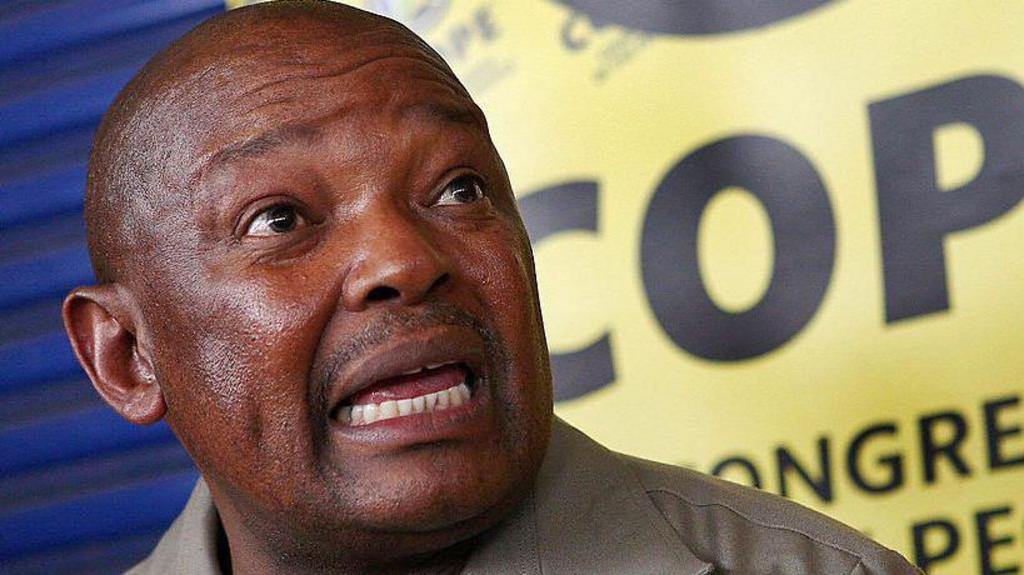
South Africa's political landscape has been shaken by the passing of one of its most emblematic historical figures: the former Defence Minister and veteran anti-apartheid struggle hero, who has died after a long trajectory of public service. The news, confirmed by family and government sources, marks the end of an era for a country still navigating the complexities of its past and present. The deceased, whose name has become synonymous with resistance and subsequent reconstruction, spent years as a political prisoner at the notorious Robben Island prison, sharing captivity with figures like Nelson Mandela, before rising to one of the most important cabinet posts in democratic South Africa.
His life encapsulates the broader narrative of the struggle for freedom in South Africa. Born in an era of deep racial segregation, he joined the African National Congress (ANC) in his youth, dedicating his life to dismantling the oppressive apartheid system. His activism led to his arrest, trial, and eventual imprisonment on Robben Island, a formative experience that, by his own account in numerous interviews, forged his character and his unwavering commitment to non-violence and national unity. Following his release and the collapse of apartheid, he became a key figure in the transition, helping to forge the new South African National Defence Force (SANDF) from previously warring armies.
As Minister of Defence, his tenure was characterized by efforts to professionalize the armed forces and orient them towards peacekeeping missions on the African continent. Under his leadership, South Africa played a crucial role in peacekeeping operations in places like the Democratic Republic of Congo and Burundi. "He was an architect of our national defence and a bridge between the past of struggle and the future of hope," a presidential spokesperson stated in an official communication. Data from the Institute for Security Studies indicates that during his tenure, defence spending stabilized and security sector reform was prioritized, although he also faced criticism for South Africa's involvement in international conflicts.
The impact of his passing resonates beyond South African borders. Continental leaders and international organizations have expressed their condolences, highlighting his role as an African statesman. His legacy is particularly relevant in South Africa's current context, a nation facing economic challenges, persistent inequality, and debates about the ANC's direction. Political analysts suggest his death symbolizes the gradual passing of the 'struggle' generation that led the transition, raising questions about who will inherit his ethos of service and unity. His life serves as a powerful reminder of the cost of freedom and the responsibilities of post-liberation governance.
In conclusion, the departure of this former minister and former Robben Island prisoner is not just the loss of an individual, but the closing of a vital chapter in South African history. His journey from a prison cell to the cabinet room embodies the triumphs and tensions of South African democracy. As the nation mourns, it also reflects on the values he fought for: reconciliation, integrity, and an unwavering commitment to a better future for all South Africans. His story will continue to inspire generations to come, serving as a beacon of the power of resilience and selfless service.