In a significant escalation of tensions on the northern border, Israel has issued an urgent evacuation order for civilian residents in large parts of southern Lebanon. The warning, disseminated through leaflets and official communication channels, urges people to leave their homes immediately, signaling the intention of the Israel Defense Forces (IDF) to intensify military strikes in the region. This move comes amid near-daily cross-border fire between Israel and the Iranian-backed militant group Hezbollah, which has turned the frontier into a tinderbox since the onset of the Gaza conflict last October.
The context for this order is a spiral of violence that has been escalating for months. Following Hamas's attack on Israel on October 7, Hezbollah launched a campaign of rocket, mortar, and drone attacks against northern Israel, declaring it an act of "solidarity" with Palestinians in Gaza. Israel has responded with airstrikes and artillery fire against Hezbollah positions in southern Lebanon. According to UN data, the clashes have displaced over 90,000 people on the Lebanese side and around 60,000 on the Israeli side, creating a desolate buffer zone. The new evacuation order suggests Israel is preparing for broader, more forceful ground or air operations, possibly with the stated aim of creating a deeper exclusion zone to push Hezbollah away from the border.
Relevant data indicates the fighting has taken a heavy toll. Lebanese sources report over 300 deaths, mostly Hezbollah fighters, but also including more than 50 civilians. On the Israeli side, the IDF has confirmed the deaths of 18 soldiers and 10 civilians. Infrastructure on both sides of the border has sustained significant damage. The current evacuation order covers areas including towns and villages south of the Litani River, a densely populated region where Hezbollah has significant entrenchment. Military analysts note that a large-scale attack in this area could trigger a full-scale war between Israel and Hezbollah, a conflict both sides have so far sought to avoid but which now appears increasingly likely.
Statements from both sides reflect the gravity of the situation. An Israeli military spokesman stated: "We urge all civilians in southern Lebanon to evacuate immediately for their own safety. The IDF will proceed with decisive operations against Hezbollah's terrorist infrastructure in the region." In response, a senior Hezbollah commander, quoted by the group's affiliated Al-Manar media, said: "Any expanded aggression will be met with a fierce and unprecedented response. Our fingers are on the trigger." The international community has expressed deep concern. UN Secretary-General António Guterres warned that "a miscalculation could lead to a broader conflict with devastating consequences for the region."
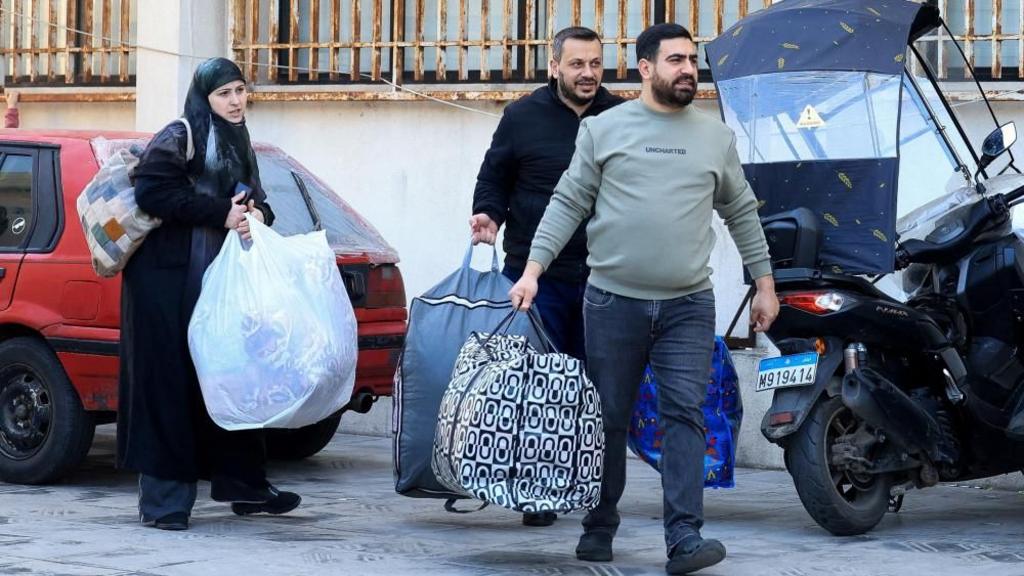
The impact of this evacuation order is immediate and severe from a humanitarian standpoint. UN agencies and non-governmental organizations in Lebanon are preparing for a new wave of internally displaced persons, in a country already hosting over one million Syrian refugees and suffering a paralyzing economic crisis. Lebanon's healthcare systems, already on the brink of collapse, could be overwhelmed. Regionally, the risk of a two-front war for Israel is a real possibility, which would test its military capabilities and have profound geopolitical repercussions, potentially involving Iran and its allies across the region. Global energy markets are also on alert, as an open conflict could threaten stability in the Eastern Mediterranean.
In conclusion, Israel's evacuation order for southern Lebanon marks a dangerous turning point in a low-intensity conflict that has been simmering for months. It is a clear ultimatum preceding what is likely to be an intensified military campaign. While Israel's tactical objective may be to neutralize the immediate Hezbollah threat, the strategy carries an enormous risk of uncontrolled escalation. The window for diplomacy is closing rapidly, and the world watches with apprehension to see whether the involved actors will choose restraint or embark on a path that could redefine conflict in the Middle East, with incalculable humanitarian costs and a peace that seems more distant than ever.