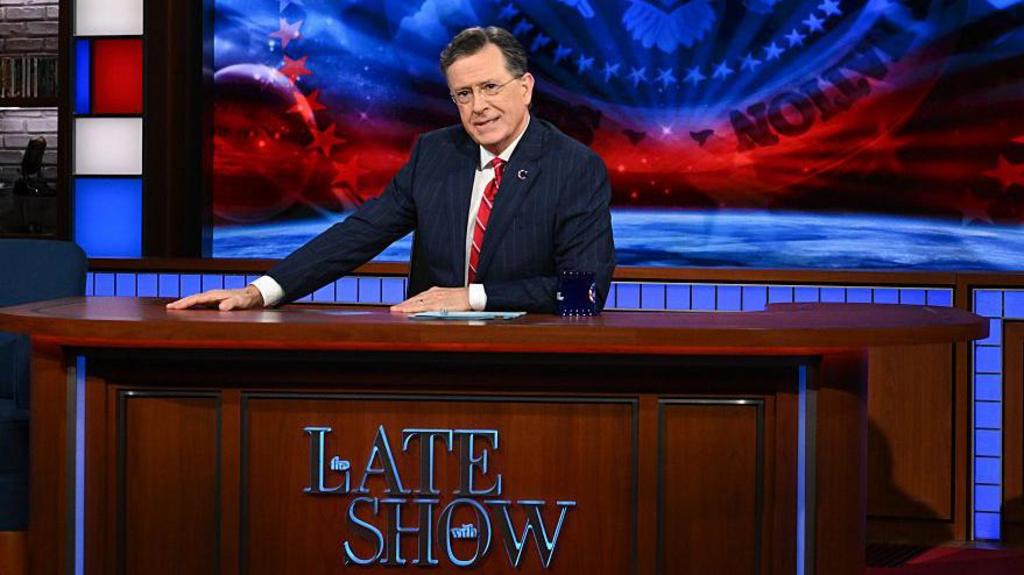
Late-night host Stephen Colbert has ignited a media firestorm by revealing that CBS, the network that owns his show, allegedly censored an interview with a Democratic lawmaker over fears of repercussions from the Federal Communications Commission (FCC). According to Colbert, the interview with Vermont Senator Bernie Sanders was recorded but never aired due to internal pressures related to the FCC's stringent fairness regulations that could be applied to broadcast networks. This incident highlights the tensions between journalistic free speech, the corporate interests of major networks, and the regulatory framework governing media in the United States.
The context of this revelation comes at a time of intense debate over media neutrality and the influence of government regulation on news coverage. The FCC, as an independent agency of the U.S. government, has the authority to enforce rules like the now-defunct Fairness Doctrine, repealed in 1987, which required broadcasters to present controversial issues in a balanced manner. Although this doctrine is no longer in effect, its legacy and the fear of potential fines or license reviews still weigh on the editorial decisions of networks, especially in a polarized political climate.
Colbert made these statements during a taping of his show, stating: 'There was an interview we recorded, with a very important guest, that never saw the light of day. I was told it was too risky, that it could bring trouble with the FCC.' While he did not initially name the guest, sources close to the program later confirmed it was Senator Bernie Sanders, known for his progressive stances and criticism of corporate establishment. Sanders, for his part, has stated through a spokesperson: 'It is unfortunate that major media outlets limit democratic debate out of fear of obsolete regulations. The public deserves to hear all voices.'
The impact of this revelation is multifaceted. First, it questions the editorial independence of late-night entertainment programs, which often tackle political issues with an influential satirical tone. Colbert's 'The Late Show' is watched by millions of viewers and has become a key platform for political figures. The censorship of an interview with a Democratic leader suggests that networks prioritize regulatory safety over bold journalism. Additionally, it reignites the debate on the need to reform the FCC and clarify its powers, to prevent fear of retaliation from stifling press freedom.
Communication experts like Professor Elena Martínez from Columbia University point out: 'This case exemplifies the self-censorship practiced by major media corporations. The specter of the FCC, even with less strict rules today, remains a deterrent for content deemed politically sensitive.' Data from the Pew Research Center indicates that 65% of Americans distrust media impartiality, and episodes like this could further erode that trust.
In conclusion, Stephen Colbert's allegation is not just a television scandal but a symptom of deeper problems at the intersection of media, politics, and regulation. While CBS merely states that it 'makes editorial decisions based on multiple factors, always complying with the law,' the controversy underscores the need for transparency in content management and a public dialogue on how to ensure media serves democratic interests without fear of unwarranted retaliation. The incident could spur calls for congressional hearings or a review of the FCC's authority, marking a turning point in the fight for free speech in the era of media consolidation.