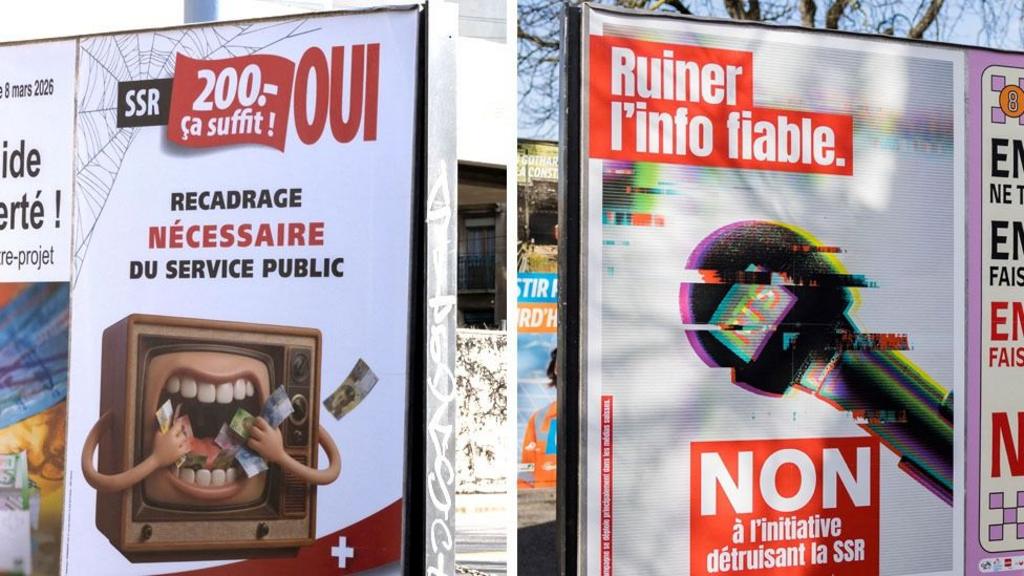
Swiss citizens are heading to the polls to decide the fate of their iconic public broadcasting service. A popular initiative, spearheaded primarily by the right-wing Swiss People's Party (SPS), aims to drastically slash the mandatory licence fee that funds the Swiss Broadcasting Corporation (SRG SSR). The proposal, known as "No Billag", advocates for abolishing the current reception fee of 365 Swiss francs per household per year, which amounts to approximately 1.3 billion francs annually, and replacing it with a voluntary and partially state-funded model. This referendum, scheduled for next month, has sparked an intense national debate about the value of independent journalism, cultural cohesion in a multilingual country, and the limits of state intervention in media.
The context of this vote is part of a growing wave of skepticism towards traditional public media, a phenomenon observable in several European countries. Proponents of the initiative argue that the fee is an unfair and obsolete tax in the digital age, where private content options abound. They claim that forcing citizens to pay for a service they may not use goes against individual freedom. "The Billag fee is a coercive levy that must disappear. In modern Switzerland, media diversity should depend on the free choice of the consumer, not on a state-funded monopoly," a spokesperson for the SPS recently stated. SRG SSR, for its part, operates eight television channels and seventeen radio stations in four national languages (German, French, Italian, and Romansh), and is considered a fundamental pillar for the cultural and linguistic integration of the Swiss Confederation.
The economic data is compelling: SRG SSR relies on this fee for over 70% of its revenue. A severe cut or its abolition would force, according to analyses by the entity itself and independent experts, the closure of numerous regional channels, a drastic reduction in in-house news and documentary production, and the loss of hundreds of jobs. Furthermore, coverage of national sporting events and programming in minority languages like Romansh would be put at risk. Supporters of public service, which include a broad coalition of center and left-wing parties, unions, and cultural associations, warn that the model proposed by the right would fatally weaken investigative journalism and favor media concentration in the hands of large private conglomerates with defined commercial and political interests.
The impact of a potential approval of the initiative would extend beyond Swiss borders, sending a powerful signal to other countries where public television funding is under scrutiny. In Switzerland, it could profoundly alter the media landscape, further polarizing access to information and affecting the quality of democratic debate. The vote promises to be close, reflecting the social divide between those who prioritize freedom of choice and the reduction of burdens, and those who value a robust public service as a common good. In conclusion, this referendum is not just a consultation on a fee; it is a plebiscite on the model of society the Swiss desire for the future: one based on pure individual competition or one that preserves, through a solidarity mechanism, a pluralistic, independent, and accessible information space for all, regardless of language or region.