The warfare landscape in Ukraine is undergoing a silent yet profound transformation with the introduction of autonomous and remote-controlled weapon systems onto the battlefield. As fighting on the eastern front continues with ferocious intensity, both sides are increasingly deploying a new generation of Unmanned Ground Vehicles (UGVs) and armed robotic platforms. This development marks a tipping point in modern warfare, where technology is redefining the boundaries of combat and raising complex ethical and strategic questions. The war in Ukraine is becoming a large-scale laboratory for robotic warfare, with implications that will resonate in global military doctrines for decades to come.
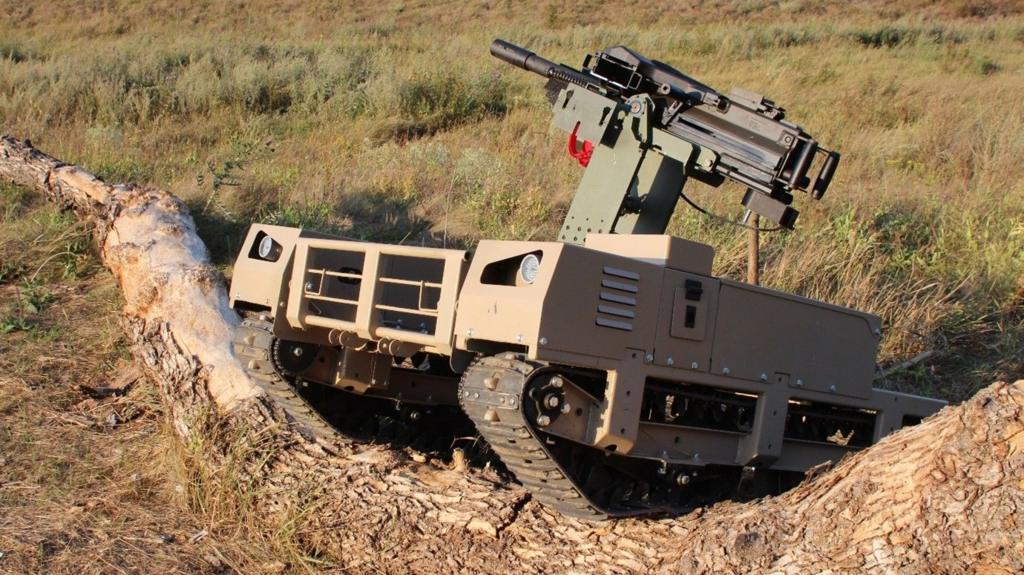
The context for this evolution lies in the static and highly lethal nature of the current front. Extensive trench networks, dense minefields, and massed artillery firepower have created an environment where human mobility is extremely perilous. In response, Ukrainian engineers, supported by international volunteers and tech companies, have accelerated the development of ground robots. These range from small reconnaissance platforms to golf-cart-sized vehicles equipped with machine guns, grenade launchers, or anti-tank systems. For its part, Russia has also deployed its own UGVs, such as the "Marker" platform designed for reconnaissance and attack, and has integrated drone swarms with offensive capabilities. The race for superiority in the ground robotic domain has become a new dimension of the conflict.
Relevant data, though fragmented due to operational secrecy, points to significant usage. The Ukrainian military has confirmed operations with UGVs like "Sirko" and "Ironclad," used to supply ammunition to forward positions, evacuate wounded, and, in armed configurations, assault fortified positions. A report from the Royal United Services Institute (RUSI) estimates Ukraine has deployed or tested at least a dozen different types of ground robots in the past eighteen months. On the Russian side, sightings of the "Uran-9" UGV have been reported, though with noted reliability issues in complex combat environments. The true paradigm shift is not just the existence of these machines, but their integration into combined arms tactics: robots advancing under fire to designate targets for artillery, or leading assaults to minimize human casualties.
Statements from involved actors reflect this new reality. A commander of a Ukrainian drone unit, who requested anonymity, told local media: "These robots are not a toy. They are a life-saving tool. They can go where no soldier could survive, carrying lethal payloads or pulling our wounded out of hell." From the Western side, an analyst at the Center for Strategic and International Studies (CSIS) noted: "Ukraine is writing the manual for ground robotic warfare in real-time. Every mission generates data that is accelerating the evolution of these systems at an unprecedented pace." Russian authorities, meanwhile, have publicly downplayed the effectiveness of Ukrainian robots, but their own investments in programs like the "Shturm" platform indicate a clear perception of the threat and the opportunity.
The impact of this trend is multifaceted. On a tactical level, it reduces the immediate risk to infantry in high-risk missions, but it could also lower the threshold for initiating offensive actions. Strategically, it is fueling a new arms race in affordable autonomous systems, democratizing capabilities once reserved for major powers. The human impact is ambiguous: while saving soldiers' lives, it also introduces the specter of greater dehumanization of conflict. The ethical questions about delegating the decision to use lethal force to algorithms are now more urgent than ever, though most systems in Ukraine remain "in the loop," meaning a human operator makes the final decision.
In conclusion, the war in Ukraine has transcended its initial frame to become a decisive proving ground for the future of land warfare. The integration of armed robots, though still in relatively early stages and with technical limitations, is fundamentally altering tactics, the economics of war, and the cost-benefit calculus of offensive operations. This conflict is demonstrating that the dominance of unmanned systems is no longer exclusive to the air or sea but has fully arrived on land. The lessons learned on the plains of Donetsk and in the forests of Kherson will shape the armed forces of tomorrow, forcing a global reassessment of doctrine, ethics, and strategy in the age of artificial intelligence and autonomy on the battlefield.