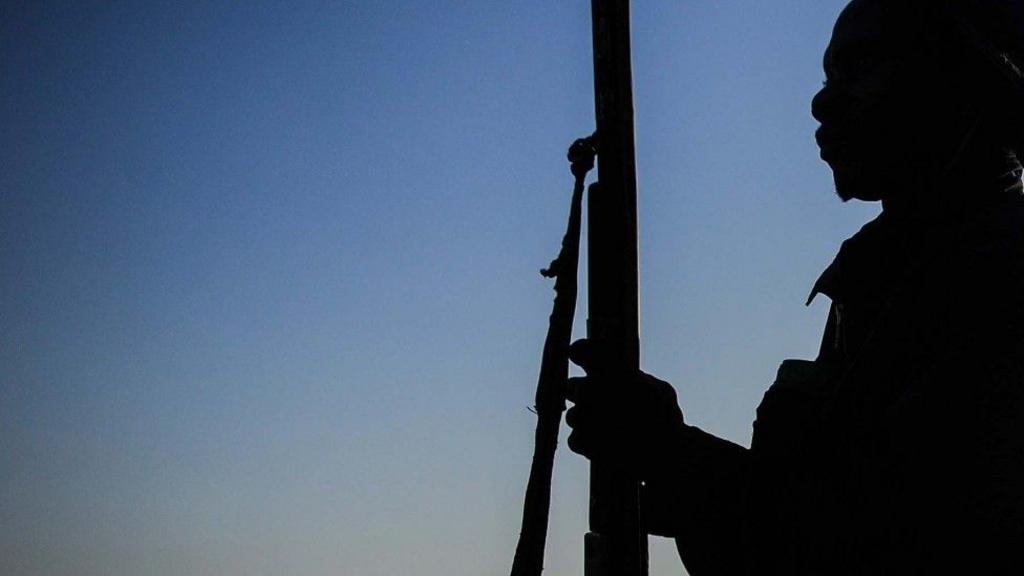
A new wave of violence has shaken northern Nigeria, leaving a death toll described as "massive" by local authorities. Senator Aminu Iya Abbas, representing the affected area, confirmed to the BBC that groups of armed men attacked multiple communities in Plateau State overnight, perpetrating one of the bloodiest massacres in recent months. The attacks, which lasted for several hours, have plunged the region into a new cycle of mourning and outrage, highlighting the persistent security crisis facing Africa's most populous country.
The context of this tragedy is framed by a multifaceted conflict that has been bleeding central and northern Nigeria for years. Tensions between nomadic herder communities, predominantly Muslim, and sedentary farmers, mostly Christian, over access to land and resources have been exacerbated by the presence of organized criminal groups and jihadist cells. Plateau State, known as the "Home of Peace and Tourism," has become an epicenter of this inter-communal violence, where cycles of retaliation are frequent and devastating. The inability of security forces to protect civilians and widespread impunity fuel a climate of distrust and fear.
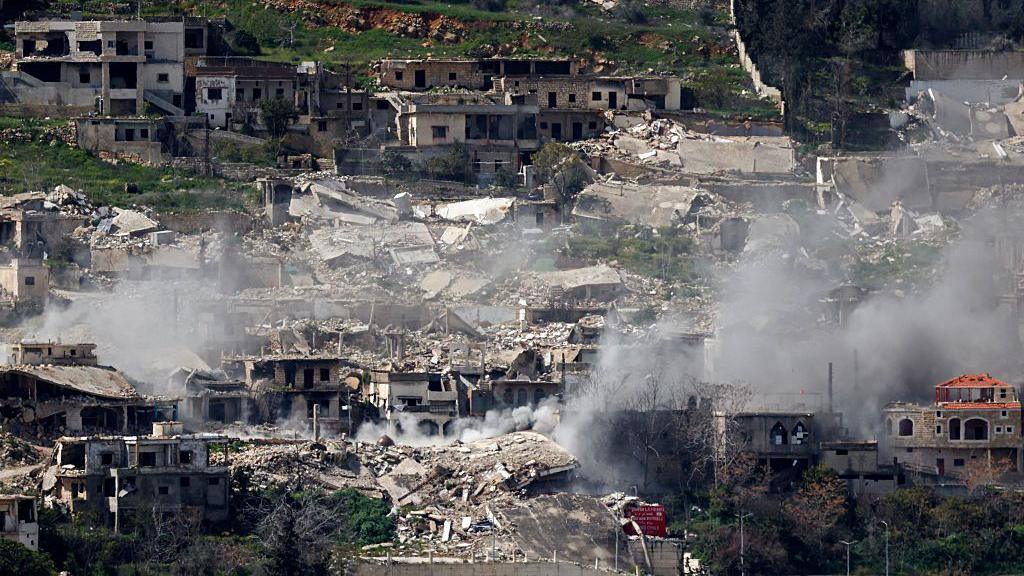
Although exact figures are still being verified, local sources and human rights organizations estimate the death toll could exceed one hundred, including women, children, and the elderly. A visibly shaken Senator Abbas told the BBC, "The number of people killed is massive. We have lost many of our loved ones in a cowardly and well-coordinated attack. Our communities are devastated." The attacks were characterized by their brutality, with reports of houses set on fire and residents cornered and executed. According to witnesses, the security forces' response arrived too late, after the attackers had already withdrawn.
The senator's statements underscore the frustration of local communities with the federal government. "People feel abandoned," he stated. "They promised to protect us, but we are at the mercy of these gunmen." This criticism reflects a widespread sentiment in many rural areas of Nigeria, where the state's presence is weak. Organizations like Amnesty International have repeatedly documented failures in the security response and have called for an independent investigation and the prosecution of those responsible. The humanitarian impact is profound: thousands have been displaced, crops and livestock destroyed, plunging already vulnerable families into deeper poverty and food insecurity.
The conclusion is clear: this latest attack is not an isolated incident but a symptom of a deep and complex national security crisis. While the Nigerian government focuses on combating jihadist groups like Boko Haram in the northeast, communal violence in the central region, driven by economic, climatic, and political factors, continues to claim lives at an alarming rate. A comprehensive strategy is required that goes beyond a military approach, addressing the root causes of the conflict, strengthening the rule of law, and promoting inter-communal reconciliation. The international community must increase its support for humanitarian and peacebuilding efforts. Without decisive and coordinated action, the cycle of violence in Nigeria seems destined to repeat itself, with increasingly catastrophic consequences for its population.