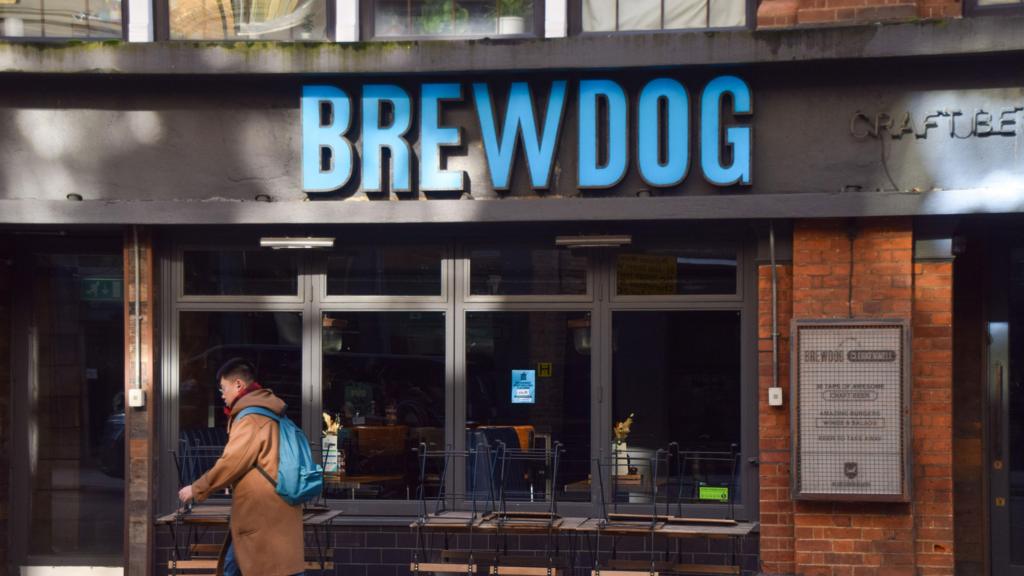
The UK's craft beer landscape is facing a seismic shift following the acquisition of a significant portion of iconic brewer Brewdog's bar business by Stonegate Group, a US-based pub management company, in a deal worth £33 million. The transaction, involving the purchase of 52 establishments, has triggered an immediate wave of closures and left hundreds of employees out of work, sparking outrage within the brewing community and among affected workers. This move marks a turning point for a brand built on a fierce image of independence and "punk" business culture, now seen by many as succumbing to corporate capital pressures.
The context of this sale traces back to Brewdog's ambitious expansion plans, founded in 2007 by James Watt and Martin Dickie. The company grew exponentially from a garage in Scotland to a global brand with over 100 bars worldwide and a flagship brewery in Ellon. However, this aggressive expansion, partly funded by its innovative "Equity for Punks" campaign that raised millions from small investors, also generated significant debt and operational pressures, especially in its bar division, which struggled to fully recover post-COVID-19 pandemic. The sale to Stonegate, a giant owning thousands of UK pubs, is framed as a strategy to stabilize finances and allow Brewdog to focus on its core beer production and retail sales.
Relevant data paints a grim picture for the workforce. According to union communications and former employees, an estimated 300+ jobs have been lost as a direct consequence of the transaction and subsequent closures. The 52 sold bars represented a substantial portion of Brewdog's owned estate. Stonegate, for its part, has indicated it will conduct a strategic review of the acquired assets, which in practice has meant the immediate shuttering of several sites deemed unviable. This consolidation is part of a broader trend in the UK hospitality industry, where large groups acquire smaller chains to optimize operations, often at the expense of local jobs and the unique character of venues.
Statements from involved parties reflect contrasting narratives. A Brewdog spokesperson stated: "This transaction allows Brewdog to focus our resources and energy on what we do best: brewing amazing beer and developing our retail business. It is a necessary step to ensure a sustainable future for our core brand." On the opposing side, a representative from the Unite Hospitality union expressed: "It is a betrayal of the workforce that built the Brewdog bar experience. Hundreds of dedicated workers are left on the street while executives reap the benefits of a sale. It speaks volumes about prioritizing profits over people." Co-founder James Watt defended the move on social media, arguing the alternative would have been worse, potentially leading to the entire company's collapse.
The impact of this deal is multifaceted. On a human level, hundreds of families face financial uncertainty during a time of high inflation and a cost-of-living crisis. For the Brewdog brand, the reputational damage is significant. The company, already criticized in the past for allegations of a toxic work culture, now faces accusations of hypocrisy, having cultivated an image of rebellion against big corporate brewers only to sell off part of its soul to one. In the market, consolidation reduces the diversity of the pub landscape, with the risk that acquired bars lose their unique identity and become homogenized under the Stonegate banner. Furthermore, the thousands of small "Equity for Punks" investors see a portion of the business they backed being handed over to a corporate actor.
In conclusion, the sale of 52 Brewdog bars to Stonegate for £33 million is more than a mere financial transaction; it is a symbol of the difficult balance between craft idealism and relentless economic realities. While Brewdog attempts to secure its future by focusing on production, the human and reputational cost has already been paid. This episode serves as a cautionary tale for other cult brands about the perils of hyper-accelerated growth and raises crucial questions about the future of independent pub culture in an era of increasing corporate consolidation. The true test will be whether Brewdog can maintain its essence and the loyalty of its followers after this controversial chapter.