The aviation crisis in the Middle East has intensified dramatically, with thousands of additional flights cancelled or diverted as military tensions continue following Iran's strikes. Major international airlines, including Emirates, Qatar Airways, Lufthansa, and British Airways, have extended suspensions of flights over Iranian airspace and surrounding regions, creating a domino effect impacting passengers worldwide. The situation has led to a massive reconfiguration of global flight routes, with aircraft forced to take longer and more costly paths to avoid potential risk zones, causing significant delays and increased operational costs for carriers.
The context of this disruption traces back to the escalation of hostilities in the region, which reached a critical point with recent missile and drone attacks. In response, the International Civil Aviation Organization (ICAO) and national aviation authorities have issued severe warnings, urging extreme caution. Data from FlightRadar24 and other flight trackers show that over 5,000 flights scheduled to pass through the affected air corridor have been cancelled in the past three days, impacting an estimated 800,000 passengers. Routes between Europe and Asia, as well as flights to and from Gulf countries, are the hardest hit, with some journeys experiencing diversions of over 1,000 nautical miles.
Statements from airline executives reflect the gravity of the situation. "The safety of our passengers and crew is our top priority," stated Tim Clark, President of Emirates, in a release. "We have made the difficult decision to temporarily suspend operations on certain routes and are working to reaccommodate those affected." Meanwhile, the International Air Transport Association (IATA) has expressed concern over the long-term economic impact. "Each day of disruption represents multimillion-dollar losses for the industry and significant stress on the global aviation network," noted its Director General, Willie Walsh.
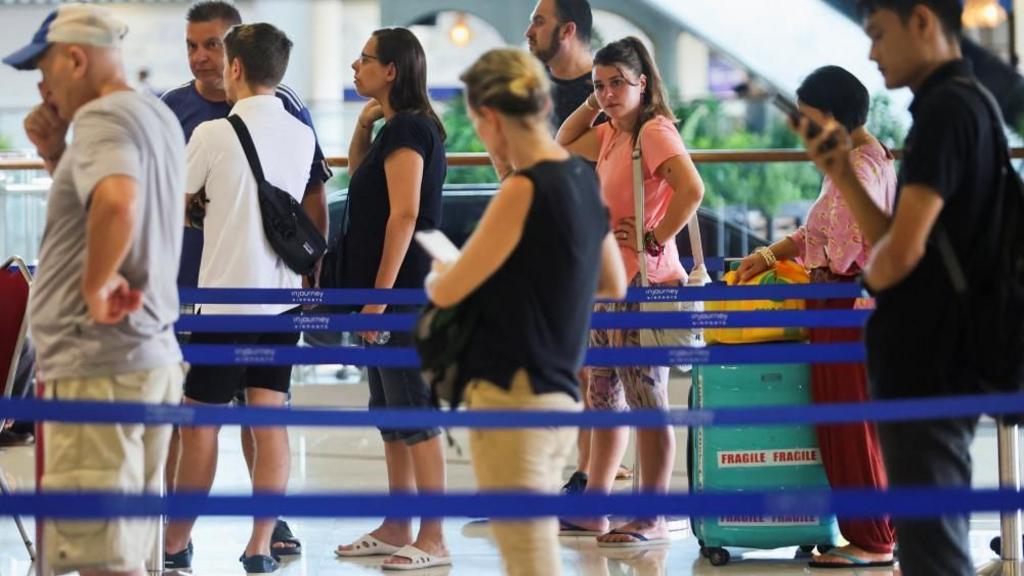
The impact extends beyond airlines, affecting air cargo logistics, tourism, and supply chains. Airports in hubs like Dubai, Doha, and Istanbul are experiencing severe congestion due to diversions and cancellations. Additionally, ticket prices on alternative routes have begun to surge, capitalizing on increased demand. For stranded passengers, the situation is chaotic: many face waits of several days for rebookings, while others have opted to cancel trips entirely, triggering mass refunds that further strain airline finances.
In conclusion, the continuation of strikes and instability in the region has created a perfect storm for international aviation. Although airlines are implementing contingency plans, uncertainty persists, with experts warning that disruptions could last for weeks. This episode underscores the fragility of global air connectivity in the face of geopolitical conflicts and the need for more robust protocols to manage crises of this magnitude, ensuring both safety and operational resilience in an increasingly interconnected world.