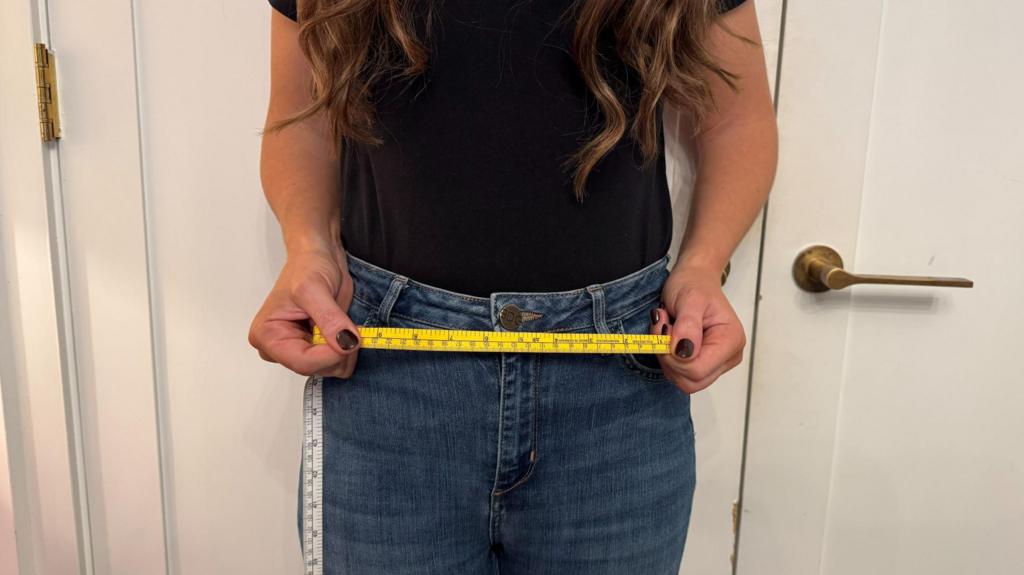
The fashion industry is facing a crisis of confidence of epic proportions, but it's not about trends: it's about sizing. For decades, consumers have grappled with the frustration of purchasing garments that don't fit properly, a phenomenon known as 'vanity sizing,' where numerical labels have lost all relation to actual body measurements. This inconsistency not only generates massive returns and waste but also deep customer dissatisfaction. Now, a new wave of technological innovation, led by artificial intelligence (AI) and 3D body scanning, promises to revolutionize this chaotic landscape, offering the potential for a personalized and precise shopping experience. The question resonating in brand headquarters and shoppers' homes is clear: will this technology be the definitive solution or merely a digital band-aid for a systemic problem?
The context of this issue is complex and has historical roots. The standardization of sizes, which largely emerged in the 20th century for mass production, never achieved true global uniformity. Different regions, brands, and even lines within the same brand use different measurement charts. A size 38 pants in one store might be equivalent to a size 40 in another. This 'dimensional chaos' has been exacerbated by the rise of e-commerce, where the inability to try on clothes multiplies return rates to unsustainable levels, in some sectors exceeding 40%. The environmental cost is enormous: additional transportation, redundant packaging, and, in many cases, garments that end up in landfills because it is not economically viable to put them back on sale.
In this scenario, artificial intelligence emerges as a powerful tool. Startups and tech giants are developing solutions ranging from body scanning apps using smartphone cameras to sophisticated recommendation algorithms. These technologies work by creating a accurate three-dimensional digital avatar of the user, with hundreds of precise measurement points. This 'digital twin' can then be used to virtually try on garments or receive specific size recommendations from different brands, translating personal measurements into each brand's whimsical sizing systems. Companies like **SizeStream**, **3DLook**, and **MySize** are at the forefront of this movement, collaborating with retailers to integrate these solutions into their websites and apps.
Statements from industry leaders reflect cautious optimism. "It's not just about reducing returns; it's about restoring consumer trust," says **Sarah Smith**, CTO of a major online fashion platform. "When a customer finds a brand that fits them well consistently, it creates invaluable loyalty. AI is the bridge to achieving that consistency at scale." However, there are also voices pointing out the challenges. **Dr. Michael Chen**, an expert in ergonomics and garment design, warns: "Scanning technology is promising, but it's only one part of the equation. If brands do not standardize their patterns and manufacturing processes, we will only be creating a more complex system to navigate the same mess. The solution must be holistic: from design to label."
The potential impact of widespread adoption of these technologies is multifaceted. For consumers, it would mean the end of blind shopping and a drastic reduction in frustration. For brands, it would translate into million-dollar logistical savings, lower return rates, and access to aggregated, anonymous body data that could revolutionize design and collection planning, reducing leftover inventory. On a social and inclusivity level, it could be a step towards destigmatizing non-normative bodies, allowing fashion to truly adapt to human diversity, rather than forcing people to fit into arbitrary sizes.
In conclusion, while AI and body scanning technology offer the most precise tools to date to tackle the sizing crisis, their success is not guaranteed by hardware or software alone. It will require a coordinated effort and an unprecedented willingness for transparency from the entire fashion industry. The true solution lies in using this precise data to drive real standardization or, better yet, a transition towards a more personalized, on-demand model. The sizing crisis is, at its core, a symptom of a mass production system disconnected from the individual. Technology can be the catalyst that finally reconciles this disconnect, but only if the industry is willing to listen to what the data—and the bodies—have to say.