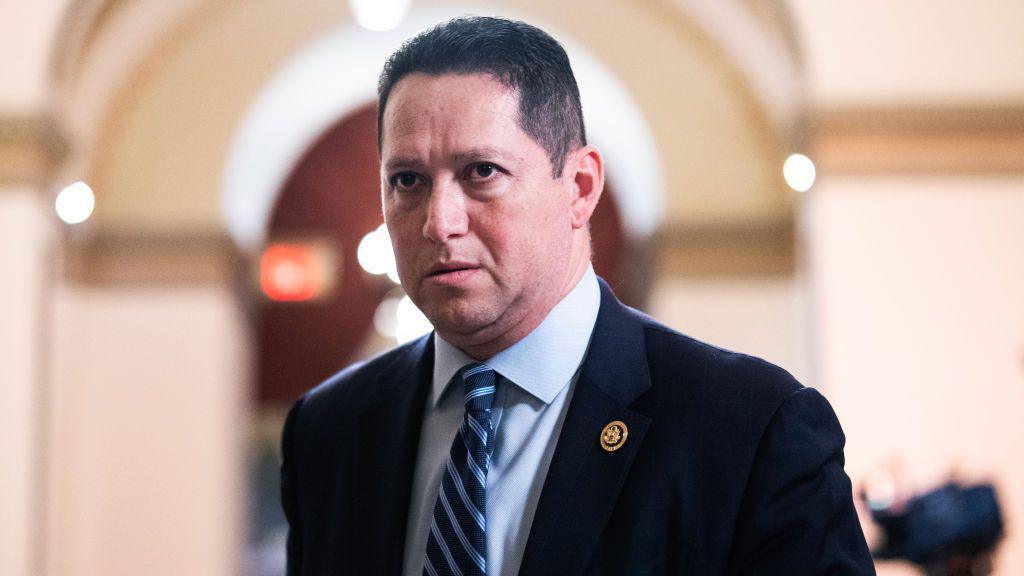
In a move that has rocked the Texas political scene, a state lawmaker has publicly admitted to a "lapse in judgement" after it was confirmed he engaged in an extramarital affair with a member of his staff. The admission comes after several media outlets, following a weeks-long investigation, revealed details of the relationship, sparking intense debate about ethics, power dynamics, and workplace conduct in politics.
The lawmaker, whose name has been widely reported but who initially declined to comment, finally issued a statement through his attorney. In it, he acknowledges the relationship, describes the bond as "mutual" and "consensual," but admits it was a serious error in judgement that has damaged the trust of his family, colleagues, and constituents. "I deeply apologize to my wife and children for the pain I have caused. I also apologize to my constituents and colleagues for distracting from the important issues we must address at the Capitol," part of the statement reads. The aide involved, according to reports, no longer works for the lawmaker's office, although the circumstances of her departure are not entirely clear and speculation exists about possible confidentiality agreements.
This scandal unfolds in an already polarized political climate in Texas, where issues of morality and the personal conduct of elected officials are often used as political ammunition between parties. Government ethics experts consulted for this report note that, beyond the personal aspect, the situation raises serious questions about power relationships in the legislative environment. "When an employer, especially one with as much power as a lawmaker, becomes involved with a direct subordinate, it automatically creates a potentially coercive environment," explains Dr. Elena Márquez, a professor of Public Law. "Even if the relationship was consensual at its origin, the inherent power dynamic can make the notion of 'consent' problematic and may violate internal policies against harassment."
The political impact is immediate. Leaders from both parties have reacted cautiously, with some calling for a deeper ethics investigation and others, primarily the lawmaker's allies, urging respect for his family's privacy. Government ethics watchdog groups have already filed formal complaints with the Texas House ethics committee, requesting an inquiry into whether public resources (such as office time or travel) were used in the course of the relationship. The scandal also threatens to derail key legislative agenda items the lawmaker himself was championing, focused on education reform, as his credibility and moral authority now come under intense public scrutiny.
On a personal level, the admission marks a point of no return. Political analysts suggest that while he may weather the crisis in the short term, his future as a leadership figure within his party is severely compromised. The reaction of his voter base, which in his district has a strong conservative component that values 'family integrity,' will be decisive for his potential re-election. Meanwhile, the case brings back to the forefront the need for clearer and stricter protocols in state legislatures to prevent and manage improper relationships between superiors and subordinates, a topic that, nationally, has gained traction following the #MeToo movement.
In conclusion, the Texas lawmaker's admission of a "lapse in judgement" is more than a scandalous headline; it is an episode that encapsulates the personal and professional risks of public life, the complexities of power in the workplace, and the high ethical expectations citizens place on their representatives. The development of ethics investigations and the long-term reaction of public opinion will define whether this admission is the first step toward accountability or merely an attempt at damage control in a now-tarnished political career.