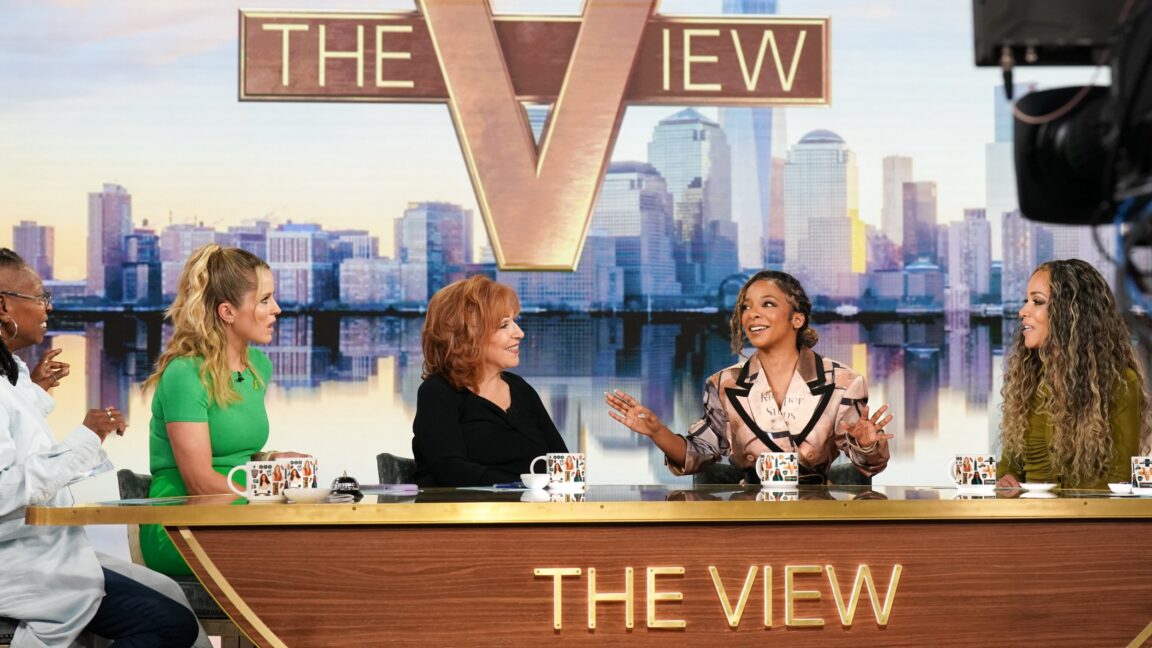
In a move that has ignited debate over press freedom and media regulation, the Federal Communications Commission (FCC) under the Trump administration has launched a formal investigation into the popular daytime talk show 'The View'. The probe follows a prior warning from the agency to several late-night and daytime talk shows, including those of Stephen Colbert and Jimmy Kimmel, regarding compliance with the 'equal-time' rule. According to reports from internal sources, FCC officials have stated that broadcasting what they term 'fake news' could face regulatory penalties, though the agency has not publicly specified what exactly constitutes that term.
The equal-time rule, formally known as Section 315 of the Communications Act, traditionally requires broadcasters who give airtime to a legally qualified political candidate to provide an equal opportunity to other candidates for that same office. Historically, this rule has been applied mainly to paid slots like political advertisements, and exemptions for news programs, interviews, and documentaries have been broad. The renewed and seemingly expanded enforcement of this rule to talk shows has raised concern among First Amendment advocates, who argue it could be used to muzzle political criticism under the guise of regulatory fairness.
The context of this regulatory action cannot be separated from the current political climate. President Trump has repeatedly criticized media outlets, frequently labeling critical news organizations as 'fake news'. The FCC's investigation into 'The View', a show known for its politically diverse and often administration-critical panels, is viewed by many observers as an escalation in the tense relationship between the White House and the press. 'This is a dangerous intrusion into editorial independence,' a spokesperson for the News Directors Guild of America stated. 'Using regulatory tools to influence content based on perceptions of truthfulness is a slippery slope that threatens the core of a free press.'
Relevant data shows that complaints to the FCC about broadcast content have fluctuated, but formal actions under the equal-time rule have been extremely rare in recent decades for non-news programming. The threat of punishment for 'fake news', a term not defined in the FCC's statute, introduces a new and murky area of enforcement. Legal experts note that any attempt to sanction content based on its perceived truthfulness would likely face immediate legal challenges under the First Amendment, as the government is prohibited from acting as an arbiter of truth in media speech.
The impact of this investigation could be far-reaching. Beyond 'The View', the FCC's warnings have created a chilling effect in newsrooms and broadcast studios. Network producers and executives must now consider not only the journalistic or entertainment value of a segment, but also whether it might trigger a costly regulatory investigation or loss of license. For the public, this could mean a reduction in the frankness of political analysis on daytime and late-night television, precisely at a time when scrutiny of power is crucial. In conclusion, the FCC's investigation into 'The View' transcends a single show; it represents a potential inflection point in the relationship between the state and media in the United States. The outcome of this confrontation could redefine the boundaries of political speech on the airwaves for years to come, balancing ideals of broadcast fairness with fundamental protections against government censorship.