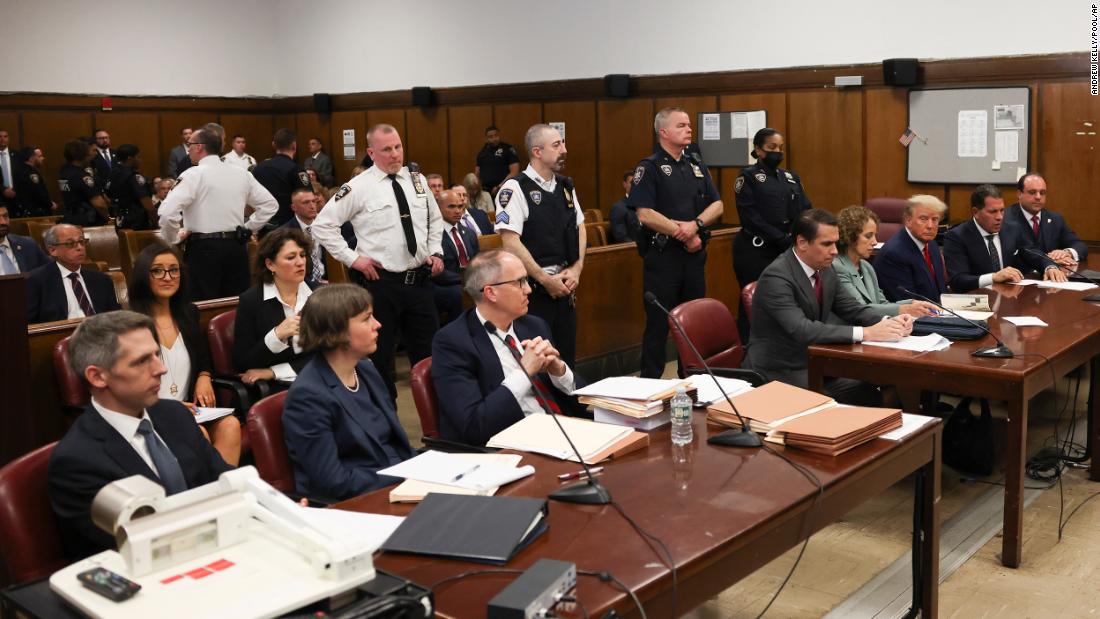
In an unprecedented historic event in American politics, a Manhattan grand jury has formally indicted former President Donald Trump, making him the nation's first former commander-in-chief to face criminal charges. The indictment, filed under seal, is directly related to investigations into hush money payments made during the 2016 presidential campaign, specifically the $130,000 payment to pornographic actress Stormy Daniels to silence an alleged extramarital affair. This legal development marks a turning point in the multiple judicial scrutinies Trump has faced, heightening political tensions in a deeply divided nation.
The case centers on the financial transactions that Trump and his then-personal attorney, Michael Cohen, orchestrated to secure Daniels' silence, whose real name is Stephanie Clifford. Manhattan District Attorney Alvin Bragg's prosecutors have been investigating whether these payments constituted violations of campaign finance laws, given that the money was intended to influence the election outcome by avoiding a scandal that could have damaged Trump's candidacy. According to court documents, the funds were falsely recorded as legal expenses in the Trump Organization's records, potentially constituting felony falsification of business records under New York state law when done with intent to defraud.
The context of this indictment is broad and complex. Michael Cohen, who already served a prison sentence for his role in the scheme, testified before the grand jury, providing crucial details about Trump's direct involvement in coordinating and reimbursing the payments. In public statements, Cohen has asserted that he acted "at the direction and for the benefit of Donald Trump." The investigation also examines other similar payments, including one to former Playboy model Karen McDougal, suggesting a pattern of conduct aimed at suppressing damaging information during a critical electoral period. These events occurred as Trump faced a tight race against Hillary Clinton, where any revelation of infidelity could have altered the campaign dynamics.
The indictment has triggered immediate and polarized reactions. Trump has labeled the process a "witch hunt" and a "political persecution" driven by Democrats, stating in a communication: "This is election interference at a level never seen before in our country." On the other hand, critics and legal experts argue that the principle of equality before the law must apply regardless of political status. The impact of this case extends beyond the courtroom; it could redefine the boundaries of presidential accountability and set a precedent for how high-profile public figures' actions are investigated and prosecuted. Moreover, it occurs amid Trump's aspirations for a potential 2024 presidential run, injecting uncertainty into the political landscape.
As the case moves forward to procedural stages, Trump is expected to appear before a judge to hear the charges formally. Defense attorneys will likely argue that the payments were personal matters unrelated to the campaign, while prosecutors will seek to demonstrate a deliberate cover-up. Regardless of the outcome, this historic moment underscores the enduring tensions between political power and the rule of law in the United States. With the nation watching closely, the judicial process will not only determine the legal fate of a former president but also test the resilience of democratic institutions in an era of deep polarization.