Former U.S. President Donald Trump has used his social media platform to urge a popular uprising in Iran, a statement that has reignited debates about foreign intervention in other countries' internal affairs and prompted analysts like Jeremy Bowen, the BBC's Middle East editor, to recall a historical precedent with tragic consequences: the 1991 Shiite uprising in Iraq. In a post on Truth Social, Trump claimed the Iranian people are "ready" for a revolution and criticized the Biden administration for not openly supporting the protesters. However, this seemingly pro-freedom stance clashes with the memory of what happened three decades ago, when a similar exhortation from Washington was followed by brutal repression and an abandonment that left a deep scar on the region's collective memory.
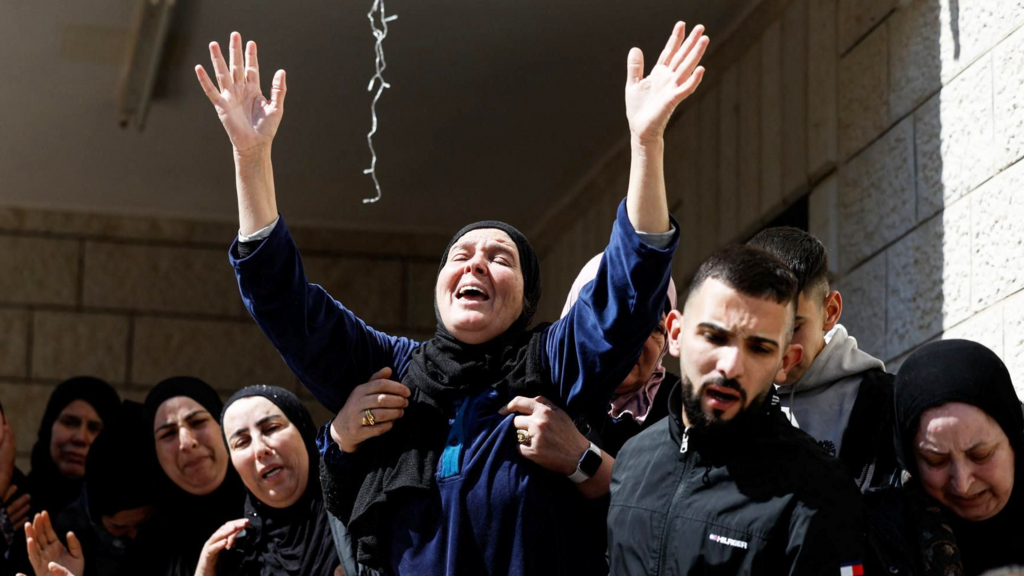
The current context in Iran is one of deep social unrest. The protests, initially triggered by the death of Mahsa Amini in police custody in September 2022, have evolved into a broader challenge against the theocratic system. Despite fierce repression, which has left hundreds dead and thousands detained, discontent persists in the form of strikes and acts of civil disobedience. It is in this scenario that statements from international figures like Trump carry significant weight. For many observers, his call is a tool of political pressure against the Iranian government, but for others, especially within Iran and among regional experts, it sounds like a dangerous echo of the past.
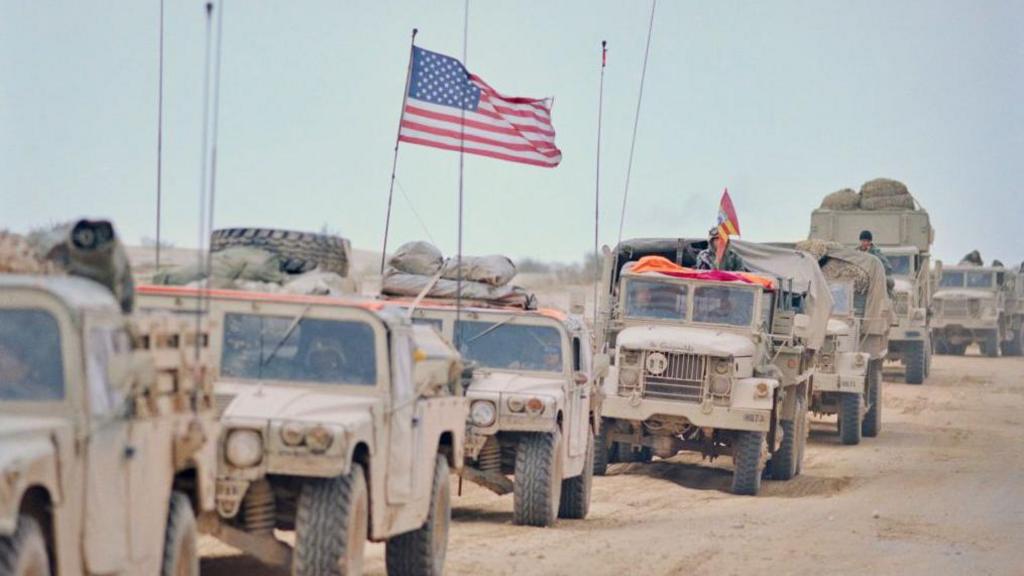
The historical parallel Bowen points to is powerful and instructive. In February 1991, following Iraq's defeat in the Gulf War, then-President George H.W. Bush encouraged the Iraqi people to "take matters into their own hands" and overthrow Saddam Hussein. Shiites in the south and Kurds in the north heeded the call and rose in rebellion. Initially, it seemed the Ba'athist regime would collapse. However, the United States and its allies, fearing regional destabilization and the rise of Iranian influence, stood aside. Saddam Hussein, with his Republican Guard intact, launched a ruthless counteroffensive. Using attack helicopters (which were allowed to fly despite the no-fly zone) and heavy artillery, he crushed the rebellion. Estimates of the death toll vary but range in the tens of thousands. Cities like Najaf and Karbala, sacred to Shiism, were scenes of massacres. The message was clear: Western support was rhetorical, not real.
This traumatic experience has shaped the region's psychopolitics. For many Iranians, especially those who sympathize with the opposition but deeply distrust Washington's intentions, Trump's call is viewed with skepticism and fear. They fear that vocal support from abroad could be used by the regime to discredit the protests, painting them as a movement orchestrated by foreign powers, particularly the "Great Satan" America. Furthermore, there is a latent fear that, should open conflict erupt, the international community would once again turn its back on the civilian population, leaving it at the mercy of the Islamic Revolutionary Guard Corps and Basij repression machinery.
Trump's statements also pose an ethical and strategic dilemma for foreign policy. What is the responsibility of world leaders when commenting on protest movements in other countries? Can their words, even well-intentioned, cause more harm than good by providing a pretext for even greater repression? Human rights experts argue that support should focus on universal principles and diplomatic pressure for accountability, not explicit calls for insurrection that can be interpreted as incitement for regime change. The lesson from Iraq in 1991 is that inflammatory rhetoric without real commitment and a clear strategy to protect civilians can have catastrophic consequences.
In conclusion, while Donald Trump seeks to politically capitalize on discontent in Iran, Jeremy Bowen's historical warning serves as a crucial reminder. Words spoken from afar carry enormous weight on turbulent ground. The call for an "uprising" in Iran echoes over the landscape of a past tragedy in Iraq, where a people rose up hoping for change, only to be abandoned and massacred. For the Iranian protest movement, whose courage is unquestionable, the path to freedom is intricate and perilous. International support, if it is to be meaningful, must be prudent, consistent, and grounded in the protection of human lives, not in opportunistic rhetoric that ignores the bitter lessons of history. The shadow of 1991 is long, and its echo warns of the price of empty promises.