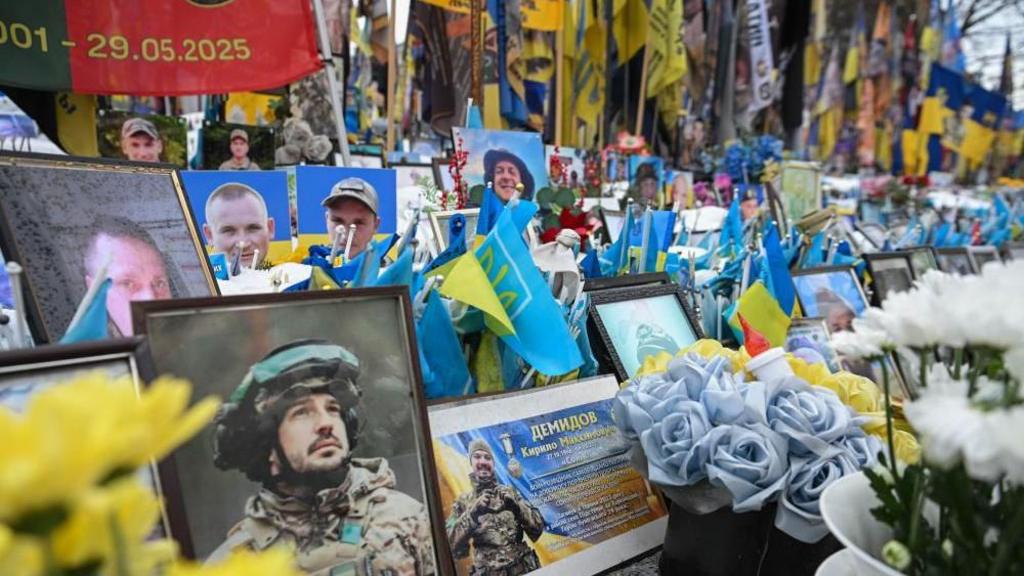
As dawn breaks on February 24th, Ukraine is plunged into another painful anniversary: the start of the full-scale Russian invasion that, four years on, continues to tear the country apart. This somber milestone does not mark an end, but the entry into a fifth year of a conflict that has redefined European borders, exacted a devastating human toll, and tested the resilience of a nation. The streets of Kyiv, Lviv, and Kharkiv, among other cities, are preparing for days of commemoration, where collective mourning intertwines with a fierce determination to resist. Authorities estimate that human losses, both military and civilian, number in the hundreds of thousands, a figure that encapsulates a tragedy of historical proportions.
The context of this commemoration is complex and deeply rooted. The current war is the most intense phase of a conflict that began in 2014 with Russia's annexation of Crimea and the outbreak of fighting in the Donbas. However, the 2022 escalation transformed a regional war into a high-intensity confrontation that has engulfed much of Ukrainian territory. The data is overwhelming: according to the UN Office of the High Commissioner for Human Rights (OHCHR), there have been over 30,000 verified civilian casualties, including deaths and injuries, though the actual figures are believed to be considerably higher. Millions have been internally displaced or have become refugees across Europe, creating one of the continent's largest humanitarian crises since World War II.
Amid the grief, the voices of Ukrainian leaders and affected families resonate with a message of memory and purpose. President Volodymyr Zelenskyy, in a message ahead of the anniversary, stated: "Every day of this war is a page of immense sacrifice. We remember every hero, every life taken. Their memory is our armor and our reason to keep fighting for a free and sovereign Ukraine." Meanwhile, civil society organizations and groups of fallen soldiers' families have organized candlelight vigils and photo exhibitions of the deceased, creating public spaces for collective mourning. "It's not just a number in a statistic. It's my son, it's our lost future," shared Olha, a mother from Kherson who lost her 22-year-old son in the fighting for the city.
The impact of entering a fifth year of war is multifaceted and profound. Militarily, the front has stabilized into extensive trench lines, reminding many analysts of the positional warfare of World War I, with slow advances and an enormous cost in equipment and lives. Economically and socially, Ukraine faces the titanic task of rebuilding destroyed critical infrastructure—estimated at hundreds of billions of dollars—while maintaining a war economy. Psychologically, combat fatigue and anxiety about an uncertain future weigh on a population that has demonstrated extraordinary resilience. Internationally, the conflict has reconfigured security alliances, driven NATO expansion, and generated global geopolitical tensions, with a steady flow of Western military and financial aid being crucial to Ukraine's defense capability.
In conclusion, the fifth year of the war in Ukraine begins under the shadow of incalculable loss and the persistence of unresolved aggression. The remembrance ceremonies of this anniversary are more than a commemorative act; they are a living testimony to the human capacity to resist extreme adversity and an urgent reminder to the international community of the lasting consequences of war. The path to peace remains uncertain and fraught with obstacles, but Ukraine's determination to defend its existence, honoring those who have given their lives, remains the central pillar of this protracted struggle. The future of the country, and to a large extent the stability of Europe, will continue to be written on the battlefields and in the heart of its people, who, through tears and fortitude, refuse to be forgotten.