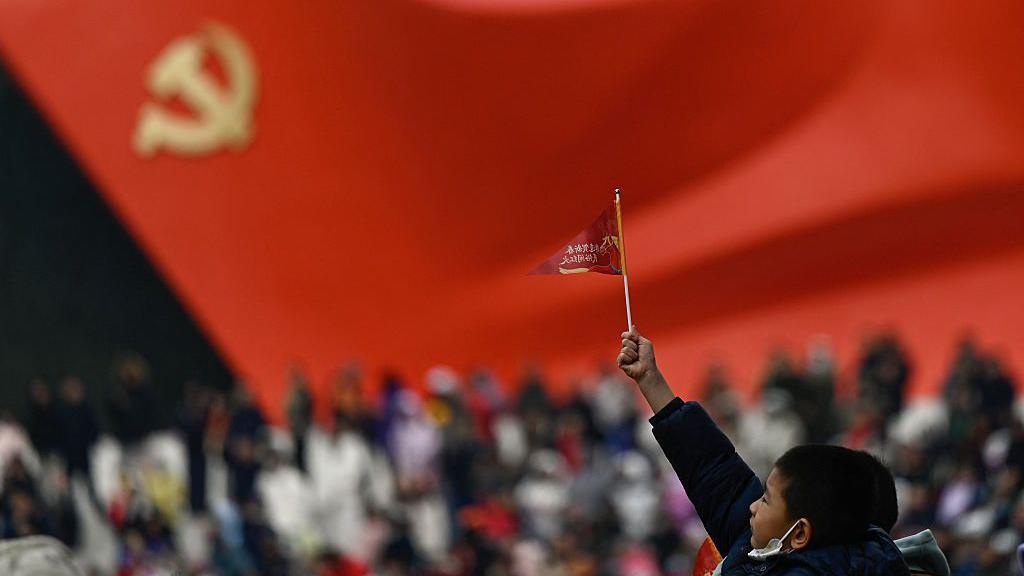
Every year in early March, China holds its most significant political event: the 'Two Sessions'. This term refers to the annual gatherings of the country's two top legislative and advisory bodies: the National People's Congress (NPC) and the Chinese People's Political Consultative Conference (CPPCC). Far from being mere ceremonial protocols, these sessions mark the moment when policy, economic, and social guidelines for the coming year are set, offering a unique window into the government's priorities and the future of the Asian giant.
The National People's Congress is the highest state authority according to China's Constitution. With nearly 3,000 deputies, it is the world's largest unicameral parliament. Its annual meeting, known as the NPC Plenary Session, has the fundamental task of reviewing and approving key work reports, including the government work report delivered by the Premier, plans for economic and social development, and the national budget. It is here that major GDP growth targets, fiscal policy, and employment goals are legally formalized. On the other hand, the Chinese People's Political Consultative Conference, while not a legislative body, plays a crucial role as a political consultation forum. It brings together representatives from the eight recognized democratic parties, non-party figures, representatives from ethnic groups, and various social sectors to deliberate on state affairs before they are submitted to the NPC, functioning as a mechanism for gathering opinions and building consensus.
The context of the 2024 'Two Sessions' is particularly significant. China faces a complex economic landscape, with challenges such as slowing growth, a property crisis, high local debt, and geopolitical tensions. Therefore, international observers are paying close attention to the growth targets to be announced, as well as concrete measures to stimulate domestic consumption, stabilize the job market, and advance the transition to a high-tech economy. Topics like national security, technological self-sufficiency in semiconductors, and 'common prosperity' are also expected to feature prominently on the agenda.
Statements and speeches during the sessions are meticulously analyzed. The government work report, read by the Premier, often includes phrases and slogans that define the political tone. For instance, in previous years, concepts like 'new development', 'dual circulation' (focused on domestic and international markets), and 'security in all respects' have guided policies. Furthermore, journalists have the opportunity to ask questions at press conferences, especially the one held by the Foreign Minister, which has become a global media event where China's stances on pressing international issues are addressed.
The impact of decisions made at the 'Two Sessions' is profound and far-reaching. They not only shape China's domestic policy, affecting the lives of 1.4 billion people, but also have global repercussions. Fiscal and monetary policies influence international markets and global supply chains. Investment plans in infrastructure, green energy, or artificial intelligence can reshape entire industries. For the business community, both domestic and foreign, understanding the guidelines emerging from these meetings is essential for planning investments and strategies.
In conclusion, the 'Two Sessions' are much more than an annual political ritual. They are the central governance mechanism of China, where the country's direction is negotiated, formalized, and communicated. At a time of internal transformation and increasing global competition, these meetings offer the clearest roadmap for where the world's second-largest economy is headed. For any analyst, investor, or person interested in global affairs, understanding the outcomes of the 'Two Sessions' is crucial to deciphering China's priorities and anticipating its impact on the international stage in the coming year.