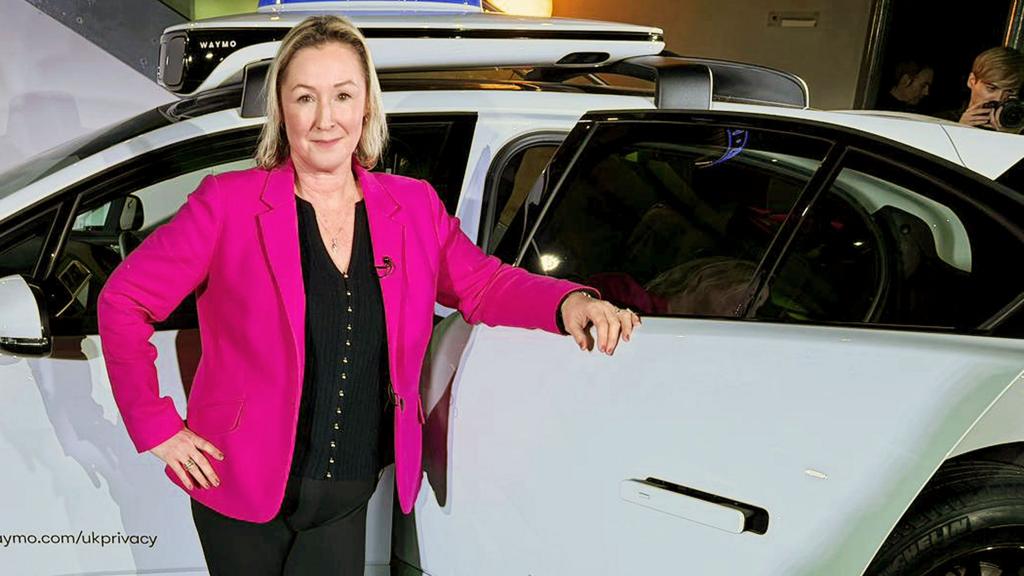
Urban mobility in Europe is on the cusp of a historic leap. Waymo, the leading autonomous vehicle company owned by Alphabet (Google), has officially announced its plans to launch a robotaxi service in London, with a pilot scheme due to begin in April and a full commercial rollout targeted for as soon as September. This announcement positions the United Kingdom, and specifically its capital, at the forefront of adopting this disruptive technology on the continent, marking a significant milestone in the global race for vehicle autonomy.
The context for this launch is a rapidly evolving industry. Waymo already operates commercial robotaxi services in US cities like Phoenix, Arizona, and San Francisco, California, accumulating millions of miles of autonomous driving experience. Expanding to London represents not just a new market, but a first-order engineering and regulatory challenge. The British capital, with its complex web of historic streets, dense traffic, unpredictable weather conditions, and a massive public transport ecosystem, will serve as the most rigorous testing ground to date for Waymo's technology outside the United States.
Details of the plan reveal a methodical approach. The April pilot phase will involve an initial fleet of all-electric Jaguar I-PACE vehicles, outfitted with Waymo's suite of sensors, cameras, lidar, and artificial intelligence software. Initially, these vehicles will operate within a geographically bounded area of London, with a human safety driver ready to intervene if necessary. Rides will be available to a select group of users via a mobile app. The goal of this phase is to gather data, refine algorithms for local conditions, and work closely with regulatory authorities, including Transport for London (TfL) and the Department for Transport (DfT).
Official statements underscore the commitment to safety and integration. A Waymo spokesperson stated: "London is one of the world's most vibrant and complex cities, and represents the logical next step in our mission to make it safe and easy for people and things to get around. We're excited to partner with the city to introduce Waymo's autonomous driving technology, built on years of experience and millions of autonomous miles driven." British authorities, for their part, have shown a generally receptive attitude, seeing in this technology an opportunity to reduce congestion, improve road safety (by eliminating human error), and advance towards net-zero emissions goals, given the electric nature of the fleet.
The potential impact of this initiative is multifaceted. For citizens, it promises a new on-demand mobility option, potentially safer and, in the long run, more affordable. For the urban economy, it could reconfigure the use of public space, reduce the need for parking, and spawn new business models. However, the deployment also raises crucial debates: the future of employment for taxi and professional drivers, legal liability in case of accidents, vehicle cybersecurity, and the privacy of collected data. Transport unions have already expressed concern over job losses and have called for robust dialogue and strong regulatory frameworks.
In conclusion, Waymo's announcement marks the beginning of a new era for transportation in the UK and Europe. The April pilot and potential September commercial launch will be closely watched by the industry, regulators, and the public alike. Success or stumbles on London's streets will not only define Waymo's future in Europe but are likely to set the regulatory and social standard for the adoption of autonomous vehicles in other major cities across the continent. The race for autonomous mobility has officially arrived on European streets, and its development promises to be one of the most fascinating technological and urban narratives of the coming decade.