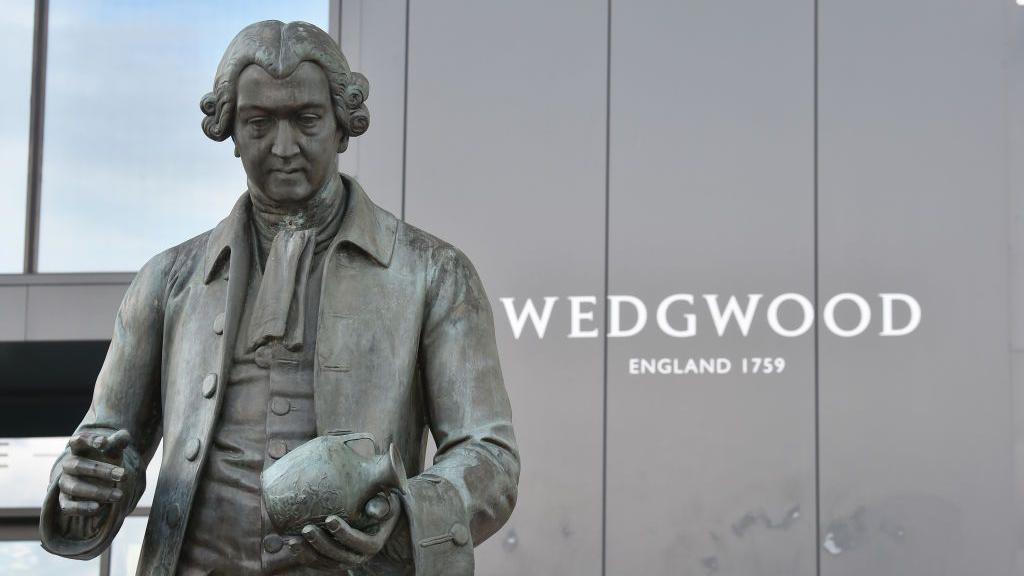
The iconic pottery firm Wedgwood, with a history dating back to 1759, is facing a new phase of restructuring that will involve job cuts at its Staffordshire plant in the heart of England's Potteries region. This decision comes after seventy workers were placed on temporary leave last year, an initial measure that now appears to be becoming permanent amid persistently slow demand in key markets. The news has sparked concern in a community with a deep pottery tradition, where Wedgwood is not just a company but a symbol of British industrial heritage.
The context for this decision lies within a complex economic landscape for the luxury goods and high-end ceramics sector. Post-pandemic, the recovery in non-essential consumption has been uneven, with factors such as inflation, rising energy costs, and geopolitical uncertainty affecting discretionary spending. Wedgwood, owned by the Fiskars Group since 2015, had shown signs of recovery, but recent quarters have reflected a contraction in orders, particularly in export markets like Asia and North America, traditionally strong for the brand. The Barlaston site in Staffordshire, where iconic pieces such as Jasperware are manufactured, will be the epicenter of this restructuring.
Although the company has not specified the exact number of positions to be eliminated, union sources indicate that discussions focus on a significant cut that could affect dozens of employees, many with decades of experience in specialized craft techniques. A Wedgwood spokesperson stated: "We are reviewing our operational structure to align it with current market conditions. Our goal is to ensure the long-term sustainability of Wedgwood and preserve the legacy of quality and craftsmanship." Meanwhile, representatives from the Unite union have expressed "deep concern" and announced they will fight for every job, underscoring the value of local skills and the risk of losing irreplaceable know-how.
The impact of these cuts goes beyond the labor sphere. Staffordshire, and particularly Stoke-on-Trent, has been the global center of fine ceramics for centuries. The industry has experienced a steady decline since the mid-20th century, with the closure of numerous factories. Wedgwood, albeit on a smaller scale than its heyday, remains an emblematic pillar. Its weakening could have a cascading effect on the local supply chain, from raw material suppliers to logistics services, and affect the morale of an already fragile sector. Furthermore, it raises questions about the preservation of unique craft techniques, such as the use of distinctive matte colors and the molding of classical reliefs, which require prolonged training.
In the longer term, this situation reflects the challenges faced by heritage brands in the modern era: how to balance tradition with innovation, the costs of artisanal production in the UK with global competition, and how to reconnect with younger generations of consumers. Wedgwood has attempted to modernize through design collaborations and contemporary lines, but this appears insufficient to counteract adverse macroeconomic trends. The conclusion is that the company is at a critical crossroads. The cuts, though painful, aim to ensure its future viability. However, the risk of eroding its artisanal essence and its connection to its place of origin is real. The fate of Wedgwood is not just a corporate matter but a test of the UK's ability to keep its historic manufacturing industries alive in the 21st century. The vigilance of unions, local authorities, and ceramics enthusiasts will be crucial in the coming months to ensure that adjustments do not sacrifice the very soul of this British legend.