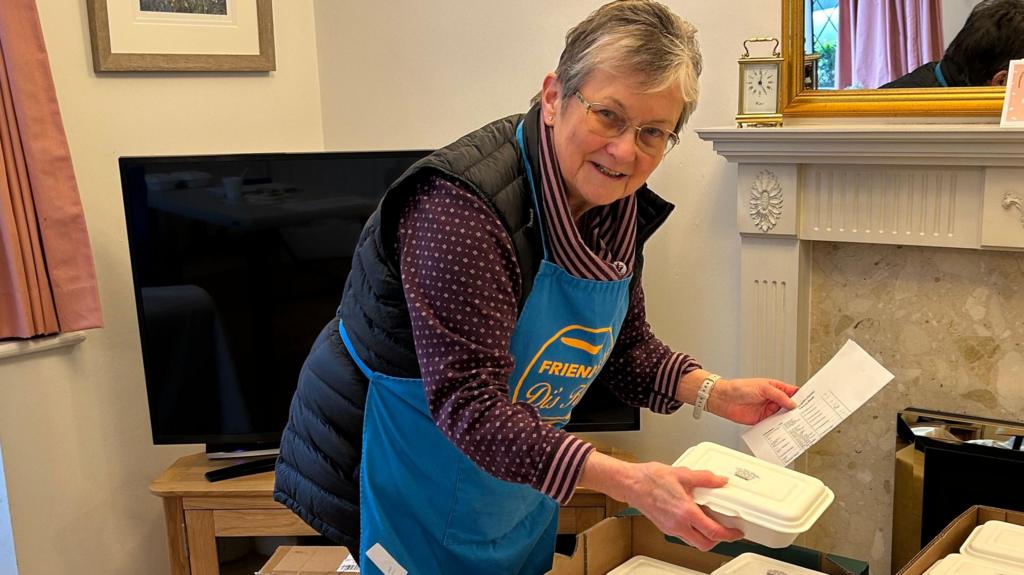
In the heart of Wolverhampton, a community initiative known as Friends of Di's Kitchen is facing a critical logistical challenge that could impact its ability to feed hundreds of vulnerable people each week. The organization, which operates as a nutritional and social lifeline for residents grappling with food insecurity, isolation, and poverty, urgently needs more volunteer drivers to sustain its delivery routes. Each week, the kitchen team meticulously prepares hundreds of hot, nutritious meals, but these would never reach their intended recipients without the network of volunteers who transport them door-to-door. The cost-of-living crisis, compounded by the lingering effects of the pandemic, has increased demand for these services, placing unprecedented strain on the city's volunteer infrastructure.
The model of Friends of Di's Kitchen is a testament to the power of local community action. Founded from a smaller community kitchen, the organization has grown to address a need that state social safety nets often fail to fully cover. They provide not only food but also a welfare check and a crucial human point of contact for the elderly, struggling families, and individuals recovering from illness or personal crises. The food parcels are often accompanied by a friendly conversation and a smile, elements equally vital in combating epidemic loneliness in urban areas. However, this delicate ecosystem of support relies almost entirely on the goodwill of local residents who donate their time, their vehicles, and their fuel.
The data reveals the scale of the operation and the gap that must be closed. According to the organization's coordinators, between 300 and 500 complete meals are prepared and packaged each week, depending on food donations and available funding. To deliver this volume, a minimum team of 15 to 20 drivers is required, each covering a specific route within Wolverhampton and its outskirts. Currently, the organization is operating with barely half that number, meaning existing drivers must double their routes or some deliveries are delayed. The typical volunteer driver profile is diverse, ranging from university students to active retirees, but all share a commitment to making a difference. The main requirement is having a validly insured vehicle, a current driver's license, and a few free hours per week.
"We are at a breaking point," admitted Sarah Jennings, a volunteer coordinator for Friends of Di's Kitchen. "The demand for our meals has never been higher. We get daily calls from social workers, health centres, and worried neighbours referring people who need help. Our kitchen is ready, our volunteer chefs are ready, but without the drivers, the food stays here. It's like having an ambulance with no driver. Every meal not delivered is a person who might not have dinner that night." Statements like these underscore the urgency of the situation. The organization is appealing not only to individuals but also to local businesses that might sponsor employees to dedicate work time to volunteering or donate funds to subsidize fuel costs.
The impact of this driver shortage extends beyond immediate hunger. For many beneficiaries, the delivery volunteer is the only regular human contact they have. The brief but consistent interaction allows for signs of deteriorating health, mental distress, or emerging needs to be spotted, thereby activating wider support networks. Furthermore, the service alleviates pressure on food banks and formal social services, which are often overstretched. The sustainability of this hyperlocal community care model is now at stake. If the volunteer gap is not filled, the organization could be forced to drastically cut the number of meals or suspend deliveries in certain areas, leaving dozens of households in a precarious situation.
In conclusion, the situation in Wolverhampton is a microcosm of a broader challenge facing many cities: maintaining the human infrastructure of compassion in times of increasing economic need. Friends of Di's Kitchen represents the kind of agile, community-based initiative that is essential to the social fabric. Its appeal for volunteer drivers is a reminder that, in the era of digital aid and bureaucratic solutions, the physical act of delivering a meal and offering a greeting remains irreplaceable. The success of its recruitment campaign will determine not only the flow of food but also the continued strength of community bonds in one of England's historic cities. The hope is that the call to action will resonate in the hearts of enough local residents to keep the wheels of this community kitchen, quite literally, in motion.