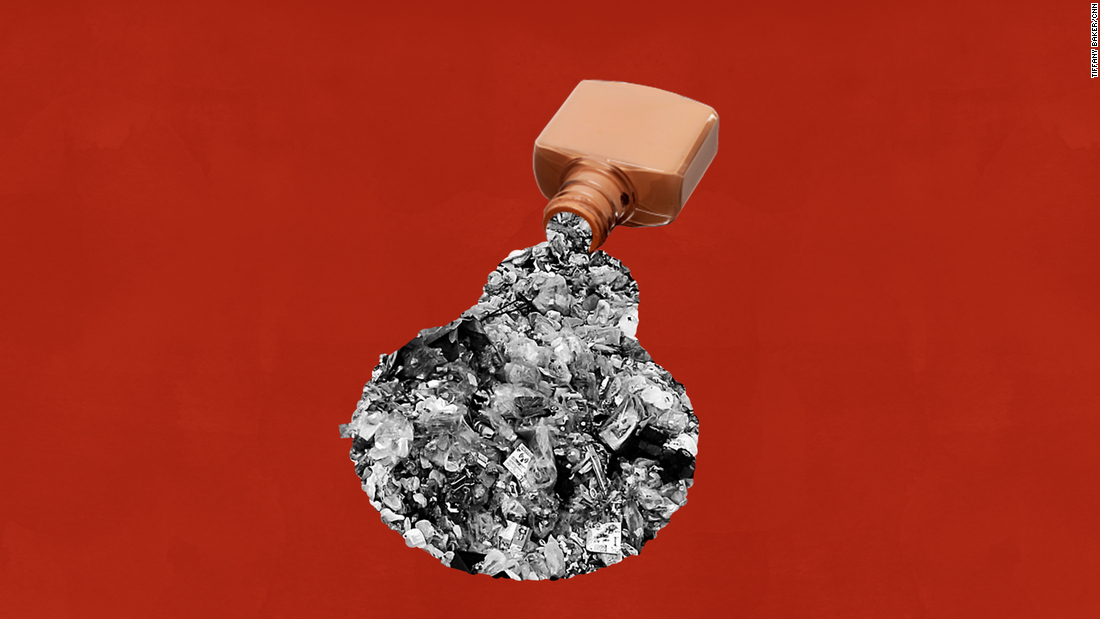
The global beauty industry, valued at over half a trillion dollars, stands at an environmental crossroads. As consumers, increasingly aware of the climate crisis, demand sustainable products, major corporations and cosmetic brands are struggling to meet their ambitious green promises. A detailed analysis reveals that these commitments often constitute a patchwork of disconnected initiatives, insufficient to address the magnitude of the sector's environmental impact, spanning from manufacturing and packaging to waste disposal.
The context is clear: beauty is a resource-intensive industry. Product manufacturing heavily relies on water, energy, and a complex supply chain of ingredients, many with a significant carbon footprint. Packaging, dominated by single-use plastic, generates millions of tons of annual waste that, at best, ends up in landfills and, at worst, in marine ecosystems. Add to this the issue of microplastics in exfoliating products and growing concerns about ingredient biodegradability. Despite the rhetoric of "clean," "natural," and "green," systemic transformation is moving at a glacial pace.
The data is revealing. The beauty sector is estimated to produce over 120 billion units of packaging annually, the vast majority of which is not recyclable in practice due to complex design (mixed materials, bottles with inseparable pumps). A recent report from a non-profit organization highlighted that less than 9% of all plastic ever produced has been recycled, a statistic the industry has failed to significantly reverse. Regarding emissions, while many companies have committed to "net-zero" targets for 2030 or 2050, their plans often rely on carbon offsets rather than deep reductions in their operations and value chain.
Statements from key players paint a picture of good intentions but fragmented execution. "We are committed to a more sustainable future," stated the CEO of a luxury conglomerate recently, "through our initiative to reduce virgin plastic by 50% by 2025." However, critics and environmental organizations point to a lack of transparency. "What we see is sophisticated greenwashing," declared a spokesperson for an environmental justice coalition. "Brands highlight a recycled bottle but ignore the deforestation linked to their palm oil supply chain or the excessive water consumption in production. It's a patch, not a comprehensive solution."
The impact of this shortfall is multifaceted. First, it erodes consumer trust, as they face a maze of confusing eco-labels and claims. Second, it perpetuates tangible environmental harm: plastic pollution, biodiversity loss from overharvesting ingredients, and contribution to climate change. Finally, it creates a growing reputational and regulatory risk for companies, as governments, particularly in the European Union, begin legislating on packaging and green claims.
In conclusion, the beauty industry is at a critical juncture. Its green ambitions, while well-intentioned in some cases, are largely insufficient and poorly coordinated. To move from a patchwork of fixes to genuine transformation, the sector needs to radically embrace the circular economy: redesign products and packaging from conception to be reusable, refillable, or compostable; demand absolute transparency in supply chains; and invest in innovation that decouples growth from the consumption of finite resources. The future of the industry, and its social license to operate, will depend on its ability to close the gap between green discourse and ecological reality—a challenge it is currently failing to meet.