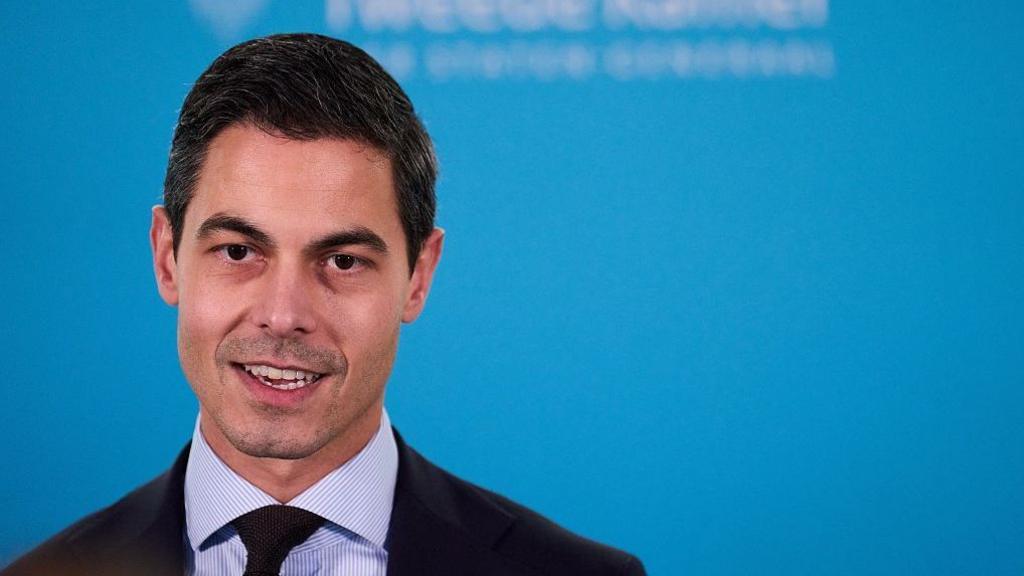
In a historic milestone reflecting a generational shift in European politics, 36-year-old Rob Jetten has been formally appointed as the Prime Minister of the Netherlands. This appointment, confirmed by King Willem-Alexander following complex coalition negotiations, makes Jetten the youngest head of government since the founding of the Kingdom of the Netherlands in 1815. His rise marks a significant turning point, not only due to his age but also because of his political profile as leader of the social-liberal D66 party, known for its progressive stances on climate, technology, and social issues.
The context of this appointment stems from the general elections held several months ago, which resulted in a fragmented parliament without a clear majority. After a prolonged period of negotiations, the D66, VVD (Liberals), and a new center-right alliance managed to form a coalition government, with Jetten emerging as the consensus figure to lead it. This process underscores the growing volatility of the Dutch political landscape, where traditional parties have seen their support erode in favor of more niche formations and leaders with concrete proposals.
Rob Jetten, a politician who began his career as a member of parliament in 2017 and previously served as Minister for Climate and Energy, has centered his discourse on the green transition and digital modernization. During his ministerial term, he was a key architect of the ambitious Dutch climate plan, which aims to reduce CO2 emissions by 55% by 2030. "This is not just a change of person; it is a confirmation of the direction voters asked for: pragmatism, bold climate action, and a government that looks to the future," Jetten stated in his first speech after the designation. His style, described as direct and solution-oriented, contrasts with that of his predecessors.
The impact of his leadership is anticipated both nationally and internationally. Domestically, he will need to navigate a coalition with divergent views on fiscal and immigration issues while pushing his climate agenda. His youth is seen as an asset for connecting with a younger generation concerned about housing, student debt, and sustainability. On the European stage, Jetten aligns with a new wave of relatively young leaders, such as German Chancellor Olaf Scholz and Estonian Prime Minister Kaja Kallas, potentially strengthening the progressive bloc within the EU. However, analysts warn that his lack of experience in international crises will be a testing ground.
In conclusion, the appointment of Rob Jetten symbolizes a profound transformation in Dutch democracy. It breaks with the tradition of prime ministers coming from long careers in public administration or the legal world, opting instead for a technocratic profile with a clear generational mandate. His success will depend on his ability to unite a sometimes-polarized society and deliver on ambitious promises in an uncertain economic context. If he can balance the coalition and maintain public trust, he could set a lasting precedent for political leadership in Europe, demonstrating that youth and fresh ideas can be the answer to the complex challenges of the 21st century.