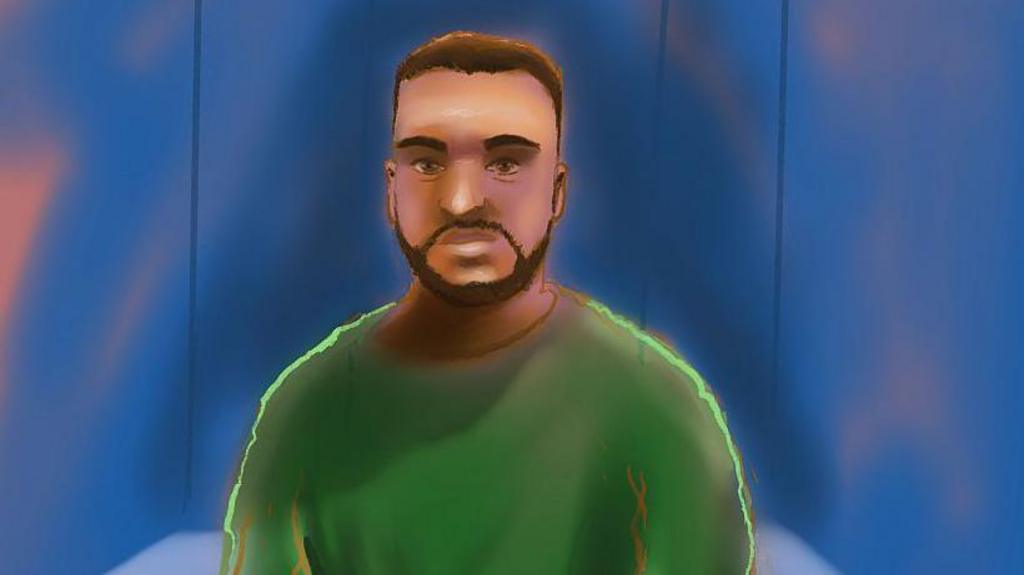
The man accused of perpetrating the deadly knife attack at the Westfield Bondi Junction shopping centre in Sydney has launched legal proceedings to prevent the publication of the names and identifying details of his close family members. The application, filed in the Supreme Court of New South Wales, seeks a permanent suppression order, arguing that revealing this information could cause "extreme" and unjustified harm to his relatives, who are not charged with any crime. This legal move comes amid intense public and media scrutiny of the attack, which shocked Australia and the world.
The context of the case is profoundly tragic. The attack, which occurred in April 2024, resulted in the deaths of six people and left several others injured, including a mother and her nine-month-old baby. Police identified the alleged perpetrator as a 40-year-old man, known to mental health services, who was shot dead by a police officer at the scene. Since then, investigations have sought to reconstruct the individual's motives and history, a process that inevitably drags his family circle into the public eye. In Australia, suppression laws are used by courts to balance the right to a fair trial, the safety of individuals, and the public interest in transparency.
Relevant data indicates that applications to suppress the identity of family members in high-notoriety cases are uncommon but not without precedent. Media lawyers note that courts are generally reluctant to grant broad orders that restrict press freedom unless a clear risk of serious physical or psychological harm is demonstrated. In this instance, the defence alleges that the family, which includes the accused's parents and siblings, is already suffering significant trauma and that additional publicity would make them targets for harassment and violence. No details have been presented about the family's exact composition or place of residence.
Statements from legal representatives have been scarce outside court documents. A spokesperson for the firm representing the accused stated that "the focus must remain on the judicial facts and not on innocent individuals who are dealing with indescribable loss and confusion." On the other hand, victim groups and some legal experts have expressed concern. "While we have sympathy for any innocent family members, the public interest in understanding the full context of such a horrific event is overwhelming," declared a spokesperson for a violence victim support group. "This includes understanding the family environment, without resorting to harassment."
The impact of this application is multifaceted. For the justice system, it tests the limits of privacy versus press freedom in the digital age, where information can go globally viral in seconds. For media organisations, it creates operational uncertainty about what can be reported as the case proceeds. For the public, it fuels debate about the extent to which families of notorious crime perpetrators should be held accountable or protected. Psychologically, the order, if granted, could offer a crucial refuge for the family, but it could also generate suspicion and conspiracy theories by withholding information.
In conclusion, the alleged Bondi gunman's application to suppress his family's identity represents a crucial conflict point between the right to privacy, the protection of innocents, and the principle of public transparency in a case of enormous national significance. The Supreme Court's decision, expected in the coming weeks, will set an important precedent for the media handling of future tragedies in Australia. Regardless of the outcome, the case underscores the complex and painful ripple effects that a mass violence act creates, extending trauma far beyond the direct victims and the perpetrator himself, enveloping entire families in a whirlwind of grief and public scrutiny from which it may be impossible to escape.